Краткое изложение: A двухъярусный станок (also called a двухъярусный станок или двухпрофильный станок) combines two forming stations on a single frame, letting you switch between two profiles without buying a second line. Manufacturers worldwide are adopting this technology to cut capital cost by 30–50% and floor space by 40% compared to owning two separate lines. Read on to discover whether a double layer roll former is right for your factory. For the full process background, see our комплексном анализе технологии профилегибочных станов.
What Is a Double Layer Machine?
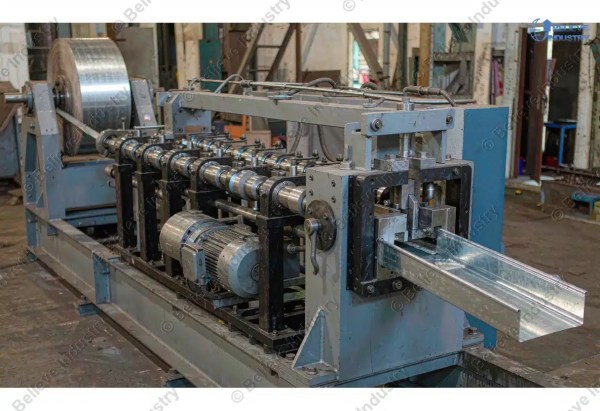
A двухъярусный станок is a type of профилегибочная машина that stacks two sets of forming stations — each capable of producing a completely different metal profile — onto a single base frame. The operator selects which layer runs via a PLC touchscreen, and the strip travels through one set of rollers while the other stands idle.
Unlike a кассетная мельница that swaps modular tooling packs, a двухъярусный станок keeps both tooling sets permanently mounted. Profile switching takes less than 5 minutes — simply adjust the material path and press a button.
Double layer machines are commonly used to produce:
- Roofing sheets (e.g., corrugated + IBR, or R-panel + trapezoidal)
- Wall panels (flat + ribbed)
- Decking profiles (B-deck + W-deck)
Double Layer Machine by the Numbers
| Спецификация | Типичный диапазон |
|---|---|
| Толщина материала | 0,3 мм – 1,2 мм |
| Скорость производства | 8 – 25 m/min per layer |
| Forming stations per layer | 16 – 28stations |
| время смены профиля | 3 – 8 minutes |
| Footprint saving vs. 2 separate lines | 35 – 50% |
| Capital cost saving vs. 2 separate lines | 30 – 45% |
| Material yield (steel/aluminium/PPGI) | 0.3 – 1.5 mm |
| Typical machine weight | 4,000 – 12,000 kg |
| система управления | Siemens / Delta PLC + HMI |
| Cutting method | Hydraulic post-cut or servo flying shear |
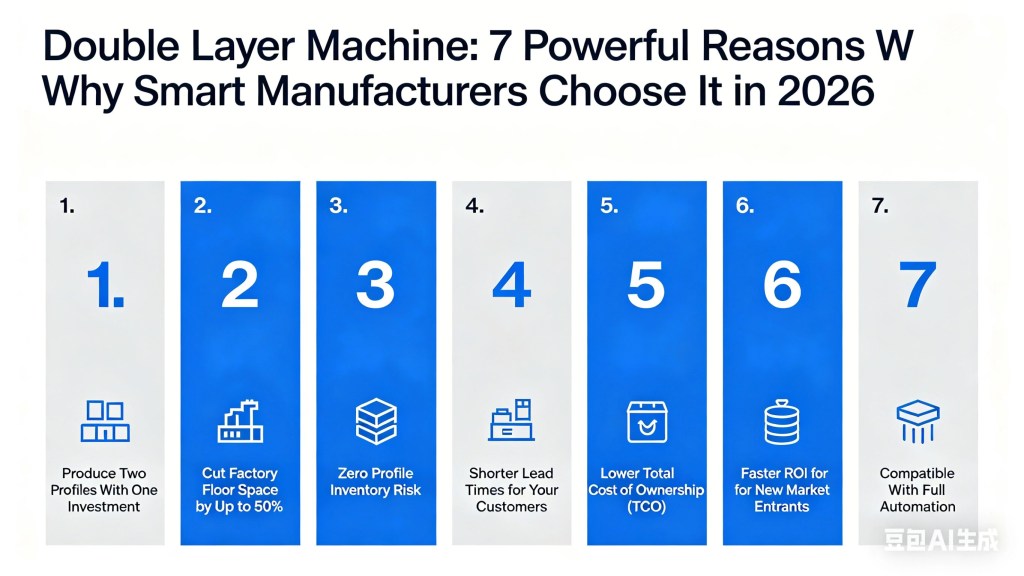
Why Manufacturers Choose a Double Layer Machine: 7 Proven Reasons
1. Два профиля за одну инвестицию
Самая веская причина, по которой покупатели выбирают двухъярусный станок — это экономика. Вместо покупки и обслуживания двух отдельных профилегибочных линий один двухъярусный станок обеспечивает такую же гибкость производства примерно за 55–70% от совокупной стоимости.
Средний производитель кровельных материалов в Южной Африке сообщил об экономии USD 35,000 капитальных вложений, выбрав двухпрофильный станок вместо двух одиночных линий, сохраняя при этом возможность обслуживать сегменты гофрированной и IBR продукции одновременно.
2. Сократите площадь цеха до 50%
Площадь цеха дорогая. Стандартная однопрофильная профилегибочная линия обычно занимает 30–50 погонных метров производственной площади, включая разматыватель и укладчик. двухъярусный станок который заменяет две такие линии, занимает всего 32–55 погонных метров всего — примерно такую же площадь, как одна линия.
Для производителей, работающих в промышленных парках с ограниченной арендуемой площадью, это часто определяющий фактор. В компании Believe Industry Company наши стандартные двухъярусные станки спроектированы с компактной тандемной рамой для максимизации этой выгоды.
3. Нулевой риск запасов профилей
Сезонные колебания спроса означают, что производители кровельных листов часто должны переключаться с одного профиля на другой в течение одной производственной недели. двухъярусный станок устраняет необходимость хранить, перевозить или перенастраивать отдельные наборы оснастки. Оба профиля всегда готовы — станку никогда не нужно останавливаться для крупной смены оснастки.
Эта возможность напрямую поддерживает Роликовая формовка в больших объёмах стратегии, зависящие от гибкого и быстрого производственного планирования.
4. Сокращённые сроки поставки для ваших клиентов
Отзывчивость к рынку — это конкурентное преимущество. Поскольку двухъярусный станок держит оба профиля наготове, заказ на профиль A или профиль B может поступить в производство за минуты, а не дни. Дистрибьюторы и кровельщики — особенно на рынках США, Австралии и Африки — всё чаще требуют поставок точно в срок, которые может обеспечить только двухъярусная конфигурация.
5. Ниже совокупная стоимость владения (TCO)
Лаборатория скрытые расходы на профилегибочное оборудование быстро нарастают: два бюджета на обслуживание, два набора запасных роликов, две электрические панели управления, две гидравлические системы. двухпрофильный станок объединяет всё это в один актив, резко снижая TCO за 10-летний жизненный цикл станка.
Оценка сравнения TCO за 10 лет (USD):
| Категория затрат | 2 × однопрофильные линии | 1 × двухъярусный станок |
|---|---|---|
| Капитальное оборудование | $90,000 | $70,000 |
| Запасные комплекты роликов | $30,000 | $30,000 |
| Трудозатраты на обслуживание | $5,000 | $3,000 |
| Электрические модернизации | $6,000 | $3,000 |
| Итого (оценочно) | $131,000 | $100,600 |
Источник: внутренние данные Bel Rollforming, 2025. Значения ориентировочные и зависят от сложности профиля.
6. Быстрая окупаемость для новых участников рынка
Если вы впервые выходите в бизнес профилегибки — или расширяетесь в новую категорию продукции — двухъярусный станок — один из самых быстрых путей к окупаемости. Вы можете одновременно тестировать спрос на два разных профиля, динамически распределять производственные мощности и достичь безубыточности с меньшими начальными вложениями.
Преимущества профилегибочной машины хорошо задокументированы: стабильная точность размеров, минимальные отходы материала и высокая повторяемость. двухъярусный станок усиливает эти преимущества в двух линиях продукции с первого дня.
7. Совместимость с полной автоматизацией
Современные double layer machines компании Believe Industry Company бесшовно интегрируются с автоматическими разматывателями, сервоприводными летучими ножницами и системами автоукладки. Система управления PLC управляет выбором траектории материала, длиной резки и подсчётом партий для обоих слоёв с одного экрана HMI.
Это делает двухпрофильный станок естественным выбором для автоматизация профилирования и производственных сред Industry 4.0, где планирование на основе данных и удалённый мониторинг — стандартные ожидания.
Double Layer Machine vs. Single Profile Machine vs. Cassette Mill: Full Comparison
This is the most important decision a buyer faces. The table below gives you a factual, side-by-side view across 14 dimensions.
| Характеристика | Double Layer Machine | Single Profile Machine | Cassette Mill |
|---|---|---|---|
| Количество профилей | 2 (фиксированный) | 1 | 2–8+ (interchangeable) |
| время смены профиля | 3–8 minutes | N/A | 15–45 minutes |
| Capital cost (relative) | Средний | Низкий | Высокий |
| Floor space required | Средний | Низкий | Низкая–средняя |
| инвестиции в оборудование | 2 × dedicated sets (built-in) | 1 × dedicated set | Multiple cassette modules |
| Скорость производства | 8–25 m/min | 8–25 m/min | 8-25 м/мин |
| Material thickness range | 0,3–1,2 мм | 0.2–6 mm+ | 0.3–3 mm |
| Сложность профиля | Низкая–средняя | Low–Very High | Средний–высокий |
| Operator skill required | Низкий | Низкий | Средний–высокий |
| Сложность технического обслуживания | Средний | Низкий | Высокий |
| Стоимость запасных частей | Средний | Низкий | Высокий |
| Лучше всего подходит для | 2 related profiles, roofing sheets, panels | Single dedicated high-volume profile | Frequent multi-profile switching |
| Scalability | Limited to 2 profiles | Add second machine | Add cassette modules |
| ROI timeline | Fast (12–24 months typical) | Fast | Slower (high initial cost) |
Краткое содержание: A двухъярусный станок is the optimal choice when you need exactly two profiles, want to minimize capital investment, and prioritize fast changeover over ultimate flexibility. A cassette mill is better when you need to produce five or more profiles regularly. A single profile machine wins only when you need one profile at extremely high speed or material thickness.
Who Should Buy a Double Layer Machine?
Ideal buyers include:
- Roofing sheet manufacturers targeting 2 popular local profiles (e.g., corrugated + IBR in Africa; R-panel + AG panel in the USA)
- Wall and ceiling panel producers with paired product lines
- Custom roll forming machine buyers entering the market with limited capital
- Decking manufacturers producing composite floor deck and roof deck
- Distributors who manufacture to order for multiple client specifications
A double layer machine is NOT recommended when:
- You need material thickness above 1.5 mm (single profile or cassette mill performs better)
- You produce more than 3 different profiles regularly
- Maximum production speed is the top priority
How a Double Layer Machine Works: Step-by-Step
- Coil Loading — Steel, aluminum, or PPGI coil is loaded onto the разматыватель. Typical coil weight: 3–8 tonnes.
- Выравнивание (Optinial and normally no need)— Strip passes through an integrated выравнивающая машина (5–7 rollers) to remove coil set and ensure flatness.
- Pre-punching (optional) — A servo перфорационный блок adds holes or slots before forming, if required by the profile.
- Layer Selection — The operator selects Layer 1 or Layer 2 via the PLC touchscreen. A manual or automatic guide directs the strip into the selected forming pass.
- Роликовая формовка — The strip passes through 12–22 roll forming stations, each progressively bending the metal until the target profile is achieved.
- Резка — A hydraulic post-cut die or Сервоприводные летучие ножницы cuts the profile to the programmed length.
- Stacking/Collection — Finished panels are collected on a run-out table or automated stacker.
The entire process from coil to finished profile is continuous and fully automated. No operator intervention is required between pieces once the batch is running.
Double Layer Machine for Roofing: The Most Popular Application
Roofing is the dominant market for double layer machines globally. In markets where both corrugated and trapezoidal/IBR profiles are in demand — particularly Sub-Saharan Africa, Southeast Asia, and Latin America — a двухъярусный станок is the standard configuration for new factory setups.
Popular roofing profile combinations for double layer machines:
| Layer 1 | Layer 2 | Основной рынок |
|---|---|---|
| Corrugated 762 | ИБР / Superdek | Africa, South Asia |
| R-Panel | Панель AG | USA, Americas |
| Trapezoidal 1000 | Corrugated 762 | Southeast Asia, Middle East |
| Standing seam | Гофрированный | Europe, Australia |
| B-deck | W-Deck | USA Commercial Construction |
Believe Industry Company: Double Layer Machine Specifications
Believe Industry Company (Wuxi, China) has manufactured and exported double layer machines to more than 40 countries since 2005. Key standard specifications:
| Параметр | Спецификация |
|---|---|
| Frame material | 350–400 mm H-beam welded steel |
| Материал ролика | Подшипниковая сталь GCr15, твердость по Роквеллу 58–62. |
| Диаметр вала | 70–90 mm, 40Cr heat-treated steel |
| Drive system | Geared motor + chain or direct drive |
| Контроль | Siemens S7-1200 PLC + 7″ HMI |
| Резка | Hydraulic post-cut (standard) or servo flying shear (optional) |
| Layer changeover | Manual guide bar + PLC switch |
| Length tolerance | ± 1.5 mm |
| СЕ / ИСО | ISO 9001:2015 certified; CE available |
| Время выполнения | 45–75 days ex-works Wuxi |
| Гарантия | 12 months parts and labour |
View more>> Двухслойная профилегибочная машина
Video: Double Layer Machine in Action
Watch our double layer machine producing corrugated and R/PBR Panel profiles back-to-back at our Wuxi facility. The video demonstrates production process and the automated stacking system in operation.
Related Machines and Resources
If you are evaluating a двухъярусный станок, these related Believe Industry resources will help you make a fully informed decision:
- Roll Forming Machine — Complete Overview
- Custom Roll Forming Machine — Global Market Guide 2026
- Roll Forming Machine Price — 7 Best 2026 Secrets
- Преимущества профилегибочной машины
- Quick Change Roll Forming Machine (Cassette Mill)
- Высокообъемное профилирование
- компоненты профилегибочного стана
- Roll Forming Tooling
- How to Buy a Roll Forming Machine — 2026 Buyer’s Guide
- Top Roll Forming Machine Manufacturers in China
External authority references:
- The Fabricator — Roll Forming Design Principles — Industry standard reference for roll forming engineers and buyers
- Metal Construction News — Roofing & Cladding Profiles — US market data on popular panel profiles
- AISI — Steel Framing Standards — American Iron and Steel Institute design standards
- Журнал по профилированию рулонов — Dedicated trade publication for the roll forming industry
- ISO 9001:2015 Quality Management — Certification standard followed by Believe Industry Company
Frequently Asked Questions: Double Layer Machine
A двухъярусный станок is a roll forming line that houses two complete sets of forming stations on a single welded steel frame. Each set of rollers is tooled to produce a specific metal profile. The operator selects which profile to run via a PLC control system, and the coil strip is guided into the corresponding forming pass. The result is two production-ready profiles from one machine, one decoiler, and one operator.
The terms двухъярусный станок, двухъярусный станок, и двухпрофильный станок all refer to the same equipment type. They are used interchangeably in the roll forming industry. Some manufacturers may use “dual layer” to emphasize the two-layer stacked frame design, while “double profile” highlights the output capability. There is no functional or technical difference between these names.
No. A двухъярусный станок produces one profile at a time. The two forming stations share a single feed path, decoiler, and cutter. Simultaneous dual-profile production would require two independent material feeds and two cutting systems, which is not the standard configuration. The advantage is fast switching (3–8 minutes), not simultaneous output.
Production speed depends on the profile geometry, material thickness, and cutting method. For typical roofing sheet profiles (corrugated or trapezoidal), a двухъярусный станок пробегает 10–20 m/min. With a servo flying shear, speeds up to 25 m/min are achievable. Note that cutting-to-length operations are the primary speed limiter on shorter panel sizes.
Most double profile machines are designed for:
- Pre-painted galvanized steel (PPGI) — the most common
- Оцинкованная сталь (GI)
- Colour-coated aluminium
- Bare cold-rolled steel (CRS)
- Stainless steel (with upgraded roller hardness)
Standard material thickness range is 0.3 mm to 1.2 mm. For thicker materials (above 1.5 mm), a single-profile machine with heavier shaft and bearing specifications is recommended.
Profile changeover on a двухъярусный станок takes 3 to 8 minutes in normal operation. The process involves:
- Stopping the machine and cutting off the current strip
- Threading the new coil (or re-threading the same coil) into the second forming pass
- Selecting the new profile on the PLC HMI
- Running a test panel to confirm length and profile accuracy
This compares favourably to a cassette mill (15–45 minutes per change) and is far faster than re-tooling a single-profile machine (4–24 hours).
Yes — a двухъярусный станок costs more than a single-profile machine for the same profile complexity, because it includes two full sets of tooling and a more complex frame. However, it costs 30–45% less than purchasing two separate single-profile machines. The price differential depends on profile complexity, forming station count, and automation level. Contact Believe Industry Company for a detailed quotation based on your specific profile requirements.
| Double Layer Machine | Cassette Mill | |
|---|---|---|
| Tooling storage | Both sets permanently mounted | Removable cassette modules |
| Количество профилей | Exactly 2 | 2 to 8+ |
| Changeover time | 3–8 minutes | 15–45 minutes |
| Capital cost | Средний | Высокий |
| Лучше всего подходит для | 2 fixed profiles | Multi-profile flexibility |
A кассетная мельница (also called a профилегибочный станок с быстрой сменой оснастки) is the better choice when you need to switch among three or more profiles regularly. The двухъярусный станок wins on price, simplicity, and speed for exactly two profiles.
No special foundation is required beyond what a standard roll forming line needs. The machine is mounted on a standard level concrete floor (minimum 200 mm thickness, 25 MPa compressive strength). Anchor bolts are recommended for machines above 6,000 kg. For detailed civil drawings, Believe Industry Company provides foundation layout documentation with every machine order.
Yes, this is one of the key design considerations. Most double profile machines are engineered to use the same coil width for both profiles, simplifying inventory management and decoiler setup. Where coil widths differ between the two profiles, an adjustable decoiler with edge guide is recommended. Believe Industry Company engineers your dual layer machine around your specific coil width requirements.
Belie Rollforming provides the following post-sale support for all double layer machines:
- 12-month parts warranty from date of commissioning
- Remote commissioning support via video call (standard)
- On-site installation and commissioning available in most countries (see Roll Forming Machine Installation)
- Spare parts supply via DHL/FedEx within 3–5 business days
- Обучение операторов — on-site or remote, included in machine price
- PLC program backup — provided on USB with every machine
Ask yourself these four questions:
- Do you regularly produce (or plan to produce) exactly two different profiles?
- Is your target material thickness 1.2 mm or less?
- Is capital investment a primary constraint?
- Do you need fast changeover (under 10 minutes)?
If you answered yes to three or more of these, a двухъярусный станок is very likely your best option. If your profiles require thicker steel, or you need more than two profiles, contact Believe Industry Company to explore cassette mill or multiple single-profile line configurations.
Conclusion: Is a Double Layer Machine Worth It in 2026?
For the right buyer — a roofing sheet manufacturer, wall panel producer, or roll forming entrepreneur entering a dual-profile market — the answer is a clear yes. A двухъярусный станок delivers:
- 30–45% lower capital cost than two separate lines
- Up to 50% floor space saving
- 3–8 minute profile switching without major changeover
- Single maintenance budget and simplified spare parts inventory
- Full automation compatibility with modern PLC, servo, and IoT systems
Лаборатория двухъярусный станок is not the right tool for every application. If you need to produce 5 profiles, process material above 1.5 mm, or run at speeds above 30 m/min, a different configuration will serve you better. But for focused, two-profile production — especially in the roofing, wall panel, and decking segments — the двухпрофильный станок from Believe Industry Company represents one of the highest-ROI equipment investments available in 2026.
Ready to get a price? Contact Believe Industry Company via the Запросить расценки page. Our engineering team will respond within 24 hours with a detailed proposal based on your specific profile requirements, material specifications, and production targets.
Список изменений
| Версия | Дата | Примечания |
|---|---|---|
| 1.0 | 2026-05-04 | Initial publish |
| — | 2026-08-04 | Запланированная дата проверки |