Introduction
Selecting the correct structural steel purlin is the foundation of any durable, cost-efficient steel building project. The critical decision almost always involves the comparison: C Purlin VS Z Purlin. While these two cold-formed steel sections appear similar, they are engineered for distinct applications—and choosing the wrong one can lead to material waste, installation headaches, and compromised structural integrity.
As a trusted manufacturer and exporter of roll forming machines in China, Beli RollForming has partnered with thousands of clients globally to navigate this choice and optimize their production. This comprehensive guide details the Top 5 Differences between C and Z purlins, empowering you to select the ideal component for your needs and demonstrating how Beli supports your entire purlin manufacturing process.
What Are C Purlins and Z Purlins in Steel Construction?
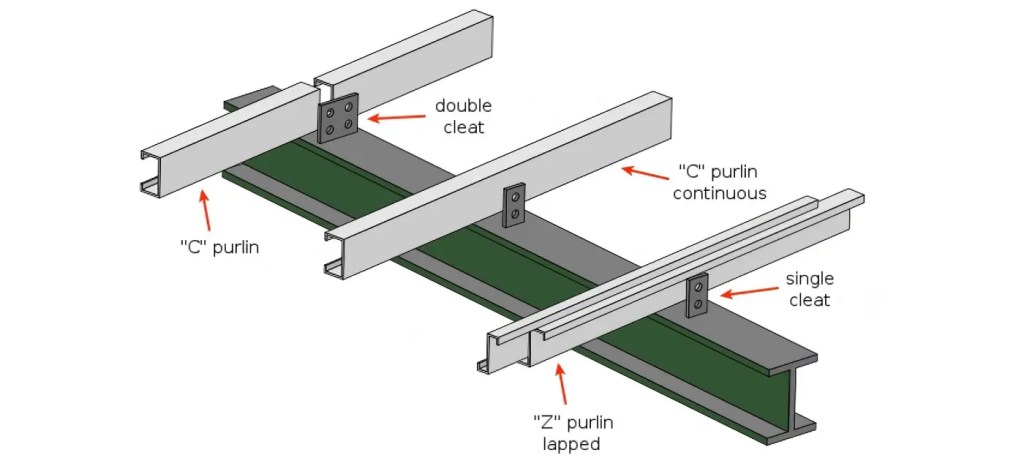
Purlins are the horizontal roof support beams that run perpendicular to rafters or trusses, essential for distributing roof load and providing a stable base for roofing sheets. The two most widely used shapes are C and Z purlins—both produced from cold-rolled steel but featuring crucial design variations that affect their performance:
C Purlin (The Symmetrical Profile): A “C” cross-section with a flat back, best suited for light commercial and residential steel buildings where simplicity and standalone support are required.
Z Purlin (The Overlapping Profile): A “Z” cross-section engineered for long spans and superior load capacity, as its unique shape allows for continuous overlapping, making it the preferred choice for industrial warehouses and large-scale structures.
🔑 Key Differences Between C Purlin VS Z Purlin
Understanding these distinctions will help your clients avoid costly mistakes in material specification and site planning. We break down the top 5 factors:
1. How Do the Shapes Affect Installation and Design?
As their names suggest, C purlins have a symmetrical profile suitable for simple, bolted end-to-end attachment. Z purlins, however, feature an asymmetrical, angular design. This “Z” shape is specifically engineered for its unique interlocking and overlapping capability, which is essential for creating continuous beam systems over long spans—a capability C purlins lack due to their flat profile.
2. Which Purlin Has the Better Load-Bearing Capacity?
Z purlins win here. Their ability to overlap distributes weight more uniformly across multiple supports, allowing them to support 20-30% heavier loads than C purlins of similar dimensions and material thickness. C purlins are best suited for light to moderate roof loads, such as those found in residential or small commercial structures.
3. Can C Purlins Be Overlapped Like Z Purlins?
No. C purlins can only be attached end-to-end, which limits structural continuity and deflection control. Z purlins, conversely, can be overlapped (or “lapped”) by up to 50% of their length. This overlap creates a continuous load path, significantly improving resistance to strong winds and vertical deflection, making them critical for high-wind or seismic zones.
4. Which Purlin Is Cheaper: C Purlin VS Z Purlin?
C purlins are generally cheaper upfront. They require less material per unit and have a simpler manufacturing process. Z purlins cost more initially, but they often lead to long-term savings on large projects because their superior strength and overlapping design reduce the total number of support columns or beams needed across a structure.
5. Is Installation Easier for C Purlins or Z Purlins?
C purlins are faster to install for small, simple projects because their uniform shape requires fewer planning adjustments. Z purlins require more careful planning (to ensure overlaps align) but ultimately save time and labor on large sites by reducing the total number of purlins and connections required due to their increased spanning ability.
💡 Pro Tip: For more on steel purlin design standards, check out the World Steel Association’s guide on cold-formed steel sections↗
🏠 Applications of C Purlins VS Z Purlins: Choosing by Project Type
Selecting the correct purlin often depends on the specific demands of your building type, load requirements, and local environment.
C Purlin Applications: Ideal for Light Loads and Residential Structures
C Purlins excel where simplicity, symmetry, and light to moderate loads are the standard. They are often the most cost-effective solution for:
Residential Steel Homes and small garages.
Agricultural Buildings (e.g., barns, sheds, and livestock shelters).
Small Warehouses or storage units requiring basic roof support.
Retail Storefronts and light commercial buildings.
Z Purlin Applications: Essential for Heavy-Duty Industrial & Long Span Projects
Z Purlins are the structural choice for large-scale construction, prioritizing strength, continuous spanning, and resistance to environmental forces. They are critical for:
Industrial Warehouses and Factories requiring maximum load-bearing capacity.
Large Retail Centers (e.g., malls, big-box stores) with extensive roof areas.
Buildings located in High-Wind or Seismic Zones due to superior continuity.
Commercial Buildings utilizing heavy metal roofing systems.
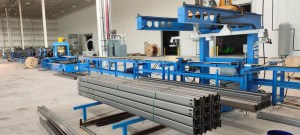
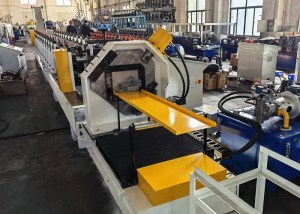
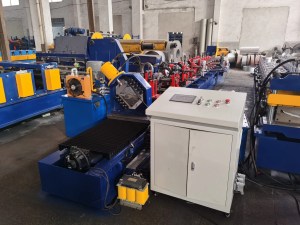
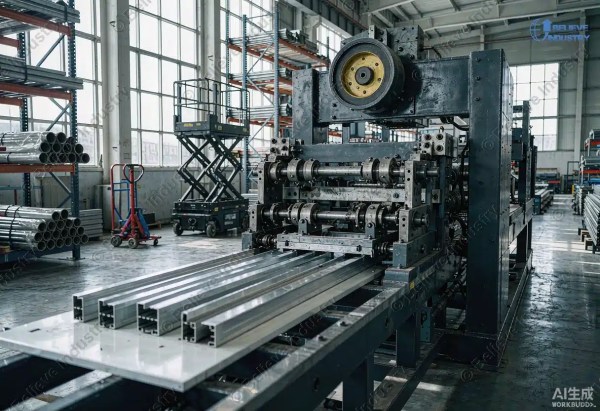
Beli RollForming Note: Our state-of-the-art purlin roll forming machines can produce both C and Z purlins tailored to these applications—whether you require thin-gauge purlins for residential builds or heavy-duty sections up to 2.0mm thick for industrial facilities. Learn about Beli’s Roll Forming Machines and Study What a Roll Forming Machine.
❓ 10 FAQs About C Purlin VS Z Purlin (Quick Answers)
Final Thoughts: C Purlin VS Z Purlin – Make the Right Investment
The choice between C purlin and Z purlin is a core structural decision that impacts the longevity and cost of your project. It’s not about which one is “superior,” but which one is perfect for the job. By understanding the critical differences in overlapping capability, load-bearing capacity, and application type, you are now equipped to avoid costly mistakes.
📞 Ready to Optimize Your Purlin Manufacturing?
Don’t guess on material or machine requirements. Partner with the experts who build the lines.
Contact Beli RollForming today for a free consultation and a detailed quote on a customized C/Z Purlin Roll Forming Machine.
We are ready to support your project from blueprint design to machine delivery and production start-up.