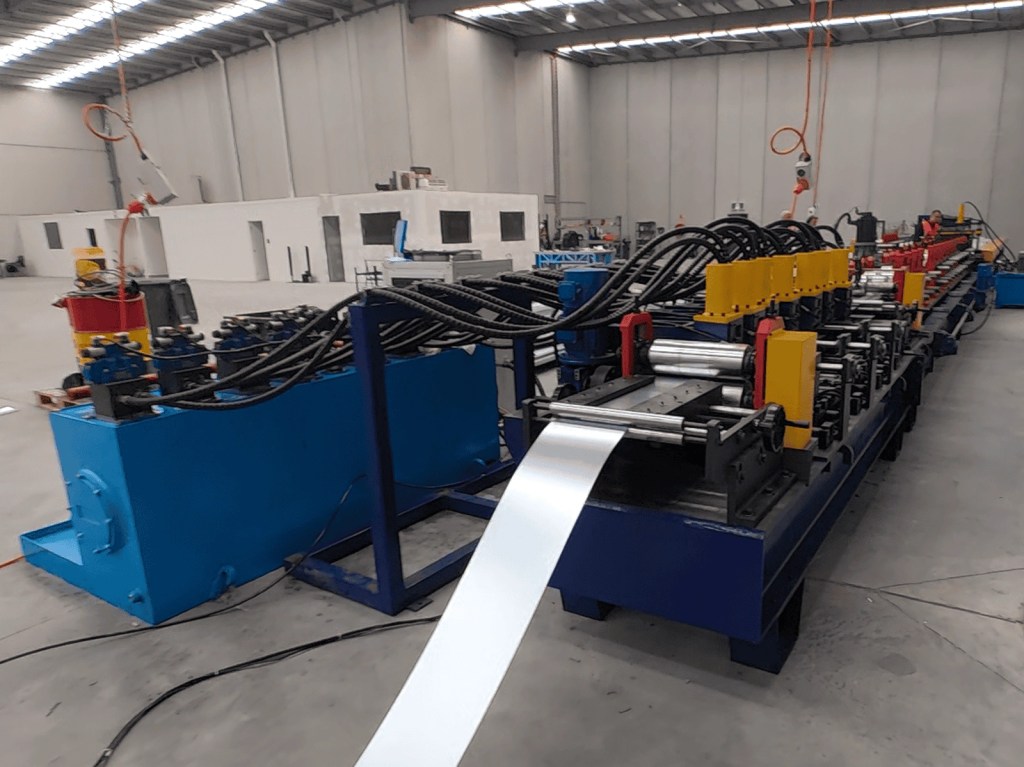
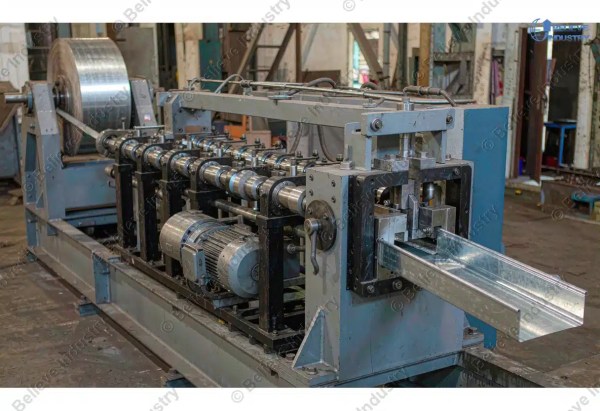
Australia’s construction industry demands precision, speed, and compliance. BoxSpan steel beams have become the go-to structural solution for residential and commercial flooring. If you manufacture steel framing products, a BoxSpan beam roll forming machine for Australia is a strategic investment.
This guide covers everything you need to know. We explain what BoxSpan beams are, why they matter in Australia, and which machine features deliver the best ROI.
What Is a BoxSpan Beam?
BoxSpan is a registered trademark of Spantec Systems Pty Ltd. BoxSpan is a light structural steel beam formed from two C-sections of high-tensile galvanized steel, mechanically locked together.
The result is a box-shaped beam that combines the strength of steel with the workability of timber. BoxSpan is lighter than comparable products by 40–60% and is fully termite-proof.
In Australia, BoxSpan beams are widely used for:
- Floor joists and bearers
- Roof framing and rafters
- Lintels above openings
- Deck and veranda structures
Australian builders and engineers can verify span tables and load ratings directly from the official BoxSpan residential span tables published by Spantec.
Because BoxSpan is made from galvanized steel, it does not rot, warp, or burn. This makes it ideal for Australia’s harsh climate conditions.
Why the Australian Market Needs BoxSpan Beam Roll Forming Machines
Australia’s building codes and climate create strong demand for steel framing systems. Here is why a BoxSpan beam roll forming machine for Australia makes commercial sense.
1. Termite Resistance Is Non-Negotiable
Eastern Australia has some of the world’s highest termite activity. Timber beams require chemical treatment. BoxSpan steel beams eliminate this problem entirely.
2. Bushfire-Prone Areas
Steel does not burn. In Bushfire Attack Level (BAL) zones, non-combustible materials are often mandatory. BoxSpan beams meet these requirements.
3. Precision and Speed
Australian builders value straight, true framing. Steel roll formed beams arrive on-site cut to exact lengths. No warping, no on-site adjustment.
4. Growing Modular Construction
Prefab and modular building is expanding in Australia. Roll formed steel beams fit perfectly into off-site manufacturing workflows.
If you want to explore more about the Australian roll forming market, read our dedicated guide on เครื่องขึ้นรูปม้วนในออสเตรเลีย for local insights and compliance requirements.
Believe Industry: 4 Key Equipment Advantages
Believe Industry Company designs and manufactures BoxSpan beam roll forming machines for Australia with four standout advantages that directly impact your production efficiency and profit margin.
Advantage 1: Automatic Width Adjustment (100–250 mm)
Traditional roll forming machines are fixed to a single profile width. Changing widths means stopping the line, adjusting rollers manually, and wasting valuable production time.
Believe Industry’s BoxSpan beam machine features automatic width adjustment from 100 mm to 250 mm. The operator sets the target width on the Siemens PLC touchscreen. All roll forming stands move simultaneously under PLC control. NSK ball bearings are used throughout for可靠 operation.
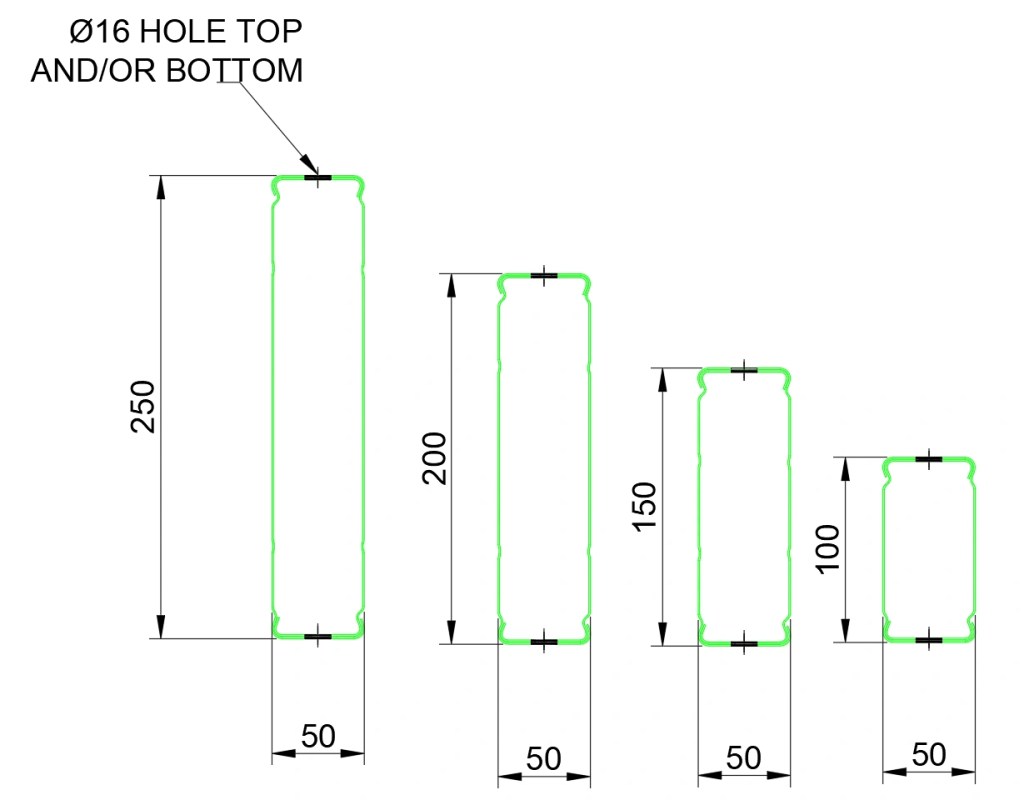
This matters because Australian suppliers often stock multiple BoxSpan sizes — B100, B150, B200, and B250. With one machine that covers the full range, you reduce capital expenditure and floor space.
You can learn more about our general เครื่องขึ้นรูปม้วน technology and how automatic adjustment fits into modern production lines.
Advantage 2: Dynamic Punching with CSV File Import
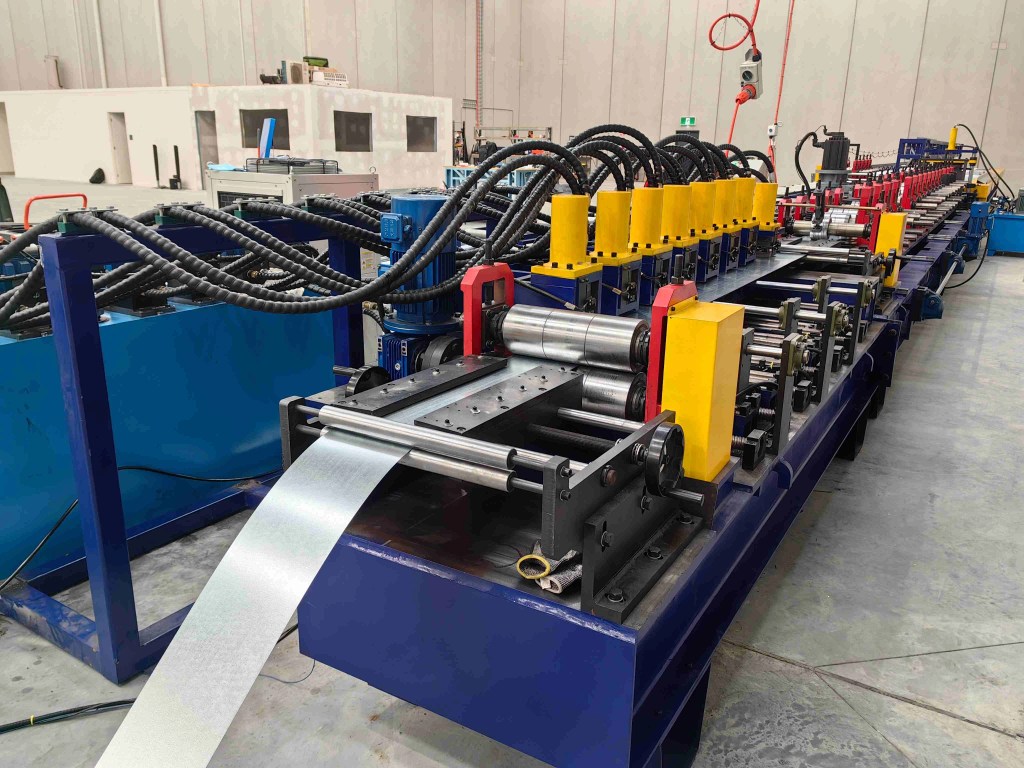
BoxSpan beams require holes for connectors, bolts, and alignment. Believe Industry’s boxspan beam roll forming machine accepts CSV file imports to define custom hole patterns — the same workflow that LGSF (Light Gauge Steel Framing) detailers already use.
The control system is able to import CSV files for both cutting and punching. The software divides each box beam into two C-profiles for roll forming, then seamlessly seams them together. The authoring software produces a CSV file that treats each beam as one line item. The machine then splits the CSV line into two lines and seams the correct channels into a box.
Here is how it works:
- The engineer creates the hole pattern in CAD or spreadsheet software.
- The file is exported as CSV.
- The operator uploads the CSV file to the industrial computer with touchscreen.
- Six sets of servo-driven punching devices dynamically punch holes at the specified positions. Five sets handle box beam holes. One set punches the identification hole for cutting reference.
This is a major upgrade over fixed-tool punching. Each project can have a different hole layout without stopping production to change dies.
For a deeper dive into punching technology in roll forming lines, see our guide on เครื่องปั๊มขึ้นรูปสำหรับอุตสาหกรรมการขึ้นรูปม้วน. We cover servo punching, die design, and integration strategies.

Advantage 3: Simultaneous Production of Different Lengths (1–12 m)
Australian projects vary in span requirements. A residential floor might need 3-metre bearers. A commercial deck might need 12-metre joists.
Believe Industry’s BoxSpan beam machine handles variable lengths from 1 metre to 12 metres in a single production run. The multi-function hydraulic cutting device cuts each piece to its specified length while the line continues running.
This means you can fulfill a mixed order — say, 50 pieces at 3.6 m and 30 pieces at 5.4 m — without stopping the machine between batches.
The continuous operation is made possible by our advanced การดำเนินการขั้นที่สองในสายการขึ้นรูปม้วน design, where inline cutting and punching happen without interrupting material flow.
Advantage 4: Automatic Seaming with Bite and Dimple, High Load Capacity
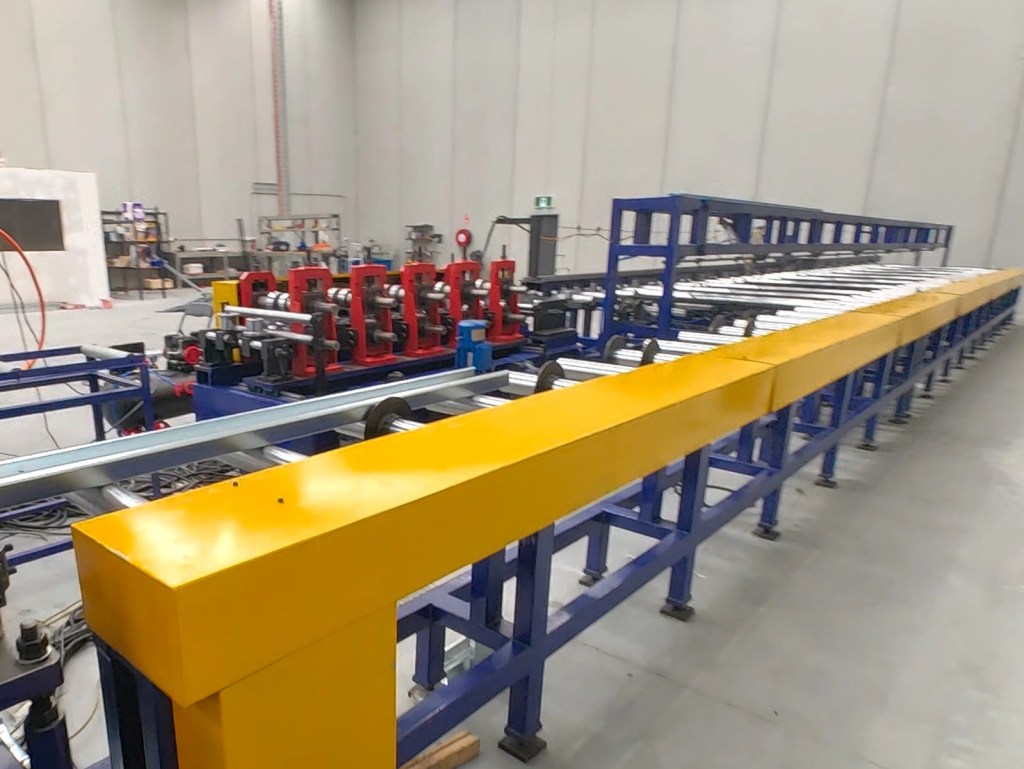
BoxSpan beams are formed by mechanically locking two C-sections together. Believe Industry’s boxspan beam roll former machine automates this process with a dedicated automatic seaming machine featuring 5 stands with GCr15 rollers (HRC 58–62).
The dimple joints create a high-load mechanical connection between the two C-sections. This eliminates the need for continuous welding along the beam length. The result is a beam that meets structural load requirements while keeping production speed at 4–6 m/min.
The transfer and overturn rack (12 metres long) conveys, overturns, aligns, and drives the beams into the seaming machine. Overturn and push actions are pneumatic-powered. The negative-direction transfer reduces total line length.
For warehouses and heavy-duty applications, this high-load connection is critical. The beam must resist both vertical load and lateral torsion.
If you also manufacture storage racking, our เครื่องขึ้นรูปเหล็กกล่อง page explains similar biting and dimple technology used in pallet racking beams.
Complete Production Line Layout
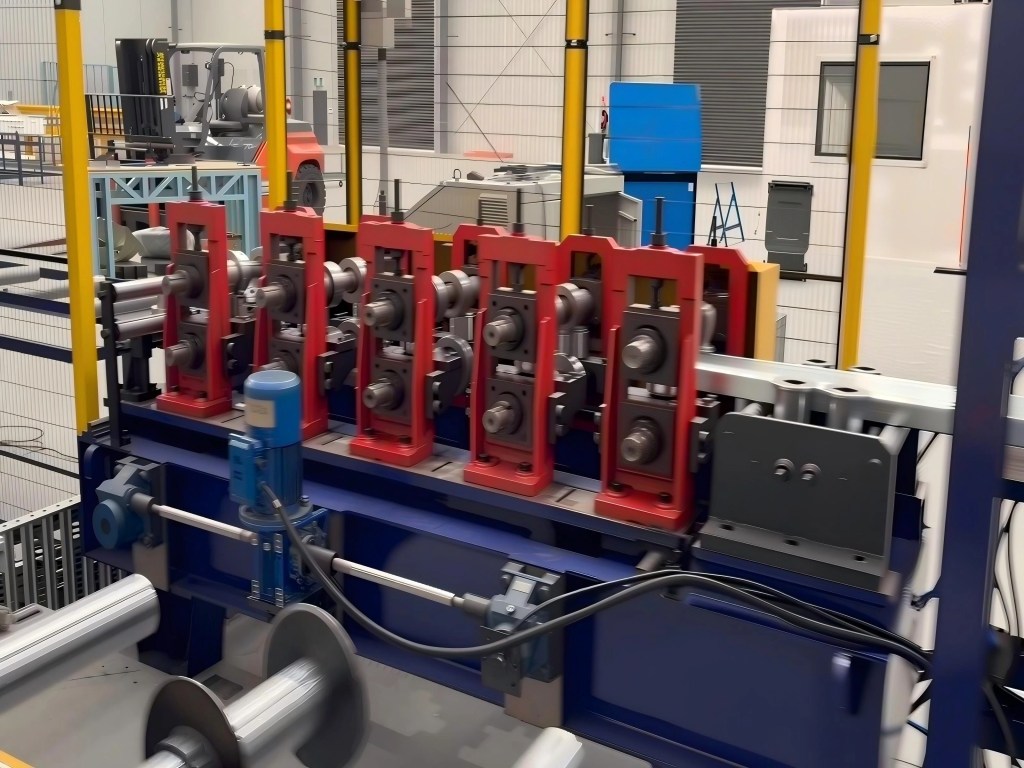
Believe Industry’s automatically seamed BoxSpan beam roll forming machine integrates every step from coil to finished box beam. The whole line layout follows this sequence:
Uncoiling & Leveling — Feeding & Guiding — Punching Holes — Guiding — Roll Forming — Printing — Cutting — Conveying — Overturning & Covering & Pushing — Seaming — Running Out
Each section is synchronized by the central Siemens PLC control system. The operator manages the entire line from one industrial computer with touchscreen, keyboard, and mouse. CAT6, USB backup, and WiFi functions are included. Aviation plugs are used for easy wiring connection.
Technical Parameters: BoxSpan Beam Roll Forming Machine
Uncoiler and Leveler with Coil Car
| คำอธิบาย | ข้อกำหนด |
|---|
| Uncoiling method | Hydraulic expansion, passive uncoiling |
| Coil width (max) | 400 mm |
| ความหนาของขดลวด | 0.8–1.5 mm |
| Coil weight (max) | 3,000 kg |
| เส้นผ่านศูนย์กลางภายในของขดลวด | 450–530 mm |
| Coil outer diameter (max) | 1,300 mm |
| Hydraulic motor power | 1.5 KW |
| Leveling motor power | 3 KW |
| Leveling device design | 2 pinch rolls, 7 leveling rolls |
| Leveling roller diameter | 52.5 mm |
| Leveling roller material | 40 ล้านรูปี |
| Hydraulic valve brand | Beijing Huade |
| อินเวอร์เตอร์ | ยาสกาวา |
| Limit sensor | ออมรอน |
| Coil car capacity | 3 Ton |
| Coil upender capacity | 5 ตัน |
Feeding Guide and Punching Holes Device
| คำอธิบาย | ข้อกำหนด |
|---|
| Guiding device | One side fixed, one side adjustable; moves with the stands for different coil widths |
| Punching sets | 6 sets total (5 for box beam holes, 1 for identification hole) |
| Punch adjustment | All 5 box beam punch sets are servo motor driven for different X-value |
| Punch mold material | CR12MOV or SKD11, HRC 58–62 |
| Hydraulic motor power | 11 KW |
| Hydraulic pressure | 20 MPa |
| Hydraulic station structure | 6 loops |
| Hydraulic station cooling | Oil and air cooling |
เครื่องรีดขึ้นรูป
| คำอธิบาย | ข้อกำหนด |
|---|
| Machine base | H-beam welded |
| Roll forming stands | Iron cast stands |
| สถานีสร้าง | 16 forming steps |
| วัสดุลูกกลิ้ง | CR12MOV (equiv. JIS SKD11), HRC 58–62, chromed surface |
| Shaft material | 42Cr, 80 mm diameter |
| ตลับลูกปืนเพลา | ตลับลูกปืน NSK |
| ความหนาในการขึ้นรูปม้วน | 0.8–1.5 mm |
| กำลังไฟฟ้าสำหรับการขึ้นรูปม้วน | มอเตอร์เซอร์โว 7.5 กิโลวัตต์ |
| ปรับกำลังมอเตอร์ | 1.5 กิโลวัตต์ x 2 |
| ความเร็วเส้น | 4–6 เมตร/นาที |
| วิธีการส่งผ่าน | โซ่และเฟืองขนาด 1.5 นิ้ว; ขาตั้งบางรุ่นใช้เกียร์เพื่อขับเคลื่อนลูกกลิ้งด้านบนด้วยเช่นกัน |
| ม้วนข้าง | ประกอบชิ้นส่วนระหว่างแท่นรีดขึ้นรูปเพื่อขึ้นรูปขอบโค้งมน |
| กำลังตัดไฮดรอลิก | 5.5 กิโลวัตต์ |
| วัสดุใบมีดตัด | CR12MOV, HRC 58–62 |
| อุปกรณ์ยืดผม | มีอุปกรณ์ที่ช่วยรับประกันความตรงของผลิตภัณฑ์ |
แร็คสำหรับเคลื่อนย้ายและพลิกกลับ
| คำอธิบาย | ข้อกำหนด |
|---|
| ขนาด | 12 เมตร |
| กำลังมอเตอร์ถ่ายโอน | 3 กิโลวัตต์ x 2 |
| ลูกกลิ้งสายพานลำเลียง | เส้นผ่านศูนย์กลาง 55 มม. ชุบโครเมียม |
| พลิกคว่ำและดัน | ขับเคลื่อนด้วยระบบลม |
| ทิศทาง | ทิศทางลบเพื่อลดความยาวเส้น |
เครื่องเย็บตะเข็บ
| คำอธิบาย | ข้อกำหนด |
|---|
| จำนวนบูธ | 5 แท่น |
| กำลังมอเตอร์ | 5.5 กิโลวัตต์ |
| วัสดุลูกกลิ้ง | GCr15, HRC 58–62 |
| ขาตั้งเครื่องจักร | เหล็กหล่อ |
| การแพร่เชื้อ | โซ่และเฟือง |
| การปรับแต่ง | การออกแบบปรับอัตโนมัติ ควบคุมโดย PLC |
ระบบควบคุม
| คำอธิบาย | ข้อกำหนด |
|---|
| พีแอลซี | ซีเมนส์ |
| ตัวเข้ารหัส | ออมรอน |
| ชิ้นส่วนไฟฟ้า | ชไนเดอร์ |
| คอมพิวเตอร์อุตสาหกรรม | คอมพิวเตอร์อุตสาหกรรม Apuqi พร้อมฟังก์ชันระบบสัมผัส |
| ซอฟต์แวร์ | ปรับแต่งมาเป็นพิเศษ เหมาะสำหรับการนำเข้าไฟล์ CSV ของคานกล่อง |
| การเชื่อมต่อ | สาย CAT6, การสำรองข้อมูลผ่าน USB, ฟังก์ชัน WiFi |
| การหยุดฉุกเฉิน | มีปุ่มหยุดฉุกเฉินและเชือกดึงสำหรับหยุดรวมอยู่ด้วย |
สถานีไฮดรอลิก
| คำอธิบาย | ข้อกำหนด |
|---|
| ปริมาณ | 2 ชุด (ชุดหนึ่งสำหรับเจาะรู อีกชุดหนึ่งสำหรับตัด) |
| พลังงานไฮดรอลิก | กำลังไฟ 11 กิโลวัตต์สำหรับการเจาะ กำลังไฟ 5.5 กิโลวัตต์สำหรับการตัด |
| แรงดันใช้งาน | 12–16 เมกะปาสคาล |
| น้ำมันไฮดรอลิก | น้ำมันไฮดรอลิก 46# |
แรงดันไฟฟ้าและความถี่
| คำอธิบาย | ข้อกำหนด |
|---|
| แรงดันไฟฟ้า | 415 โวลต์ |
| ความถี่ | 50Hz |
| เฟส | 3 เฟส |
การจัดวางระบบไฟฟ้าแบบนี้เป็นไปตามมาตรฐานพลังงานอุตสาหกรรมของออสเตรเลีย.
คุณสมบัติเหล่านี้สอดคล้องกับข้อกำหนดที่ระบุไว้ในเอกสารของเรา ผู้ผลิตเครื่องรีดขึ้นรูป คู่มือนี้อธิบายวิธีการประเมินคุณสมบัติของซัพพลายเออร์ให้ตรงกับความต้องการในการผลิตของคุณ.
ขนาดโปรไฟล์ BoxSpan และความเข้ากันได้กับเครื่องจักร
คาน BoxSpan ผลิตขึ้นในขนาดความกว้างมาตรฐานสี่ขนาด เครื่องขึ้นรูปคาน BoxSpan ของคุณต้องสามารถผลิตได้ครบทุกขนาด:
- BoxSpan 100×50: ใช้เหล็กเส้น BMT ขนาด 0.6 มม. หรือ 0.8 มม. เหมาะสำหรับงานโครงสร้างเบา.
- BoxSpan 150×50: ใช้ลวด BMT ขนาด 0.8 มม. หรือ 1.0 มม. ซึ่งเป็นขนาดที่ใช้กันทั่วไปในบ้านพักอาศัย.
- BoxSpan 200×50: ใช้ BMT ขนาด 0.8 มม. หรือ 1.0 มม. สำหรับช่วงความยาวที่มากขึ้นและน้ำหนักบรรทุกที่มากขึ้น.
- BoxSpan 250×50: ใช้เหล็กรูปทรงกล่อง BMT ขนาด 1.0 มม. ซึ่งเป็นเหล็กรูปทรงกล่องที่แข็งแรงที่สุด.
ระบบปรับความกว้างอัตโนมัติของ Believe Industry ครอบคลุมทั้งสี่ขนาดโดยไม่ต้องเปลี่ยนลูกกลิ้งด้วยมือ การปรับความกว้างใช้มอเตอร์ (1.5 KW x 2) และควบคุมด้วย PLC ซึ่งเป็นข้อได้เปรียบที่สำคัญเหนือเครื่องจักรแบบความกว้างคงที่ที่ต้องใช้ตัวเว้นระยะหรือการเปลี่ยนตลับลูกกลิ้ง.
เพื่อทำความเข้าใจเพิ่มเติมเกี่ยวกับผลกระทบของการออกแบบม้วนกระดาษต่อการผลิตหลายขนาด โปรดอ่านคู่มือทางเทคนิคของเรา การออกแบบลูกกลิ้งขึ้นรูป — อธิบายแผนภาพดอกไม้และการจัดตารางการส่งผ่านสำหรับโปรไฟล์ที่มีความกว้างแปรผัน.
การปฏิบัติตามกฎระเบียบและมาตรฐานของออสเตรเลีย
เมื่อทำการติดตั้ง BoxSpan beam roll forming machine for Australia, คุณต้องพิจารณาข้อกำหนดของท้องถิ่นด้วย:
มาตรฐานทางไฟฟ้าโรงงานในออสเตรเลียใช้ไฟสามเฟส 415V/50Hz บริษัท Believe Industry จะทำการปรับแต่งระบบไฟฟ้าของเครื่องจักรให้ตรงกันอย่างแม่นยำ โดยใช้ PLC ของ Siemens, ตัวเข้ารหัส Omron และชิ้นส่วนไฟฟ้าของ Schneider.
มาตรฐานความปลอดภัย: มาตรฐาน AS/NZS 4024 (ความปลอดภัยของเครื่องจักร) มีผลบังคับใช้ เครื่องจักรของเรามีม่านแสง ปุ่มหยุดฉุกเฉิน และเชือกดึงหยุดที่ได้มาตรฐานสากล รวมถึงได้รับการรับรอง CE เป็นมาตรฐานด้วย.
เกรดเหล็กโรงงานเหล็กของออสเตรเลียจัดหาเหล็กแผ่นเคลือบสังกะสีเกรด G350 และ G550 เครื่องจักรนี้สามารถรองรับเหล็กทั้งสองเกรดได้ วัสดุลูกกลิ้ง (CR12MOV, HRC 58–62, ผิวเคลือบโครเมียม) ออกแบบมาสำหรับเหล็กกล้าแรงดึงสูง 450 MPa เป็นมาตรฐาน.
ข้อมูลบริษัทของเราที่ บริษัท เบลลี อินดัสทรี อธิบายถึงประสบการณ์การส่งออกกว่า 20 ปีของเรา และวิธีการที่เราปฏิบัติตามกฎระเบียบเฉพาะประเทศสำหรับแต่ละตลาด.
การเปรียบเทียบเครื่องจักร BoxSpan กับสายการผลิตโปรไฟล์อื่นๆ
เครื่องขึ้นรูปคาน BoxSpan ใช้เทคโนโลยีร่วมกับสายการผลิตขึ้นรูปโลหะแบบม้วนอื่นๆ อีกหลายสายการผลิต การทำความเข้าใจความเชื่อมโยงเหล่านี้จะช่วยให้คุณวางแผนผังโรงงานและกลุ่มผลิตภัณฑ์ได้.
เทียบกับเครื่องขึ้นรูปรางเหล็กทั้งสองแบบใช้การเจาะด้วยเซอร์โวและการตัดด้วยระบบไฮดรอลิก โดยทั่วไปแล้วเครื่องขึ้นรูปเหล็กรางเลื่อนจะทำงานได้เร็วกว่าเนื่องจากรูปทรงเรียบง่ายกว่า ในขณะที่เครื่องขึ้นรูปเหล็กกล่องแบบ BoxSpan ต้องใช้สถานีรีดถึง 16 สถานีเนื่องจากกระบวนการขึ้นรูปตัวล็อคแบบ Double-C และขั้นตอนการเชื่อมต่อเพิ่มเติม.
ของเรา เครื่องขึ้นรูปรางเหล็กรูปตัวยู หน้านี้อธิบายระบบการเจาะและการตัดที่ใช้ในสายการผลิต BoxSpan ด้วยเช่นกัน.
เทียบกับเครื่องแป Cทั้งสองแบบผลิตชิ้นส่วนรูปตัว C เหมือนกัน ความแตกต่างคือ BoxSpan จะล็อกชิ้นส่วนรูปตัว C สองชิ้นเข้าด้วยกัน ในขณะที่แปเหล็กจะใช้ทีละชิ้น เครื่องผลิตแปเหล็กมักมีคุณสมบัติการซ้อนทับแบบตัว Z ซึ่งไม่จำเป็นสำหรับ BoxSpan.
หากคุณกำลังพิจารณาเพิ่มการผลิตแปหลังคา โปรดติดต่อเรา เครื่องขึ้นรูปแปเหล็กรูปตัว C คู่มือนี้อธิบายถึงความแตกต่างทางเทคนิค.
เทียบกับ คานชั้นวางของ: ทั้ง BoxSpan และคานขั้นบันไดสำหรับชั้นวางสินค้าต่างก็ใช้วิธีการเชื่อมต่อแบบกัดและกด (bite-and-dimple joint) รูปทรงของโปรไฟล์แตกต่างกัน แต่เทคโนโลยีการเชื่อมต่อคล้ายกัน ทั้งสองแบบต้องการการเชื่อมต่อทางกลที่รับน้ำหนักสูงโดยไม่ต้องเชื่อมแบบต่อเนื่อง.
หากคุณต้องการผลิตทั้งสองผลิตภัณฑ์ Believe Industry สามารถออกแบบสายการผลิตร่วมที่มีเครื่องมือเปลี่ยนเร็วได้.
การติดตั้งและการฝึกอบรมในประเทศออสเตรเลีย
สำหรับลูกค้าชาวออสเตรเลีย เรามีบริการดังต่อไปนี้:
- การทดสอบการยอมรับจากโรงงานก่อนการจัดส่ง (FAT)
- ค่าขนส่งทางทะเลไปยังท่าเรือออสเตรเลีย (FOB เซี่ยงไฮ้)
- การติดตั้งและทดสอบระบบ ณ สถานที่ปฏิบัติงาน (โดยทั่วไป 14 วัน ถึง 2 สัปดาห์)
- การฝึกอบรมผู้ปฏิบัติงาน (แนะนำให้ผู้ที่มีคุณวุฒิวิชาชีพเข้ารับการฝึกอบรม)
- รับประกัน 24 เดือน ครอบคลุมค่าแรงและค่าเปลี่ยนชิ้นส่วนที่ชำรุด
- การสนับสนุนทางเทคนิคจากระยะไกลผ่านคอมพิวเตอร์อุตสาหกรรมที่เชื่อมต่อด้วย WiFi
- คำแนะนำเกี่ยวกับอะไหล่ในท้องถิ่น
ค่าจ้างบุคลากรติดตั้งอยู่ที่ 200 ดอลลาร์สหรัฐต่อวัน บวกค่าเดินทาง ผู้ซื้อรับผิดชอบในการเตรียมพื้น/ฐานราก การจัดหาและเชื่อมต่อระบบไฟฟ้า และสภาพแวดล้อมการติดตั้งที่ปลอดภัยตามข้อกำหนดของ WorkSafe.
ของเรา การติดตั้งเครื่องรีดขึ้นรูป หน้ารายละเอียดบริการจะอธิบายขั้นตอนทั้งหมด รวมถึงระยะเวลาโดยทั่วไปและสิ่งที่ต้องเตรียมก่อนที่เครื่องจะมาถึง.
เหตุใดจึงควรเลือก Believe Industry สำหรับเครื่องผลิตคานกล่องของคุณ
บริษัท Believe Industry Company ผลิตเครื่องขึ้นรูปโลหะแบบม้วนมานานกว่า 15 ปี นี่คือเหตุผลที่ผู้ซื้อชาวออสเตรเลียเลือกเรา:
ผลงานที่พิสูจน์ได้: ติดตั้งเครื่องจักรมากกว่า 300 เครื่องในกว่า 20 ประเทศ.
วิศวกรรมตามสั่งเราออกแบบเครื่องจักรโดยยึดตามแบบร่างโปรไฟล์ของคุณ ไม่ใช่ในทางกลับกัน ซอฟต์แวร์ได้รับการปรับแต่งให้เหมาะสมกับขั้นตอนการนำเข้าไฟล์ CSV ของคานกล่อง.
การนำเข้าไฟล์ CSV การเจาะระบบระบบเจาะรูแบบไดนามิกของเราได้รับการออกแบบมาโดยเฉพาะสำหรับการผลิตตามโครงการ ซึ่งเป็นขั้นตอนการทำงานเดียวกับที่ผู้เขียนแบบของ LGSF ใช้แล้ว ชุดอุปกรณ์เจาะรูแบบขับเคลื่อนด้วยเซอร์โว 6 ชุดสามารถจัดการกับรูปแบบรูที่ซับซ้อนได้.
ประสบการณ์ในตลาดออสเตรเลียเราเข้าใจเรื่องแรงดันไฟฟ้าในพื้นที่ (415V/50Hz) มาตรฐานความปลอดภัย และข้อกำหนดด้านเกรดเหล็ก PLC ของ Siemens และส่วนประกอบของ Schneider Electric เป็นอุปกรณ์มาตรฐาน.
การบูรณาการสายการผลิตอย่างสมบูรณ์: ตั้งแต่เครื่องคลายขดลวดไปจนถึงโต๊ะจัดเรียง เราสร้างสายการผลิตทั้งหมด คุณไม่จำเป็นต้องจัดหาชิ้นส่วนจากผู้จำหน่ายหลายราย.
เทคโนโลยีการเย็บตะเข็บเครื่องเย็บตะเข็บ 5 แท่นของเราพร้อมลูกกลิ้ง GCr15 ให้การเชื่อมต่อเชิงกลที่มีความแข็งแรงสูงผ่านข้อต่อแบบกัดและกด — ไม่จำเป็นต้องเชื่อมอย่างต่อเนื่อง.
ข้อมูลเพิ่มเติมเกี่ยวกับบริษัทและศักยภาพของเราสามารถดูได้ที่หน้า... เกี่ยวกับ หน้านี้ และคุณยังสามารถตรวจสอบหน้าของเราได้อีกด้วย ผู้ผลิตเครื่องรีดขึ้นรูปที่ดีที่สุดในออสเตรเลีย คู่มือเปรียบเทียบ.
ขอใบเสนอราคา
หากคุณวางแผนที่จะผลิตคานเหล็กแบบ BoxSpan สำหรับตลาดออสเตรเลีย เราสามารถช่วยคุณเลือกเครื่องจักรที่เหมาะสมได้.
บอกเราหน่อย:
- คุณวางแผนจะผลิต BoxSpan ขนาดใดบ้าง?
- เป้าหมายปริมาณการผลิตต่อวันของคุณคือเท่าไร?
- Do you need CSV file import for punching?
- What is your factory’s power supply specification?
- Do you need the coil upender and coil car included?
ติดต่อทีมงานของเราได้เลยวันนี้. We will respond with a detailed proposal, including line layout, technical specifications, and pricing — typically within 24 hours.
คำถามที่พบบ่อย (FAQs)