









# Roll Forming Machine Purchase: 7 Red Flags of a Bad Supplier
Metadata
Title options:
- Roll Forming Machine Purchase: 7 Red Flags of a Bad Supplier
- Roll Forming Machine Purchase: 7 Warning Signs to Avoid
- Roll Forming Machine Purchase: 7 Red Flags Before You Pay
Meta descriptions:
- Roll forming machine purchase red flags warn you before you lose a deposit. Here are 7 signs of a bad supplier and what a trustworthy manufacturer does instead.
- What are the roll forming machine purchase red flags? See 7 warning signs, from no factory visit to missing CE mark, before you sign.
- Roll forming machine purchase red flags: 7 supplier signals that predict late delivery, poor support, and rejected profiles.
URL slug: roll-forming-machine-purchase-red-flags Categories: Commercial, Roll Forming Machine Tags: roll forming machine purchase red flags, bad roll forming supplier, roll forming machine scam, how to choose roll forming machine, roll forming machine warranty, CE mark roll forming, Beli Rollforming, Believe Industry
Red Flag 1: The Supplier Refuses a Factory Visit
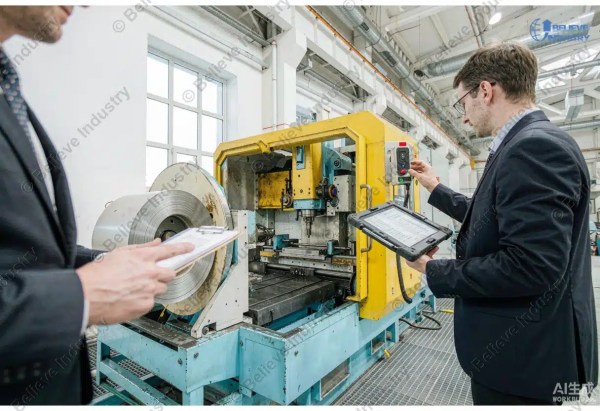
A supplier who blocks a factory visit or offers only a trading office address is a major warning sign. A real manufacturer runs a plant with roll form lines, a machining workshop, and assembly bays you can walk through. If the person on the call cannot name the plant city or refuses a live video walk-through, treat that as a deposit risk.
Ask for the business registration and the plant size in square meters before you book a flight. A genuine factory runs 3 to 5 roll forming lines. A trader stalls or sends a generic office photo when you press for these details.
Use our roll forming factory audit checklist before you travel so you know what to verify on site. A good supplier schedules the visit, shows the welding and grinding stations, and lets you inspect a machine under assembly. They have nothing to hide because the plant is real and busy. Our pillar overview of the roll forming machine explains the plant capabilities to look for.
Red Flag 2: A Huge Deposit With a Vague Contract
A bad supplier pushes a large upfront payment and keeps the contract loose. Common traps include a 50 to 70 percent deposit, no penalty for late delivery, and profile tolerances written as “approximately correct.” That structure leaves you exposed if the builder walks away or ships a machine that cannot form your section.
A trustworthy manufacturer works to a fixed milestone schedule. A typical split is a 30 percent deposit to start steel cutting, 60 percent before shipment after your acceptance, and 10 percent after commissioning. The contract names the steel grade, the roller material, and the finished profile tolerance in millimeters. Read our roll forming cost per meter formula to sanity check the price before you sign.
Where possible, route payment through an escrow so the builder is paid only after the acceptance test. A supplier who insists on a personal bank transfer with no milestone control is raising the deposit risk you are trying to avoid.
| Contract term | Bad supplier | Good supplier |
|---|---|---|
| Deposit | 50 to 70 percent upfront | 30 percent to start, 60 percent before ship |
| Tolerances | “Approximately correct” | Stated in mm per meter |
| Delay penalty | None | Written late-delivery clause |
Red Flag 3: No Verifiable ISO 9001 or CE Mark
Quality claims mean nothing without proof. The International Organization for Standardization (ISO) runs the ISO 9001 standard for quality management, and a serious exporter should hold a current certificate you can verify with the issuer. A bad supplier shows a blurry scan, names a cancelled accreditation body, or cannot give a certificate number.
For the European market the Conformite Europeenne (CE) mark is required under the Machinery Directive. A good supplier provides the CE mark with a technical file, risk assessment, and declaration of conformity. If your target market is the EU and the builder shrugs off CE, your machine may be refused at the border. Both proofs protect you long after the invoice is paid. See the International Organization for Standardization (ISO) at https://www.iso.org/ and the CE marking rules at the European Commission at https://single-market-economy.ec.europa.eu/single-market/ce-marking_en.
Red Flag 4: No Running Reference Machine to Show
Anyone can email a brochure photo. A trustworthy manufacturer can show you a line running your profile or a similar section, ideally on video with the customer’s permission. A bad supplier offers only stock images, refuses a reference call, and cannot name a single installed project.
Ask for a reference customer you can contact and a short video of the machine forming product. Our metal floor deck roll forming machine buying guide shows the kind of running evidence you should expect for a specific line. A good supplier is proud of its installed base and will connect you with a buyer who uses the machine every day.
Request footage of the line running at full speed with your coil thickness, not a static shot of a clean machine. A good supplier also names the control system brand so you can judge whether the line fits your volume.
Red Flag 5: Vague Acceptance Criteria and No Test Run
The acceptance test is where a roll forming machine scam hides. A bad supplier ships the machine, claims it “works,” and leaves you to discover the profile is out of tolerance on your floor. There is no written acceptance standard and no recorded test run.
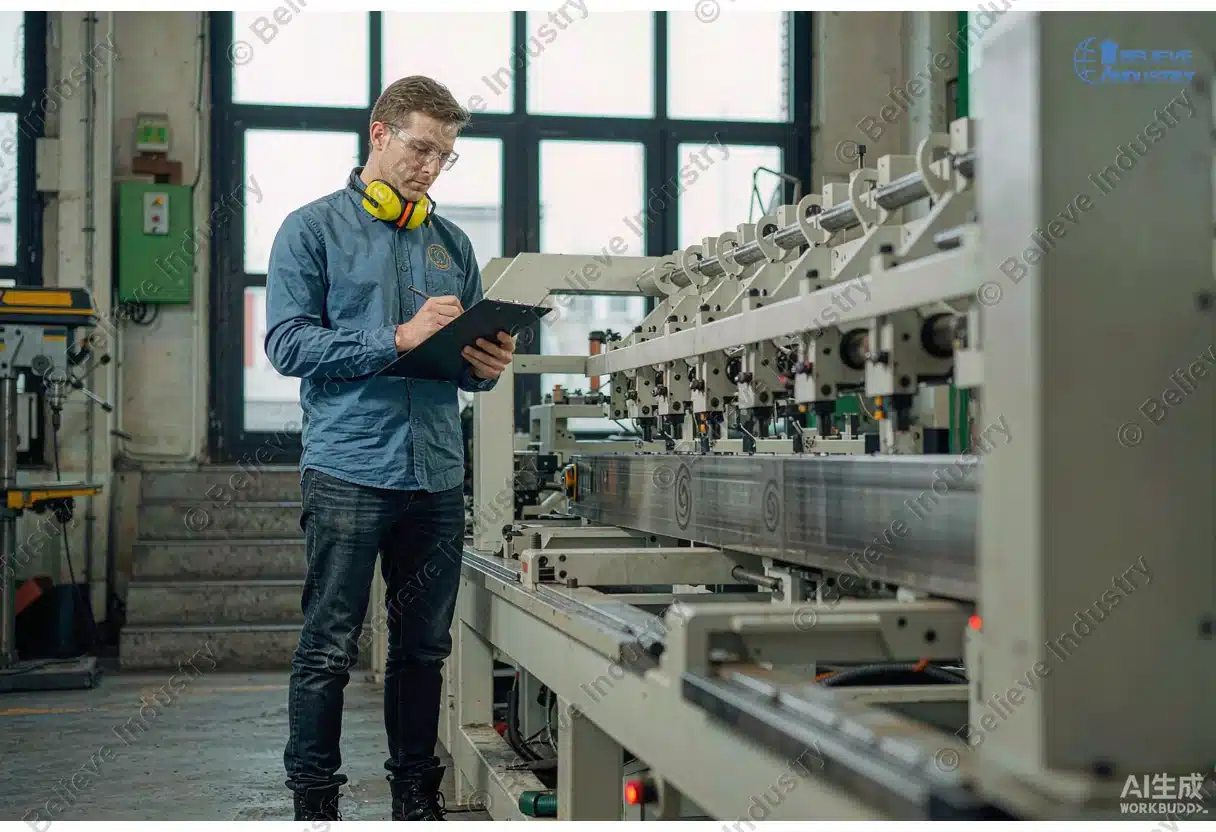
A good supplier runs your material before shipment and documents the result. The acceptance criteria should name the flatness tolerance (for example within 1.0 mm per meter), the cutting length accuracy, and the line speed. They record a test run on video and you sign off before the balance is paid. This step is the cheapest insurance in the whole roll forming machine purchase red flags list.
Red Flag 6: No Local Spare Parts or After-Sales Plan
A machine is a 10 to 15 year asset, and wear parts will fail. A bad supplier has no parts list, no price sheet, and no plan to send a replacement roller or hydraulic seal. When the line stops, so does your output, and the supplier stops answering email.
A good manufacturer ships a spare parts crate with the machine: rollers, cutters, seals, and sensors sized to your line. They give a priced parts list and a clear after-sales contact. Roller steel choice matters here, so review our roll forming roller materials 7 steel grades compared to understand what you are buying and how long it should last.
Confirm the lead time for a replacement roller, which should be 2 to 4 weeks from a stocking supplier and not 3 to 6 months from a one off builder. A line stopped for a missing part is a hidden cost that dwarfs any saving on the price.
Red Flag 7: Evasive About Commissioning and Training
The final red flag is silence on what happens after delivery. A bad supplier drops the machine at your dock and disappears. No engineer visits, no operator training, and no support when the first coil jams. Your team learns by trial and error on a machine worth six figures.
A good supplier plans commissioning as a defined job. Expect a 7 to 10 day commissioning window with an engineer on site, operator training, and a documented run at target speed. They also state the roll forming machine warranty in writing, typically 12 to 24 months on the frame and drive. Our roll forming factory audit checklist lists the commissioning items to confirm. That plan is the difference between a line that earns and a line that sits.
Good suppliers also leave a written operation manual and a printed circuit diagram with the machine. They offer remote support by video call for the first 30 to 60 days, so your team is never stuck on a small fault. That follow through is the warranty you actually rely on.
Conclusion
A roll forming machine purchase red flags review turns risk into a checklist you can act on before paying. Refuse any supplier who blocks a factory visit, demands a 50 to 70 percent deposit, or cannot show ISO 9001 and a CE mark. Demand a running reference, a written test run, a spare parts crate, and a real commissioning plan. Choose a manufacturer who answers these questions openly, and your line will run the day it arrives.
FAQ
1. What are the biggest roll forming machine purchase red flags? The biggest red flags are a refused factory visit, a 50 to 70 percent upfront deposit, and no verifiable ISO 9001 or CE mark. Each one alone is a reason to pause, and two together mean you should walk away.
2. How much deposit is normal for a roll forming machine? A normal deposit is about 30 percent to start production, with 60 percent due after your acceptance test and 10 percent after commissioning. Any supplier demanding 50 to 70 percent upfront before you see a running machine is a deposit risk.
3. Why does a CE mark matter for a roll forming machine? The CE mark shows the machine meets European health and safety law under the Machinery Directive. Without it, a machine bound for the EU can be stopped at the border, so a supplier who shrugs off CE is a serious red flag.
4. What is ISO 9001 and why should my supplier have it? ISO 9001 is the quality management standard from the International Organization for Standardization (ISO). A current, verifiable certificate tells you the supplier runs documented processes rather than building each machine by guesswork.
5. How do I verify a supplier’s factory is real? Book a plant visit or request a live video walk-through of the assembly bays and machining workshop. A bad roll forming supplier offers only a trading office address and avoids showing the actual plant.
6. What should acceptance criteria include before I pay? Acceptance criteria should name the flatness tolerance (for example within 1.0 mm per meter), cutting length accuracy, and line speed, all recorded during a test run. A supplier who skips the test run is a red flag.
7. What spare parts should come with the machine? A good supplier ships a spare parts crate with rollers, cutters, seals, and sensors, plus a priced parts list. No parts plan is one of the clearest roll forming machine purchase red flags.
8. How long does commissioning and training take? A proper commissioning window is 7 to 10 days with an engineer on site and operator training included. A supplier who is vague about this step is evading the most important part of after-sales support.
9. What does a roll forming machine warranty usually cover? A typical roll forming machine warranty covers 12 to 24 months on the frame, drive, and control system. Get the terms in writing, because a verbal warranty from a bad supplier is worth nothing.
10. How do I choose a roll forming machine supplier safely? Choose by evidence, not price: verify the plant, the ISO 9001 and CE marks, a running reference, a test run, spare parts, and a commissioning plan. Use our roll forming factory audit checklist and the buying guides linked above before you sign.