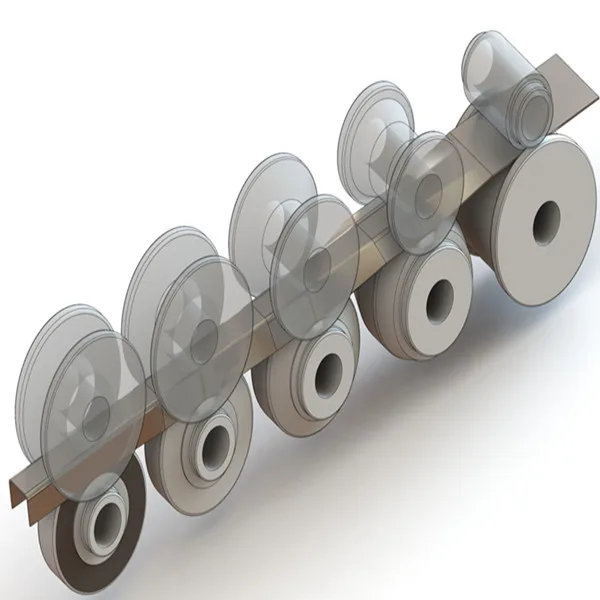
The core of any successful and high-quality metal processing operation is its roll forming tooling. In the competitive manufacturing world, simply owning a roll forming machine isn’t enough; the key to profitability and precision lies in the performance and longevity of your tooling. Roll forming tooling refers to the set of rollers, dies, and guides that shape the metal strip into its final profile. Upgrading your tooling isn’t just an expense; it’s a strategic investment that pays dividends in reduced downtime, improved product quality, and increased machine lifespan.
This guide will provide six essential strategies for upgrading and optimizing your current roll forming tooling setup, ensuring you get the most out of your equipment. For a detailed understanding of the equipment itself, check out our comprehensive analysis of roll forming machine
1. Material Selection: Choosing the Right Steel for Roll Forming Tooling
The most fundamental upgrade you can make to your roll forming tooling is in the material itself. The lifespan and performance of the rolls are dictated largely by the steel they are made from.
Standard Materials: Traditionally, materials like AISI D2 and SKD11 are used, offering a good balance of hardness and wear resistance.
High-Performance Steels: For demanding applications involving high-strength steel (HSS) or stainless steel, consider upgrading to powdered metallurgy tool steels such as CPM 10V or M4. These materials offer significantly superior wear resistance and toughness due to their fine, uniform carbide structure. For a detailed roll forming tooling materials guide, consult this Comprehensive Guide to Roll Form Tooling Materials
Impact on Cost: While high-performance materials have a higher initial cost, their extended life dramatically reduces the frequency of replacement and regrinding, lowering the overall cost of operations over time.
2. Surface Treatment and Coating: Maximizing Roll Forming Tooling Longevity
Even the best tool steel can benefit from specialized surface enhancements. Coatings and surface treatments are crucial for reducing friction, minimizing material pick-up (galling), and boosting the overall hardness of your roll forming tooling.
PVD/CVD Coatings: Physical Vapor Deposition (PVD) and Chemical Vapor Deposition (CVD) coatings, such as Titanium Nitride (TiN) or Chromium Nitride (CrN), create an extremely hard, low-friction outer layer. This is especially vital when running pre-painted or sensitive materials.
Black Oxide or Chrome Plating: While less durable than PVD/CVD coatings, a simple chrome plating can provide excellent corrosion resistance and a smoother surface finish, improving part quality.
Impact on Efficiency: Reduced friction means the roll forming machine uses less power, and the tooling runs cooler, which helps maintain the steel’s temper and dimensional stability. This directly relates to efficiency and should be a part of your regular roll forming machine maintenance schedule.
3. Precision Machining and Surface Finish of Roll Forming Tooling
A key factor distinguishing high-quality roll forming tooling is the precision and finish achieved during its manufacture. Inaccurate profiles or poor surface roughness will cause defects in the final product.
CNC Precision: Ensure your tooling is machined on modern, high-precision CNC grinders. This ensures that the roll profile perfectly matches the flower pattern and that the left and right rolls are symmetrical and identical in diameter.
Mirror Polish: For rolls that come into direct contact with the visible surface of the material, a mirror polish (low RMS value) is essential. A smoother surface finish minimizes drag and the likelihood of scratches or marking on the finished profile.
Design Tolerance: Demand tighter tolerances from your tooling manufacturer. A smaller tolerance window for the roll diameter and profile means less adjustment needed during setup and more consistent production quality.
4. Advanced Roll Design: Computer-Aided Flower Pattern Optimization
The actual profile of your roll forming tooling, known as the flower pattern or roll design, is where significant performance gains can be made.
Software Simulation: Leverage FEA (Finite Element Analysis) software to simulate the metal flow and stress distribution during the forming process. This allows designers to optimize the flower pattern to reduce strain on the strip, prevent material deformation (like waviness or camber), and balance the workload across all forming passes.
Pre-Notching/Punching Integration: Upgraded tooling should seamlessly integrate with pre-process operations like punching or notching. The design must accommodate the stress introduced by these processes to prevent profile distortion.
Quick-Change Tooling Systems: Invest in cassette-style or rafted tooling systems. While these are part of the machine structure, they are designed around the tooling itself and dramatically reduce changeover time—often from hours down to minutes—making short production runs feasible and boosting overall roll forming automation.
5. Maintenance and Storage Protocols for Roll Forming Tooling
Upgrading your protocols is just as important as upgrading the steel. Even the best roll forming tooling will degrade rapidly if improperly maintained or stored.
Professional Cleaning and Inspection: Implement a strict regimen of cleaning (removing scale and metal dust) and non-destructive testing after each production run. Early detection of micro-cracks or wear points can save the entire roll set.
Rust Prevention: Tooling should be stored in a temperature- and humidity-controlled environment, coated with a high-quality preservative oil or wax, and placed in dedicated storage racks to prevent damage from collisions.
Regrinding Management: Establish a clear threshold for when rolls need regrinding. Waiting too long can require excessive material removal, reducing the total service life of the roll forming tooling.
6. Material Handling and Guide Upgrades for Superior Roll Forming Tooling Use
While technically not the main rolls, the ancillary guiding components are critical to the success of the roll forming tooling.
Entry Guides: Upgrade the material entry guide system. Precision side guides and entry tables ensure the strip enters the first roll stand perfectly centered and aligned, preventing uneven wear on the initial forming passes.
Side Rolls/Vertical Rolls: Introduce or optimize the use of side rolls or vertical rolls between passes. These are particularly useful for controlling material width, preventing edge waves, and accurately guiding the strip, thus reducing the stress and wear on the main forming rolls.
Idler Rolls: In critical bending stages, consider using idler rolls that are not driven by the gear train. This allows the tooling to rotate freely with the strip, minimizing friction and surface marking.
Conclusion: The Value of Upgrading Your Roll Forming Tooling
Upgrading your roll forming tooling with these 6 essential strategies—from advanced material selection and protective coatings to precision machining and optimized maintenance—is the quickest way to see tangible improvements in your manufacturing operation. As your trusted partner, Beli RollForming is committed to providing not only world-class roll forming machines but also the high-performance tooling necessary to keep your business competitive and your product quality exceptional. Investing in premium roll forming tooling today safeguards your future profitability.