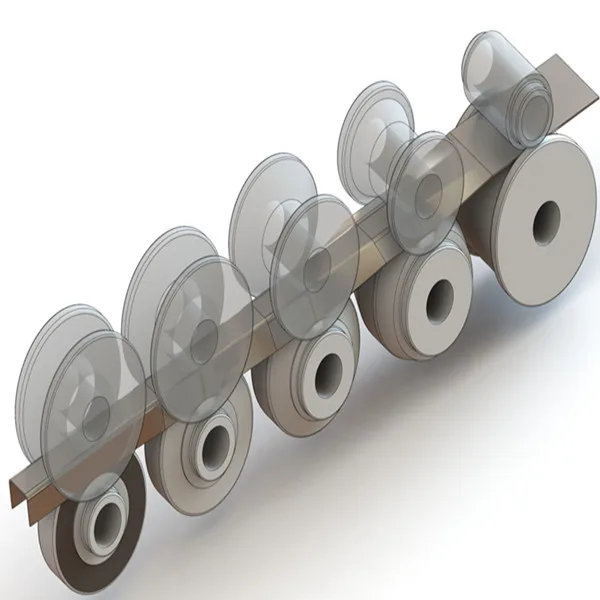
The manufacturing industry is constantly seeking competitive advantages, and for specialized operations, this means optimizing every step of the process. In the world of metal fabrication, Roll Forming Automation is not just a trend—it’s a financial necessity. Investing in automated roll forming solutions is the single most effective strategy for manufacturers looking to reduce waste, increase throughput, and, most importantly, dramatically slash their operating expenditure (OpEx).
We, at Beli RollForming, understand the financial pressures faced by global manufacturers. This comprehensive guide outlines the crucial five areas where advanced Roll Forming Automation delivers immediate, measurable cost reductions.
In a tight market, efficiency is paramount. Manual or semi-automated processes introduce variables—human fatigue, inconsistent speed, and reliance on highly skilled, costly labor—that erode margins. Roll Forming Automation replaces these variables with precision, repeatability, and speed, turning hidden operational drains into powerful sources of savings. Automation allows you to produce more components of higher quality, using fewer resources and less time.
Implementing cutting-edge Roll Forming Automation systems is a game-changer for plant managers and procurement professionals. These automated solutions systematically target the biggest drivers of OpEx, ensuring a rapid return on investment (ROI).
1. Optimize Material Yield and Reduce Waste (Roll Forming Automation and Material)
Material cost is often the largest component of manufacturing expenditure. Even minor deviations in cutting accuracy accumulate into significant coil waste over time.
Advanced Roll Forming Automation systems feature integrated controls for measuring and cutting. High-precision servo motors and encoders ensure that every cut length is accurate to within a fraction of a millimeter. This meticulous precision maximizes material yield from every coil. Furthermore, automated error detection minimizes the production of scrap parts due to misfeeds or incorrect profiling, providing an immediate and substantial reduction in material waste. This focus on material optimization is a cornerstone of smart manufacturing.
2. Minimize Labor Dependence and Human Error (Roll Forming Automation and Workforce)
The expense of labor goes beyond salaries; it includes recruitment, training, injury risks, and the cost of human-induced errors, such as incorrect tool setups or feeding misalignments. Roll Forming Automation significantly minimizes these costs.
Modern automated lines can be run, monitored, and adjusted by a single supervisor. By replacing multiple manual tasks with programmed precision, you reduce the direct cost of labor and virtually eliminate the costly necessity of reworking products due to human mistakes. When the line is running optimally, less intervention is needed. To maintain peak performance, consistent preventative measures are essential. You can learn more about how to keep your systems running smoothly in our guide on Precision Roll Forming Machine Maintenance Tips.
3. Maximize Machine Uptime with Predictive Maintenance (Roll Forming Automation and Reliability)
Unexpected downtime due to machine failure is one of the most expensive operational headaches. It halts production, mandates rushed, costly repairs, and delays delivery schedules. This is where the monitoring capabilities of Roll Forming Automation become invaluable.
Automated systems incorporate sophisticated sensors that continuously monitor critical components like bearings, hydraulic pressure, and motor temperature. This data enables predictive maintenance—scheduling service based on actual component health rather than arbitrary time intervals. This shift from reactive to proactive maintenance drastically reduces catastrophic failures and minimizes downtime. It keeps your production line moving reliably, a key factor in achieving Lean Manufacturing goals. For more insights on the broader benefits of industrial automation, we recommend exploring the resources provided by the International Society of Automation (ISA).
4. Drastically Reduce Energy Consumption (Roll Forming Automation and Efficiency)
Energy consumption is a core OpEx factor, especially for machines running continuous production cycles. Older, non-automated machines often run motors at full speed unnecessarily.
Roll Forming Automation integrates energy-efficient technologies, such as Variable Speed Drives (VSDs) and sophisticated motor management software. These components ensure that motors only draw the necessary power required for the load and speed. This optimization means less wasted energy, lower utility bills, and a significant long-term reduction in overall operational costs, contributing to a smaller environmental footprint.
5. Boost Throughput and Inventory Turnover (Roll Forming Automation and Output)
Increased production speed combined with reduced error rates leads directly to higher throughput. The ability of Roll Forming Automation lines to run continuously at peak performance allows manufacturers to complete orders faster and take on greater volumes.
This higher output enables a Just-In-Time (JIT) manufacturing model, reducing the need for large, costly buffer inventory that ties up capital. Faster inventory turnover improves cash flow and reduces the overhead associated with warehouse management and storage. The efficiency gained here impacts your entire supply chain. For deeper analysis on supply chain logistics and JIT strategies, you can consult leading resources like the Council of Supply Chain Management Professionals (CSCMP). We also offer specialized solutions that maximize output for specific applications, such as our range of c stud roll forming machine