





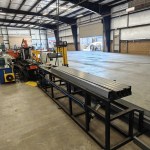
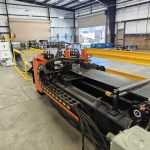

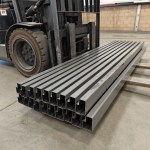
🛠️Was ist eine Stufenprofiliermaschine?
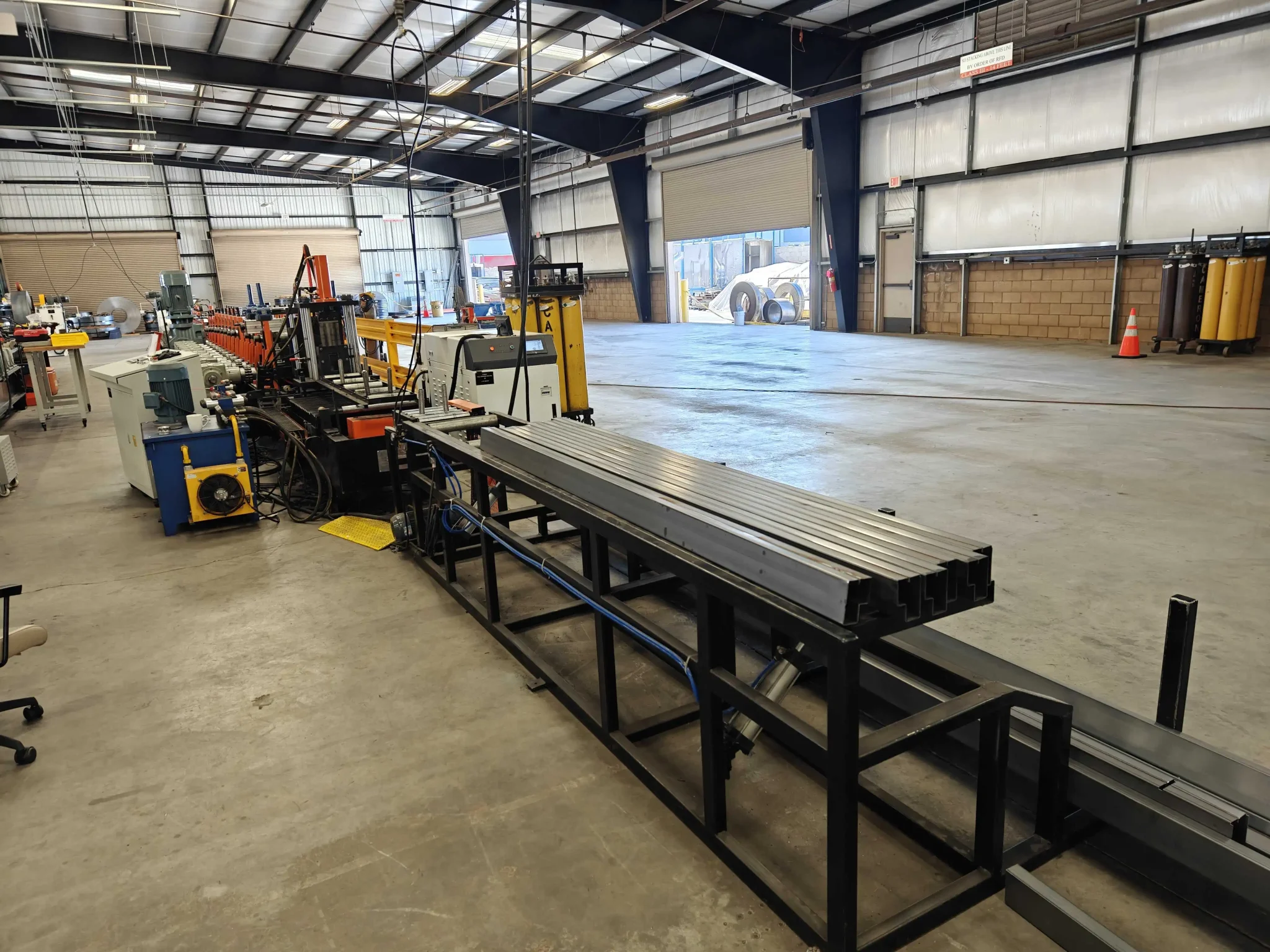
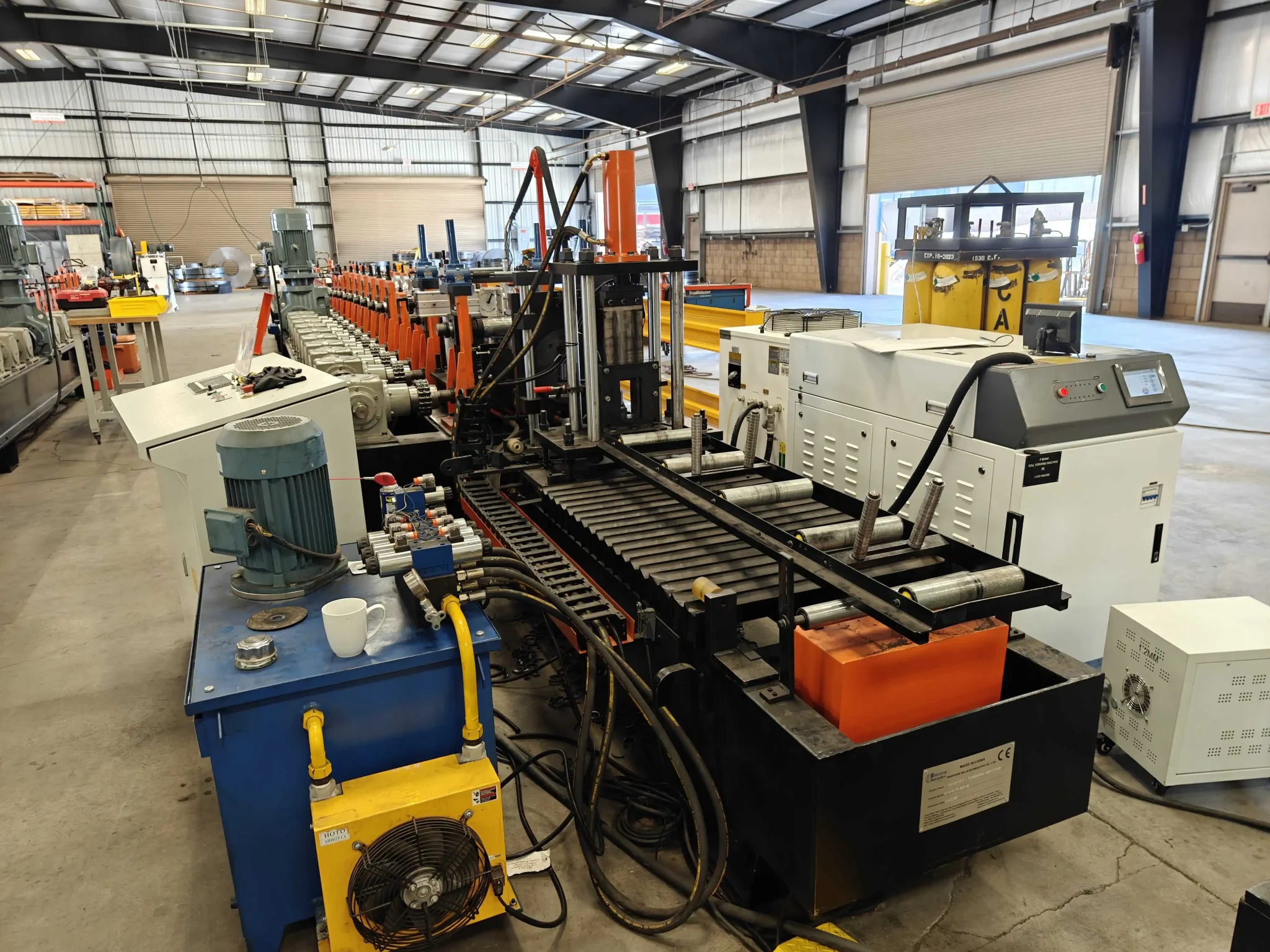
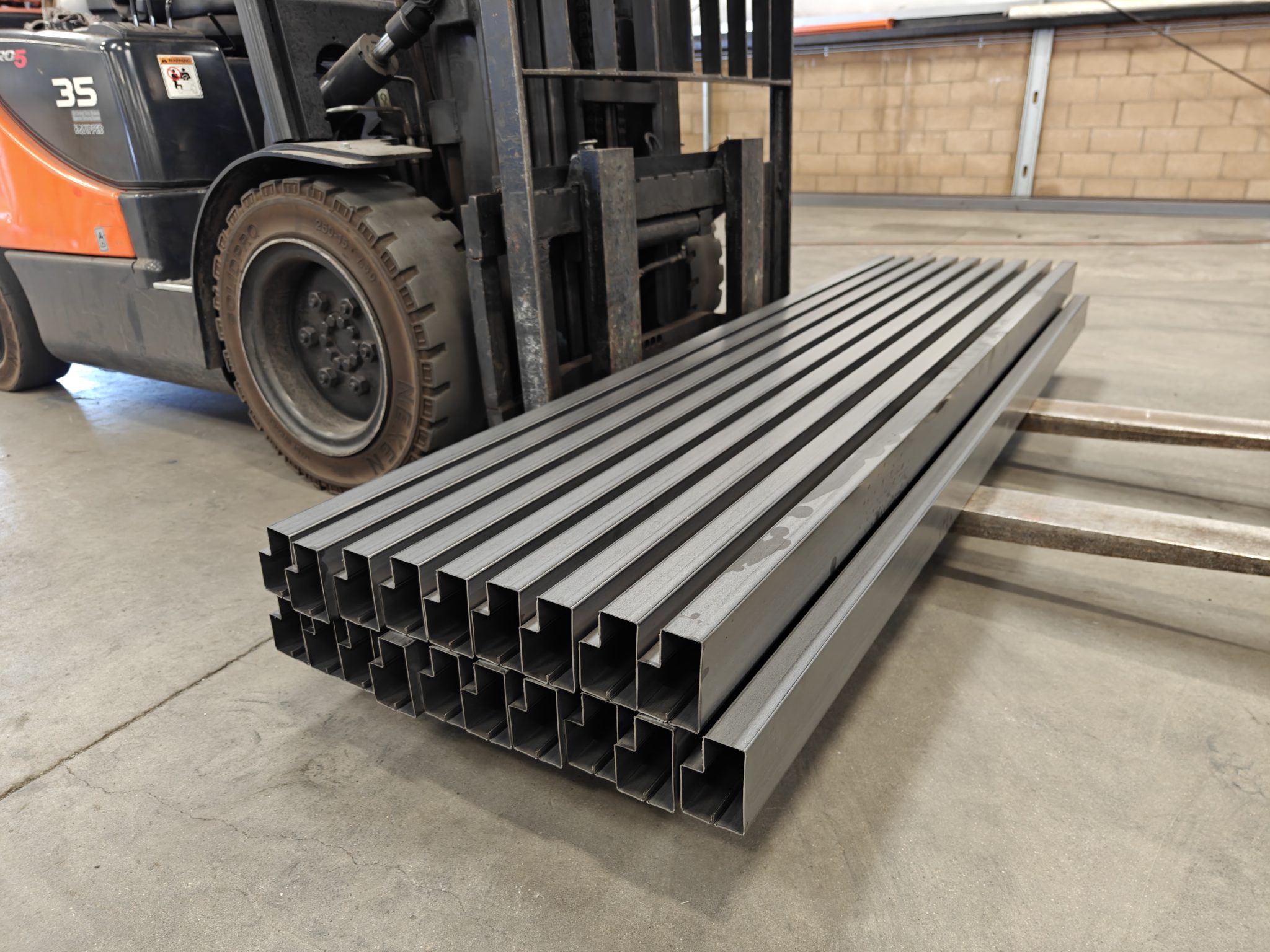
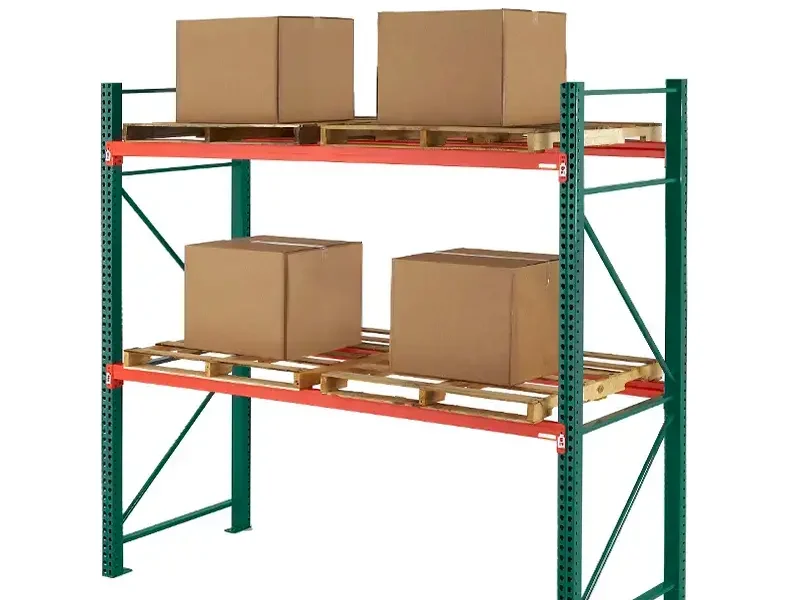
Eine Stufenprofilwalzmaschine (auch P-Profilwalzmaschine genannt) ist ein speziell entwickeltes Kaltwalzformsystem, das Flachstahlcoils kontinuierlich in horizontale Stufenprofilträger umwandelt – die ineinandergreifenden tragenden Elemente, die in selektiven Palettenregalen, Zwischenetagen und industriellen Regalsystemen verwendet werden.
Die Standardproduktionsgeschwindigkeiten liegen zwischen 10 und 15 m/min, wobei Hochgeschwindigkeitskonfigurationen 20 m/min überschreiten. Die fertigen Träger weisen einen charakteristischen gestuften Querschnitt auf, der so konstruiert ist, dass er sich mechanisch mit den vertikalen Gestellständern verbindet und die Anforderungen der Norm RMI ANSI MH16.1-2012 hinsichtlich der strukturellen Belastung erfüllt.
7 Hauptvorteile unserer Stufenbalkenmaschine
Unübertroffene Produktionseffizienz
Aktion: Erreicht Geschwindigkeiten von 10–15 Meter pro Minute, und übertrifft damit die manuelle Produktion bei Weitem.
Wert: Arbeitskosten drastisch senken und die anspruchsvollen Fristen für groß angelegte Palettenregal- und Lagerprojekte einhalten.
Präzisionstechnik für gleichbleibende Qualität
Aktion: Nutzt hochentwickelte, computergesteuerte Walzen und Formstationen.
Wert: Gewährleistet einheitliche Stufenträgerprofile und stellt sicher, dass die fertigen Träger strengen Normen entsprechen. RMI (Rack Manufacturers Institute) Normen für Tragfähigkeit für zertifizierte Qualität.
Robuste Langlebigkeit für Schwerlastregale
Aktion: Konstruiert mit Stahlrahmen in Industriequalität, gehärteten Stahlwalzen GCr15 und Motoren mit hohem Drehmoment.
Wert: Entwickelt, um dauerhafter Belastung standzuhalten 24/7-Betrieb in Produktionsumgebungen mit hohem Durchsatz, um langfristige Zuverlässigkeit zu gewährleisten.
Verschiedene geschlossene Lösungen
Aktion: Wir bieten mehrere firmeneigene Verschlussmethoden an, um spezifischen baulichen Anforderungen gerecht zu werden.
Optionen: Selbstverriegelt, Punktschweißen (einschließlich Stopp- und Flugschweißen) und fortgeschritten Laserschweißen Optionen.
Flexible Anpassungsmöglichkeiten
Aktion: Verfügt über verstellbare Werkzeuge und SPS-Steuerung für Profiländerungen.
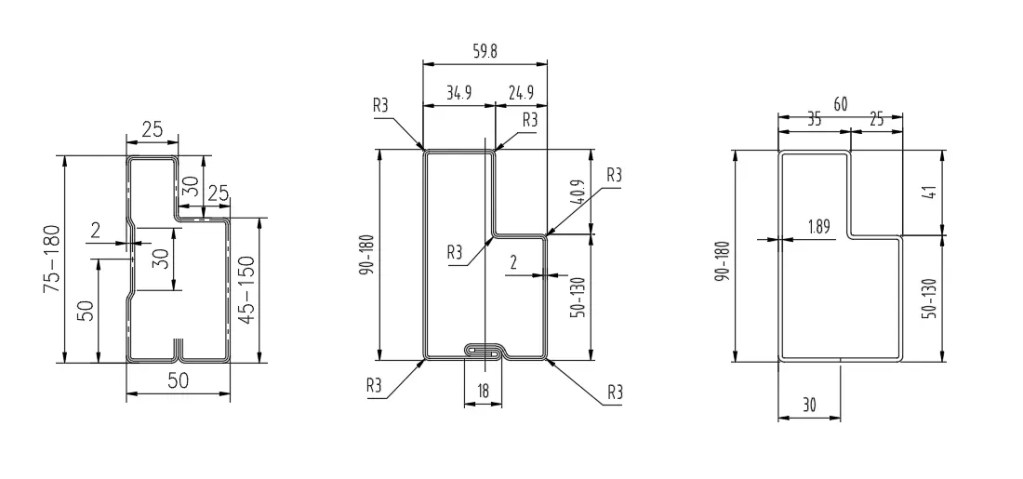
Wert: Einfach herzustellen Stufenbalken in unterschiedlichen Breiten (600–1.200 mm), Dicken (1,2–2,5 mm) und Längen (bis zu 6 m) für alle industriellen Regalsysteme und Zwischengeschosse.
Benutzerfreundliche Bedienung und Wartung
Aktion: Intuitive SPS-Touchscreen-Oberfläche für schnelle Profilprogrammierung und Produktionsüberwachung.
Wert: Verkürzt die Schulungszeit für die Bediener, minimiert den Arbeitsaufwand und vereinfacht die Wartung durch automatisierte Fehlermeldungen, um Ausfallzeiten zu reduzieren.
Umfassender Herstellersupport
Aktion: Unterstützt durch den lebenslangen technischen Support, Schulungen vor Ort und die Fehlerbehebung rund um die Uhr von Beli RollForming.
Wert: Schützen Sie Ihre Investition und sichern Sie sich Spitzenleistung mit dediziertem Support und Software-Updates für Ihr System. Stufenprofilieranlage.
⚙️ Kernkomponenten der Stufenprofilieranlage von Beli RollForming
Jede kritische Komponente unseres Stufenprofilieranlage ist präzisionsgefertigt für maximale Haltbarkeit, Profilgenauigkeit und hohen Durchsatz und gewährleistet so eine zuverlässige Palettenregalproduktion.
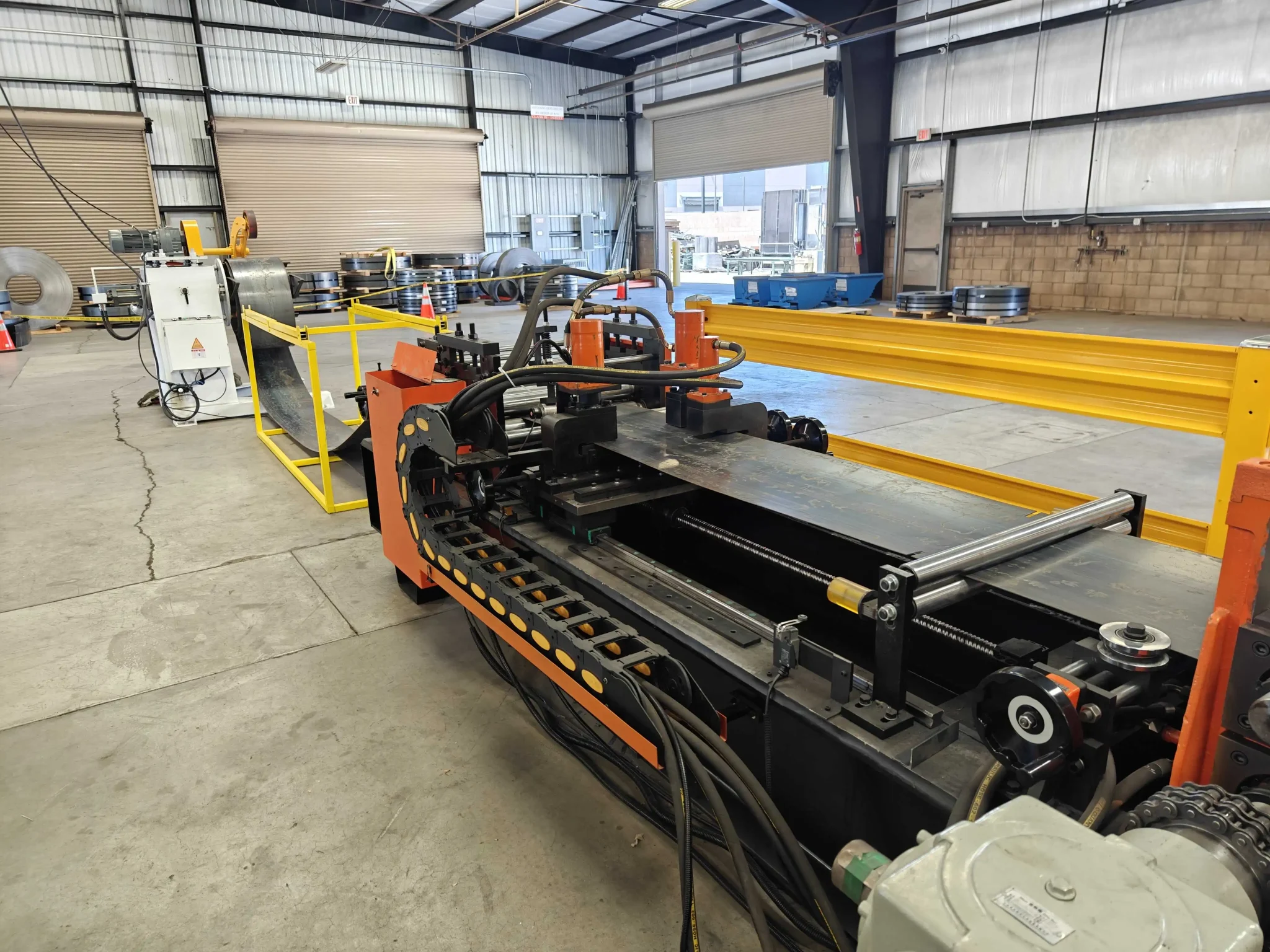
1. Hochleistungs-Abwickelsystem
Funktion: Gewährleistet eine reibungslose und gleichmäßige Materialzufuhr, die für die Aufrechterhaltung einer hohen Bandgeschwindigkeit entscheidend ist.
Optionen: Wählen Sie zwischen einem robusten Hydraulischer Abwickler (ideal für Hochleistungsspulen bis 3000 kg und darüber) oder eine Manueller Abwickler (für kleinere Chargen).
Hauptmerkmal: Beide Varianten beinhalten eine einstellbare Spannungsregelung, um Materialfalten zu vermeiden und einen optimalen Spulenfluss zu gewährleisten.
2. Fortschrittliche Vorstanz- und Kerbeinheit
Funktion: Erzeugt alle notwendigen Verbindungskerben und Verriegelungsmechanismen vor der Formgebungsprozess.
Nutzen: Durch das Vorstanzen werden Spannungskonzentrationen vermieden, die beim Nachstanzen auftreten, und die strukturelle Integrität des Endprodukts bleibt erhalten. Stufenbalken Profil.
Präzision: Hydraulische Systeme werden für einen leisen Betrieb und saubere, gratfreie Schnitte eingesetzt.
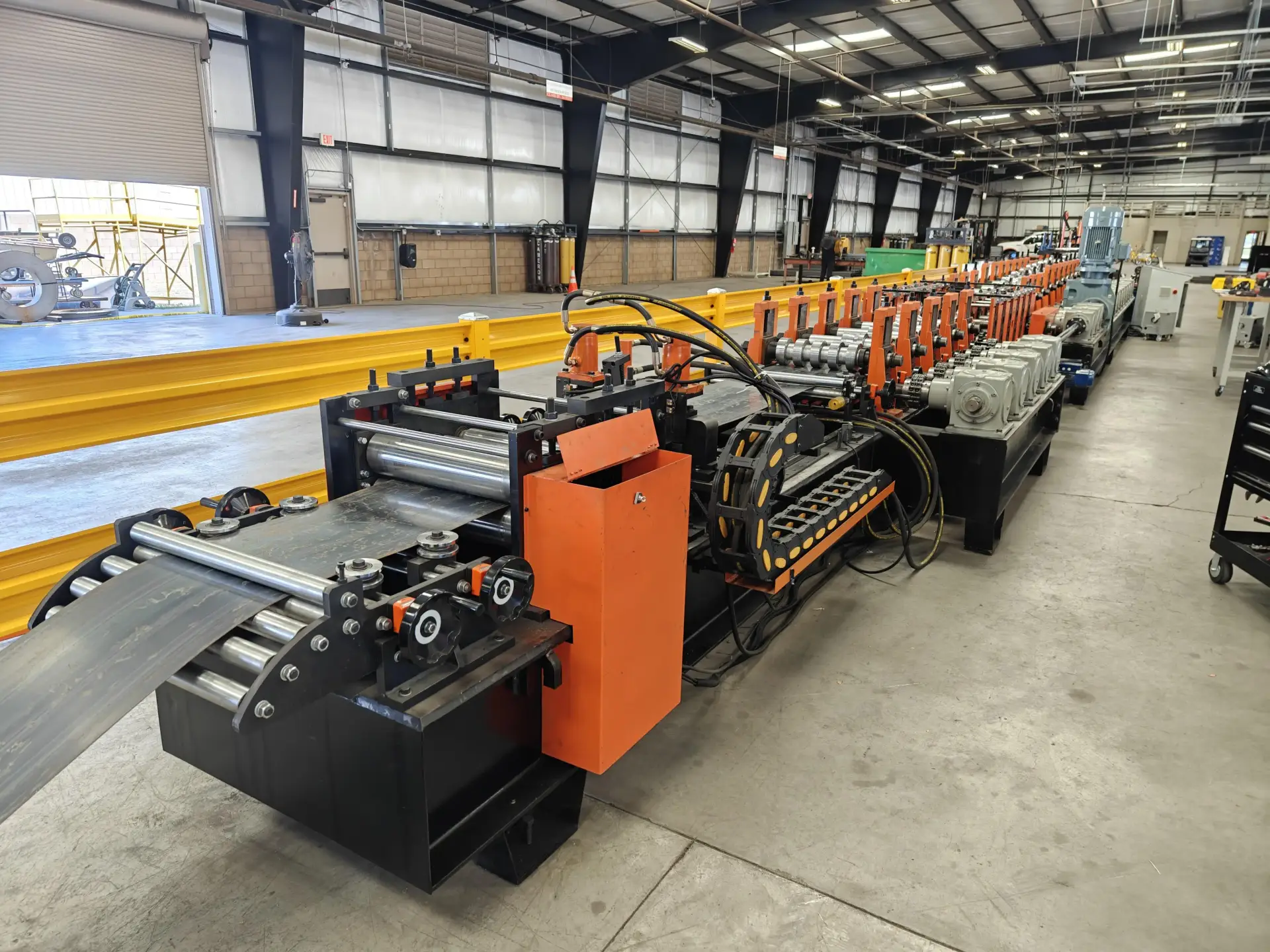
3. Präzisions-Walzformanlagen
Material: Die Rollen werden aus hochwertigen Materialien hergestellt. Gehärteter Stahl GCr15 für außergewöhnliche Verschleißfestigkeit, auch bei der Verarbeitung von hochfestem oder verzinktem Material.
Haltbarkeit: Die Mehrstandkonfiguration (typischerweise 28–36 Stationen) gewährleistet eine allmähliche, spannungsarme Profilbildung und minimiert so die Rückfederung und die Gewährleistung präziser Stufenabmessungen.
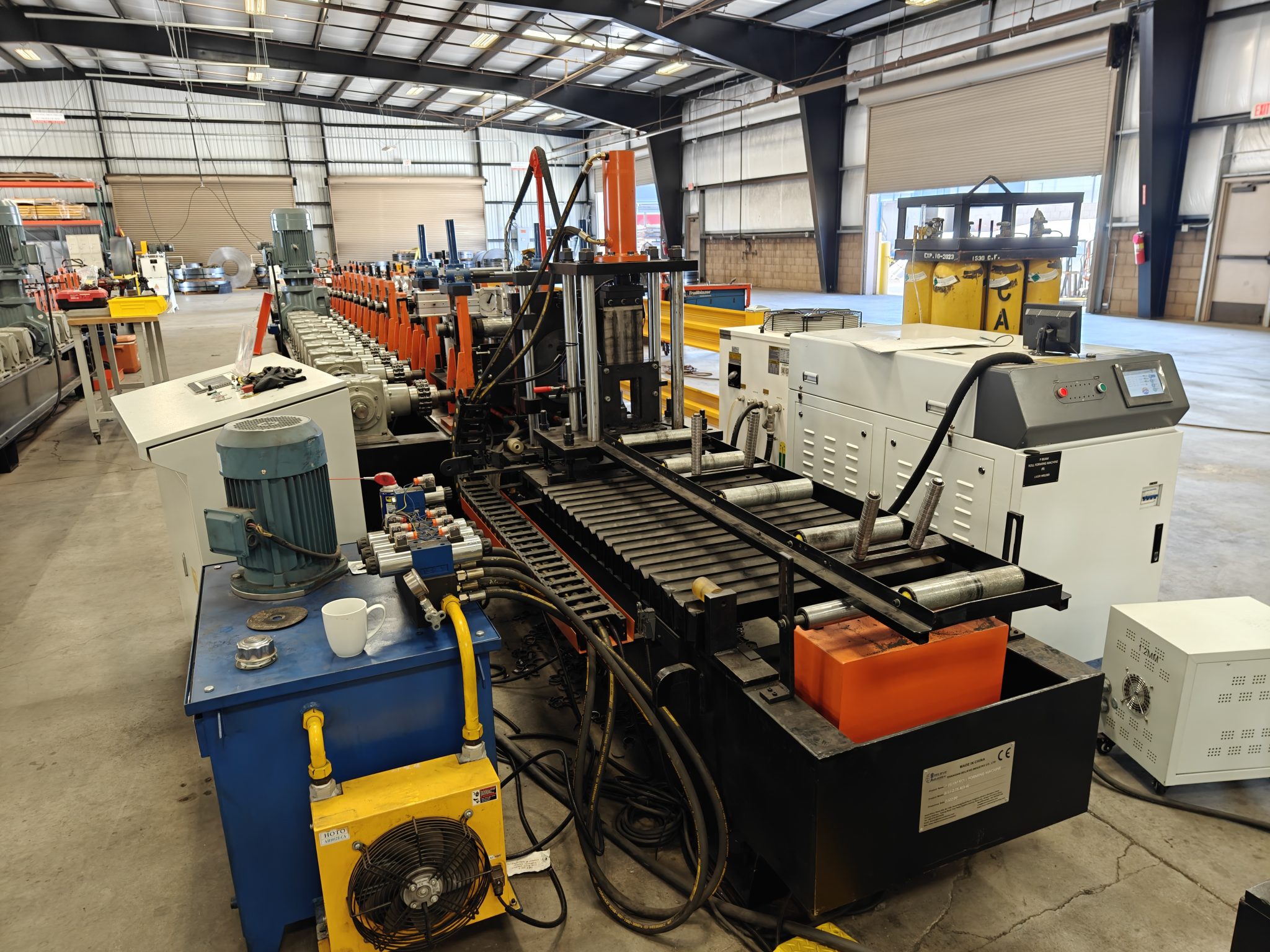
Schweißintegration (optional): Unsere Produktlinie integriert sich nahtlos. Laserschweißen Systeme für das kontinuierliche Hochgeschwindigkeitsschweißen des geschlossenen Strahlprofils, wodurch die Liniengeschwindigkeit im Vergleich zu Punktschweißalternativen deutlich gesteigert wird.
4. Fliegende hydraulische Schneideinheit
Technik: Adoptiert Fliegendes hydraulisches Schneiden um das fertige Trägerprofil präzise abzuscheren, während die Anlage in Bewegung ist.
Vorteil: Dieses Verfahren liefert sauberere, rechtwinkligere Balkenenden mit weit weniger Kletten und eine drastische Geräuschreduzierung im Vergleich zum herkömmlichen Sägen.
5. Intuitives SPS-Bedienfeld
System: Nutzt einen modernen Touchscreen HMI (Mensch-Maschine-Schnittstelle) integriert mit einer Hochleistungs- SPS.
Kontrolle: Die Bediener können Strahllängen einfach programmieren, Ausgabekennzahlen überwachen und Profilwechsel verwalten, was die Stufenprofilieranlage hochgradig anpassungsfähig und einfach zu bedienen.
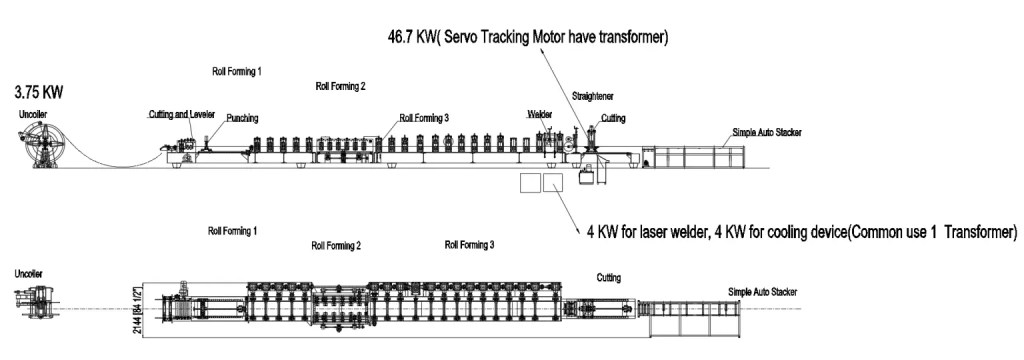
📊 Technische Spezifikationen der Stufenprofiliermaschine
I. Material- und Profilparameter
| Spezifikation | Standardsortiment | Optionen/Anpassung |
| Geeignetes Material | Kaltgewalzter Stahl (CR), verzinkter Stahl (GI), Kohlenstoffstahl | Edelstahl, Aluminium, PPGI (vorlackiertes verzinktes Eisen) |
| Materialstärke | 1,5 mm – 2,5 mm | Bis zu 3,0 mm oder 3,5 mm für Schwerlastanwendungen |
| Streckgrenze | 250 – 350 MPa | Hochfester Stahl (z. B. 500 MPa) auf Anfrage |
| Profilgröße | Gängige Stufenbalkenabmessungen (z. B. 90/100/120 * 70 mm) | Kundenspezifische Profile basierend auf Kundenzeichnungen (z. B. unterschiedliche Höhen/Breiten) |
II. Produktionskapazität und -geschwindigkeit
| Spezifikation | Standardsortiment | Optionen/Anpassung |
| Nominale Umformgeschwindigkeit | 10 – 15 m/min | Hochgeschwindigkeitsversionen: 20 m/min oder mehr (erfordert fortschrittlichen Antrieb/Schneiden) und aktualisierte Schweißlösung |
| Bahnhöfe bilden sich | 22 – 28 Durchgänge (abhängig von der Komplexität des Strahls) | Variabel, abhängig vom jeweiligen Trägerprofil. |
| Längentoleranz | ±1,0 mm (bei einer Länge von 10 m) | Engere Toleranzen (z. B. ±0,5 mm) mit Premium-Encoder/Fräser |
III. Maschinenkomponenten
| Komponente | Standardspezifikation | Optionen/Anpassung |
| Abwickler | 5-Tonnen-Abwickler (manuell/passiv) | Hydraulischer Abwickler, Doppelkopf-Abwickler (für die kontinuierliche Produktion) |
| Wellendurchmesser | Φ70 mm – Φ80 mm | Größerer Durchmesser für dickwandiges Material |
| Walzenmaterial | Hochwertiger GCr15-Wälzlagerstahl, gehärtet, mit Hartchrombeschichtung | SKD-11 oder andere Werkzeugstähle für extreme Verschleißfestigkeit |
| Antriebssystem | Kettenantrieb | Getriebeantrieb (bietet höhere Steifigkeit und Präzision) |
| Stanzsystem | Vorausklinker/Vorstanzer für Endverbindungslöcher | Flying-Post-Stanzsystem für komplexe Schlitze/Löcher entlang der Linie |
| Schneidsystem | Hydraulisches Sägen (Stop-to-Cut) | Fliegende hydraulische Schneidemaschine oder fliegende Sägeschneidmaschine (für hohe Geschwindigkeiten) |
| Schweißsystem | Einfaches Punktschweißen an der Naht (falls erforderlich) | Online-MIG/WIG-Schweißen (kontinuierlich), Laserschweißen (für unterbrechungsfreie, hochwertige Schweißnähte) |
IV. Steuerungs- und Stromversorgungssystem
| Spezifikation | Standardkonfiguration | Optionen/Anpassung |
| Steuerungssystem | SPS (z. B. Siemens, Panasonic) + Touchscreen-HMI | Premium-/Spezielle SPS-Marken (z. B. Allen-Bradley), Ferndiagnose |
| Hauptmotorleistung | 15 kW – 30 kW | Höhere Leistung für höhere Geschwindigkeiten oder dickere Materialien |
| Wechselrichter/Wandler | Yaskawa, Delta oder gleichwertig | Siemens, ABB oder andere Premiummarken |
| Elektrische Spannung | 380 V/50 Hz oder 480 V/60 Hz | Angepasst an die örtlichen Stromanforderungen |
🎯 Anwendungen und ROI: Warum Sie sich für unsere Stufenprofilieranlage entscheiden sollten?
Unsere Maschinen produzieren die hochpräzisen Profile, die für kritische Lagerstrukturen erforderlich sind:
Selektive Palettenregale: Die Kernanwendung besteht darin, dass ineinandergreifende Stufenträger die notwendige horizontale Unterstützung für schwere, palettierte Güter bieten.
Industrieregale: Herstellung von individuell anpassbaren, hochbelastbaren Trägern für Weitspannregale und industrielle Lagersysteme.
Zwischengeschoss: Herstellung von Tragbalken für den Bau sicherer, erhöhter Arbeitsplattformen und Lagerebenen.
Tiefspeichersysteme: Träger, die für Spezialsysteme geeignet sind wie Drive-In-/Drive-Through-Ständer für die Verwaltung großer Lagerbestände.
Entsprechend MHI-Branchenbericht 2023, Die Nachfrage nach modularen Palettenregalen und Lagersystemen stieg zwischen 2018 und 2023 um 221.030 Tonnen, angetrieben durch den Ausbau von E-Commerce-Lagern und die Verlagerung der Produktion in die Nähe des Marktes. Dieses Wachstum hat die Produktion von Hochgeschwindigkeits-Stufenträgern zu einer strategischen Priorität für Regalhersteller weltweit gemacht.
Warum Beli RollForming wählen?
6 Gründe, warum Sie mit uns zusammenarbeiten sollten
1. Über 20 Jahre Erfahrung im reinen Profilieren von Fahrzeugen Wir bauen keine Standardmaschinen. Alle Ressourcen fließen in die Kaltwalzprofilierung – das hat sich in über 20 Jahren Erfahrung in der Walzprofilkonstruktion und Tausenden von Produktionsläufen bewährt.
2. Komplettlösungen aus einer Hand Walzenpass-Design (FEA-optimiert) → SPS-Automatisierung mit HMI → hydraulisches Scheren und Stanzen → Inbetriebnahme vor Ort. Ein Team, eine Lieferung.
3. Über 50 Länder, jeder Standard 380V/50Hz, 440V/60Hz, 480V/60Hz — CE, UL, CSA — wir haben in über 50 Länder geliefert und kennen Ihre lokalen Anforderungen.
4. Benutzerdefinierte Profile in 7 Tagen Standardträger (90×70, 100×70, 120×70 mm) sind schnell lieferbar. Sonderanfertigungen? Wir erstellen Ihnen innerhalb von 7 Werktagen anhand Ihrer Zeichnungen ein detailliertes technisches Angebot inklusive 3D-Simulation.
5. Kundendienstreaktion innerhalb von 48 Stunden 80%-Probleme werden per Videodiagnose ferngesteuert behoben. Standard-Ersatzteile sind innerhalb von 3–5 Tagen versandfertig. Notfall? 24-Stunden-Service.
6. ROI-Berechnung vor dem Kauf Eine Amortisationsberechnung ist in jedem Angebot enthalten. Typische Amortisationszeit: 12–18 Monate.
Beli vs. Branchendurchschnitt
| Spezifikation | Beli RollForming | Branchendurchschnitt |
|---|---|---|
| Umformgeschwindigkeit | 10–20+ m/min | 6–10 m/min |
| Längentoleranz | ±0,5–1,0 mm | ±2,0–3,0 mm |
| Werkzeugwechsel | 2–4 Stunden | 4–8 Stunden |
| Materialstärke | 1,5–3,5 mm | 1,5–2,5 mm |
| Schneidemethode | Fliegende Scherung (kein Stopp) | Stopp und Schnitt |
| Schweißoptionen | Selbstverriegelung / Punkt / Laser | Selbstverriegelung oder Spot |
| Steuerungssystem | SPS + HMI + Rezepte | Grundlegende SPS |
| Garantie | 12–18 Monate | 12 Monate |
| Installation | Gratis (Erstbestellung) | Gegen Aufpreis |
| Ersatzteilversand | 3–5 Tage | 7–15 Tage |
| Fernunterstützung | Innerhalb von 48 Stunden | 3–7 Tage |
| Angebotszeit | Innerhalb von 48 Stunden | 1–2 Wochen |
Fotogalerie

📞 Fazit & Nächste Schritte
Die Stufenprofilwalzmaschinen von Beli RollForming vereinen hohe Produktionsgeschwindigkeit (10–20+ m/min), Flexibilität bei der Verarbeitung verschiedener Materialien und die Einhaltung internationaler Regalnormen – und sind damit die erste Wahl für Palettenregalhersteller, die sowohl den Inlands- als auch den Exportmarkt bedienen.
Sind Sie bereit, Ihre Palettenregalproduktion zu skalieren?
Kontaktieren Sie noch heute unser Team. Vereinbaren Sie jetzt ein persönliches Beratungsgespräch und ein individuelles Angebot. Lassen Sie uns gemeinsam Ihren Erfolg gestalten – kontaktieren Sie uns noch heute!
❓ Häufig gestellte Fragen (FAQ)
Die Hauptfunktion eines Stufenprofilieranlage Die Maschine dient der kontinuierlichen Kaltumformung von Flachstahlcoils zu dem spezifischen Strukturprofil für Stufenträger von Palettenregalen. Sie gewährleistet die Serienfertigung von Trägern mit den exakten Stufen- und Flanschabmessungen, die für eine sichere Verbindung mit vertikalen Ständerrahmen erforderlich sind und die notwendigen Tragfähigkeitsnormen erfüllen.
Unser Standard Stufenprofilieranlage Die Modelle sind in der Lage, Liniengeschwindigkeiten zwischen 4 und 6 Meter pro Minute (0–12 m/min) durch fliegendes Punktschweißen. Unser Hochleistungs-Stufenprofilieranlage für Balkenprofile mit kontinuierlichem Laserschweißen, das eine branchenführende Produktionsgeschwindigkeit von bis zu 20 Meter pro Minute (m/min).
Unsere Maschine ist für die Verarbeitung verschiedener Materialien ausgelegt, hauptsächlich Verzinkter Stahl und auch warmgewalzten (HR) oder kaltgewalzten (CR) Stahl. Die Standardmaschine kann Materialstärken von 1,2 mm bis 1,8 mm, wobei bei Bedarf auch schwerere Materialstärken für spezielle, anspruchsvolle Anwendungen realisiert werden können.
Die Stufe im Trägerprofil ist ein entscheidendes Konstruktionselement. Sie bietet eine Vertiefung zur Aufnahme von Holz, Drahtgitterböden oder eine ebene Montagefläche für die Palettenladung. Noch wichtiger ist jedoch, dass sie die präzise Schnittstelle schafft, die für das Einrasten des Trägerendverbinders in die Schlitze des Regalständers erforderlich ist. Dadurch werden die Tragfähigkeit und Stabilität des gesamten Lagersystems maximiert.
Ja, unsere Maschine verfügt über einen dedizierten Vorstanzkerben-Gerät. Dieses System stanzt präzise die benötigten Verbindungsschlitze und -löcher in das Material. vor Es gelangt in die Hauptwalzgerüste. Dieser Prozess gewährleistet Maßgenauigkeit und verhindert Verformungen des endgültigen Profils.
Wir bieten verschiedene fortschrittliche, geschlossene Lösungen zur Erzeugung eines nahtlosen Trägerprofils an, die die strukturelle Integrität und die Ästhetik verbessern. Zu diesen Optionen gehören: Selbstverriegelt, Punktschweißen (einschließlich Stoppschweißen und Flugschweißen) und Hochgeschwindigkeit Laserschweißen für einen durchgehenden Nahtverschluss.
Wir nutzen ein fliegende hydraulische Schneideinheit Denn es ermöglicht einen saubereren, leiseren und schnelleren Betrieb im Vergleich zum herkömmlichen Sägen. Hydraulisches Schneiden minimiert Grate und gewährleistet so glatte Enden der fertigen Stufenbalken, die den Sicherheits- und Qualitätsstandards entsprechen und gleichzeitig die Lärmbelastung in Ihrem Betrieb reduzieren.
Ja, die Maschine verfügt über flexible und verstellbare Werkzeuge. Dadurch können Hersteller effizient zwischen der Produktion von Trägern mit unterschiedlichen Flanschbreiten (z. B. 60–180 mm) und Höhen wechseln, ohne dass komplett neue Maschinen benötigt werden. Dies maximiert die Vielseitigkeit der Maschine und die Rentabilität der Investition.
Die Preisgestaltung richtet sich nach Konfigurationskomplexität und Leistungsanforderungen. Eine einfache Einzelprofil-Linie beginnt bei etwa 80,000–80,000–120.000 USD. Ein vollautomatisches Mehrprofilsystem mit Inline-Schweißen, fliegender Schere und SPS-Rezepturverwaltung kostet typischerweise zwischen 150,000–150,000–300.000 USD. Beli RollForming erstellt Ihnen innerhalb von 48 Stunden nach Erhalt Ihrer Profilzeichnungen und Produktionsmengenziele ein detailliertes Angebot.
Standardkonfigurationen benötigen ab Auftragsbestätigung ca. 45–60 Tage bis zum Versand. Komplexe Sonderanfertigungen mit speziellen Schweißverfahren oder Mehrprofilwerkzeugen können 60–90 Tage in Anspruch nehmen. Für Nachbestellungen oder dringende Projekte ist eine Expressproduktion (30–40 Tage) je nach Produktionskapazität möglich.
Ja. Beli RollForming liefert in über [X Länder] per Seefracht (Standard für komplette Produktionslinien, 30–45 Tage Laufzeit je nach Zielort) und Luftfracht (für dringende Ersatzteile, 5–7 Tage Laufzeit). Alle Maschinen werden in feuchtigkeitsgeschützten Kisten mit Stahlrahmenschutz verpackt. Die Lieferbedingungen CFR, CIF und DDP sind verfügbar – bitte geben Sie Ihre Präferenz bei der Angebotsanfrage an.
Die Standardzahlungsbedingungen sind: 301 TP3T Anzahlung bei Auftragsbestätigung, 601 TP3T vor Versand (nach Werksinspektion per Video oder vor Ort) und 101 TP3T nach erfolgreicher Inbetriebnahme beim Käufer. Zahlungsmethoden sind T/T (Banküberweisung), L/C (Akkreditiv) und in einigen Fällen PayPal oder Western Union für kleinere Zubehörbestellungen.
Ja. Beli RollForming fertigt individuelle Rollformprofile nach Ihren technischen Zeichnungen. Dies umfasst Sonderstufenhöhen, kundenspezifische Hakenprofile für patentierte Ständersysteme, mehrstufige Profile und asymmetrische Querschnitte. Die Konstruktion kundenspezifischer Werkzeuge verlängert die Lieferzeit in der Regel um 7–15 Tage. Vor Produktionsbeginn erhalten Sie eine 3D-Profilsimulation zur Freigabe.
Stufenträgeranlagen sind im Allgemeinen 15–301 TP3T teurer als einfache Regalträgeranlagen, da die komplexeren Formgebungsschritte und die integrierte Vorstanzung für das ineinandergreifende Stufenprofil erforderlich sind. Stufenträger erzielen jedoch einen höheren Marktpreis pro laufendem Meter, und eine einzelne Stufenträgeranlage kann oft mehrere Trägerbreiten mit Schnellwechselwerkzeugen produzieren – was Herstellern im Palettenregalsegment eine bessere Kapitalrendite bietet.
Standardtoleranzmöglichkeiten einer präzise kalibrierten Beli-Rollformanlage:
| Dimension | Standardtoleranz | Premium (mit Encoder-Upgrade) |
|---|---|---|
| Länge | ±1,0 mm | ±0,5 mm |
| Abschnittshöhe | ±0,3 mm | ±0,2 mm |
| Abschnittsbreite | ±0,5 mm | ±0,3 mm |
| Lochposition | ±0,5 mm | ±0,3 mm |
| Geradheit | ≤1,0 mm/m | ≤0,5 mm/m |
Die Toleranzen werden bei der werkseitigen Inbetriebnahme überprüft und im Prüfzertifikat dokumentiert, das jeder Maschine beiliegt.
Ja. Beli RollForming-Maschinen sind für die modulare Integration ausgelegt. Typische Integrationsszenarien sind: das Hinzufügen einer Stufenbalkenlinie nach einem bestehenden Abwickler und Coil-Zuführungssystem; die Anbindung an automatisierte Stapel- und Verpackungsanlagen über ein Förderband; und die Verbindung mit einem zentralen SCADA- oder MES-System über das OPC-UA- oder Modbus-TCP-Protokoll. Die Spezifikationen der elektrischen Schnittstelle werden in der Engineering-Phase bereitgestellt, um sie an Ihre bestehende Infrastruktur anzupassen.
Eine Standard-Stufenprofilieranlage benötigt einen dreiphasigen Industriestromanschluss. Die typische Gesamtleistungsaufnahme liegt je nach Konfiguration (Profilierstationen, Schweißen, Schneiden) zwischen 45 und 75 kW. Beli RollForming konfiguriert das elektrische System standardmäßig für 380 V/50 Hz; für die Märkte in Nordamerika, dem Nahen Osten und Südostasien sind Optionen mit 440 V/60 Hz und 480 V/60 Hz verfügbar. Für die pneumatische Spannvorrichtung und den Zylinderbetrieb wird außerdem eine separate Druckluftversorgung (0,6–0,8 MPa, ca. 0,5 m³/min) benötigt.
Für ein typisches Stufenprofil sind 28–36 Umformstationen (Walzgerüste) erforderlich, um den gewünschten Querschnitt zu erzielen. Die genaue Anzahl hängt von der Profilkomplexität, der Materialstärke und der Streckgrenze ab. Beli RollForming führt während der Werkzeugkonstruktionsphase Finite-Elemente-Analysen (FEA) durch, um die Anzahl der Stationen zu optimieren und die Materialspannung zu minimieren. Dadurch wird das Risiko von Rückfederung, Kantenverformung oder Wölbungsfehlern reduziert.
Beli RollForming bietet für die erste bestellte Produktionslinie eine kostenlose Installationsüberwachung und Inbetriebnahme vor Ort. Ein erfahrener Techniker reist für in der Regel 5–10 Werktage zu Ihnen (Reise- und Übernachtungskosten trägt der Käufer), um die mechanische und elektrische Einrichtung abzuschließen, eine Testproduktion mit Ihrem Material durchzuführen, die Toleranzen gemäß Spezifikation zu kalibrieren und Ihre Bediener in der täglichen Bedienung, den Wartungsverfahren und der Fehlerbehebung zu schulen.
Die Ausbildung umfasst drei Stufen:
- Grundlegende Bedienung – Spulenbeladung, Maschinenstart/-abschaltung, Drehzahlregelung und Not-Aus-Verfahren;
- Produktionsmanagement – Auswahl von Profilrezepten über HMI, Werkzeugwechsel, Qualitätsprüfungspunkte und Produktionsprotokollierung;
- Wartung – täglicher Schmierplan, Überprüfung der Walzenausrichtung, Inspektion des Schneidmessers und Auslesen von SPS-Fehlercodes. Schulungsunterlagen werden in englischer Sprache bereitgestellt, und Videoaufzeichnungen der Schulungen stehen für die spätere Einarbeitung neuer Bediener zur Verfügung.
Beli RollForming gewährt eine 12-monatige Garantie ab dem Datum der erfolgreichen Inbetriebnahme (oder 18 Monate ab dem Datum des Frachtbriefs, je nachdem, welches Datum zuerst eintritt). Die Garantie deckt Herstellungsfehler an mechanischen und elektrischen Komponenten (Motoren, Antriebe, SPS) sowie Hydrauliksystemen ab. Sie deckt keine Verschleißteile (Schneidmesser, Formwalzen nach normalem Verschleiß, Stempel) oder Schäden ab, die durch unsachgemäße Bedienung, ungeeignetes Material oder nicht autorisierte Änderungen verursacht wurden. Garantieverlängerungen auf 24 oder 36 Monate sind gegen Aufpreis erhältlich.
Standard-Ersatzteile (Lager, Dichtungen, Sensoren, Hydraulikventile, Pneumatikzylinder) sind in der Regel ab Lager verfügbar und werden innerhalb von 3–5 Werktagen per internationalem Kurier (DHL/FedEx) versandt. Kundenspezifische Bauteile (Ersatz-Formwalzen, kundenspezifische Stempel) benötigen eine Fertigungszeit von 10–20 Tagen. Beli RollForming liefert mit jeder Maschine eine empfohlene Ersatzteilliste für die ersten 12 Betriebsmonate. Für dringende Störungen steht ein 24-Stunden-Notdienst für kritische Komponenten zur Verfügung.



Rezensionen
Es gibt noch keine Rezensionen.