Stay Updated with Believe Industry News


24K subscribers
Subscribe today for exclusive roll forming guides, industry trends, and first access to our latest innovations—all delivered to your inbox.

Stay in the loop with Believe Industry’s expert insights!
Roll Forming Machine VS Press Brake

roll forming machine vs press brake

Introduction

When it comes to metal fabrication, two of the most versatile machines are ​roll forming machines​ and ​press brakes. Choosing between a roll forming machine VS press brake can make or break your production efficiency—both tools bend metal, but their workflows, capabilities, and ideal use cases are worlds apart.

In this guide, we’ll break down everything you need to know: core differences, applications, selection criteria, and how Beli RollForming (a leading manufacturer in China) supports your choice. By the end, you’ll have a clear roadmap to pick the machine that aligns with your business goals.

What Are Roll Forming Machines VS Press Brakes?

Before comparing, let’s define each machine’s purpose:

Roll Forming Machines

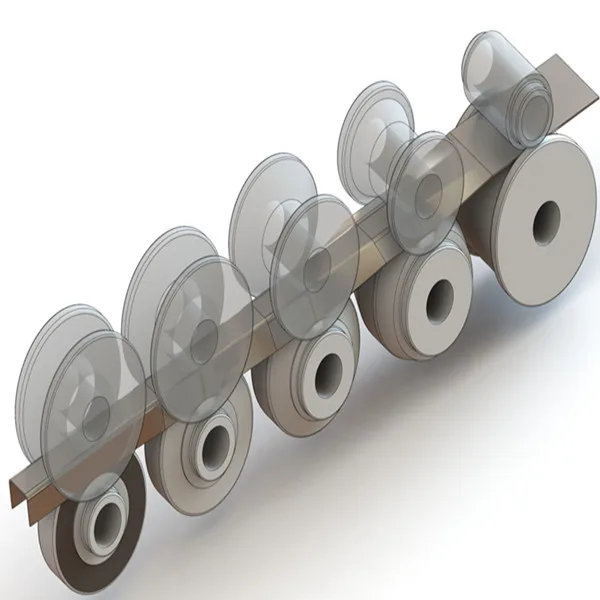
A roll forming machine uses ​progressive roller dies​ to continuously bend long metal strips (steel, aluminum, stainless steel) into uniform profiles. The process is high-speed and repeatable—ideal for producing long, consistent parts like roofing sheets or automotive door frames.

 roll forming machine model 1

Press Brakes

A press brake uses a hydraulic or pneumatic ram to bend sheet metal into angles, curves, or custom shapes. It’s a batch-process machine, perfect for low-to-medium volume production (e.g., prototypes, brackets, or furniture frames).

Press Brake Bending Calculator

Roll Forming Machine VS Press Brake: 5 Core Differences

The choice between these machines hinges on 5 critical factors. Let’s dive in:

1. Process Type: Continuous Production vs. Batch Processing

Roll forming is ​continuous: Metal feeds through the machine non-stop, with dies shaping it incrementally. This makes it ideal for high-volume runs (10,000+ parts).

Press brakes are ​batch-based: Operators load/unload sheets one at a time. They’re better for small batches or frequent design changes.

2. Volume & Efficiency: High Throughput vs. Flexibility

Roll formers excel at ​high-volume efficiency: Once set up, they produce identical parts at speeds up to 100 feet per minute.

Press brakes prioritize ​flexibility: They handle custom shapes quickly but slow down for large orders (since each part requires manual adjustment).

3. Part Complexity: Simple Long Profiles vs. Complex Short Parts

Roll forming is limited to ​simple, elongated shapes: Think C-channels, U-profiles, or flat bars. It struggles with complex bends or short pieces.

Press brakes thrive at ​complex geometries: They can create multiple bends, dimples, or embossed patterns in short parts (e.g., a bracket with 3 angles).

4. Tooling Cost: High Upfront vs. Low Investment

Roll forming tooling is ​expensive: Custom dies for long profiles can cost 50k. But they last decades for consistent production.

Press brake tooling is ​affordable: Standard punches/dies cost 5k, making it easy to switch between parts.

5. Operator Skill: Low Training vs. High Expertise

Roll formers require ​minimal training: Once set up, they run automatically. Operators just monitor for errors.

Press brakes need ​skilled operators: They must calculate bend allowances, adjust ram depth, and troubleshoot inconsistencies—tasks that take months to master.

Wanna know more information of Press Brake? Press Brake Advantages and Disadvantages: A Comprehensive Guide

How to Choose Between a Roll Forming Machine and Press Brake

Use this checklist to make your decision:

  1. Production Volume: High (>10k parts/year)? Choose roll forming. Low (<1k)? Choose press brake.

  2. Part Shape: Long, simple profiles? Roll forming. Short, complex shapes? Press brake.

  3. Tooling Budget: Can you invest $10k+ in dies? Roll forming. Need low upfront costs? Press brake.

  4. Design Changes: Frequent updates? Press brake. Fixed designs? Roll forming.

Pro Tip: Many manufacturers use both machines—roll formers for bulk parts, press brakes for custom components. Beli RollForming can help you integrate both into your workflow!

Learn How to buy a Roll Forming Machine↗

What Does Beli RollForming Offer for Roll Forming Machines and Press Brakes?

As a ​China-based manufacturer and exporter​ of roll forming machines and press brakes, Beli delivers:

Custom Solutions

We tailor roll formers to your material (steel, aluminum, copper) and profile needs—from simple C-channels to complex roofing trusses. Our press brakes come with CNC controls for precision bending.

Quality Certifications

All machines meet CE, ISO 9001, and SGS standards. We use heavy-duty steel frames to ensure durability.

Global Support

We’ve exported to 30+ countries (USA, Europe, Southeast Asia) and offer installation, training, and 24/7 maintenance.

Competitive Pricing

As a direct manufacturer, we cut out middlemen—saving you 15–20% vs. distributors.

Learn more: Beli Roll Forming Machines| Beli Press Brakes

10x FAQs About Roll Forming Machine VS Press Brake

​Can a press brake replace a roll forming machine?​​

No—for high-volume, long-profile production, roll formers are 10x faster. Press brakes are better for small batches.

​Which is cheaper: roll forming or press brake?​​

Press brakes have lower upfront costs, but roll formers save money over time for large orders.

​What materials work best with roll forming?​​

Steel, aluminum, stainless steel, and copper—any material with consistent thickness.

How long does it take to set up a roll forming machine?​

1–2 days for custom dies. Once set up, it runs unattended.

Can press brakes handle thick metal?​

Yes—hydraulic press brakes can bend up to 1-inch steel.

What’s the lead time for a Beli roll forming machine?​

4–6 weeks for standard models; 8–12 weeks for custom designs.

Do press brakes require more maintenance?​

No—roll formers have more moving parts (dies, rollers) that need regular lubrication.

​Which machine is better for producing 10-foot-long roofing sheets?​​

Roll forming—its continuous process ensures uniformity and speed.

Can Beli help me test my part design?​

Yes—we offer free prototype testing to ensure your part works with our machines.

Why Choose Beli RollForming for Your Metal Fabrication Needs?

Choosing Beli means partnering with a ​manufacturer that understands your challenges:

  • Expert Team: 15+ years of experience in roll forming and press brake design.

  • Customization: We build machines for yourspecific materials and parts.

  • Global Reach: 100 clients in 30 countries trust our products.

  • After-Sales Support: We’re with you from installation to maintenance.

Ready to decide?​​ Contact Beli today for a free consultation: Beli Contact Page

Conclusion

Choosing between a ​roll forming machine VS press brake​ isn’t about which is “better”—it’s about which fits your production goals. Roll formers dominate high-volume, simple parts; press brakes shine at low-volume, complex designs.

As a leading manufacturer, Beli RollForming delivers the machines, expertise, and support you need to succeed. Whether you need a custom roll former or a precision press brake, we’re here to help you scale your business.

Next Step: Request a Quote for Beli Roll Forming Machines

Table of Contents

Discover more from Roll Forming Machine

Subscribe now to keep reading and get access to the full archive.

Continue reading