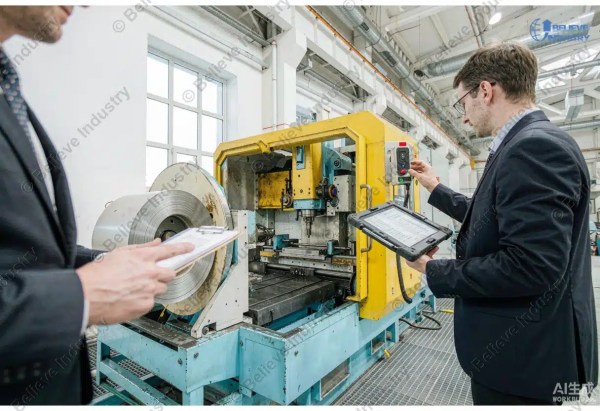










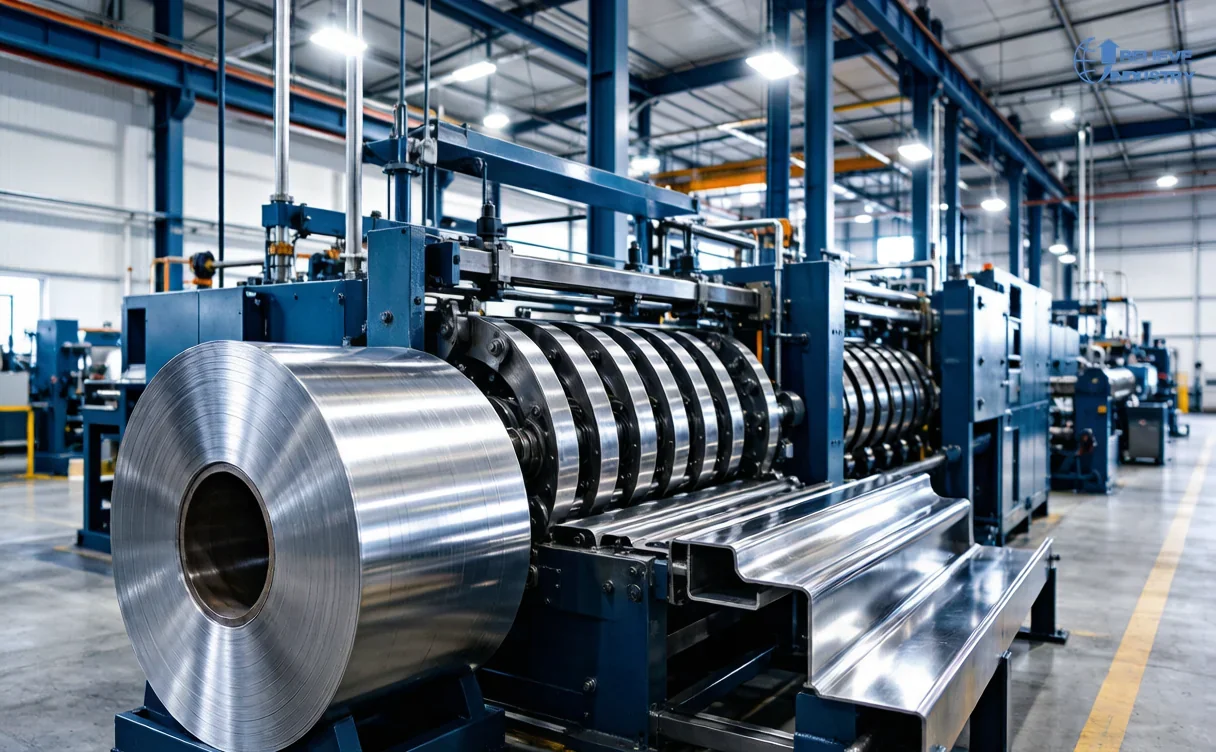
A roll forming machine performance guarantee is the single clause that separates a smooth commissioning from a year of finger-pointing. Over 15 years and 20+ countries, Beli has seen buyers win or lose ROI on the fine print of the guarantee, not the nameplate. A weak guarantee turns a slow line into a silent loss, because the gap between promised and actual output shows up only after the final payment clears. This buyer checklist covers the 7 contract clauses you should insist on before signing, so the roll forming machine you receive meets the speed, tolerance, and output you paid for.
What a Roll Forming Machine Performance Guarantee Actually Covers
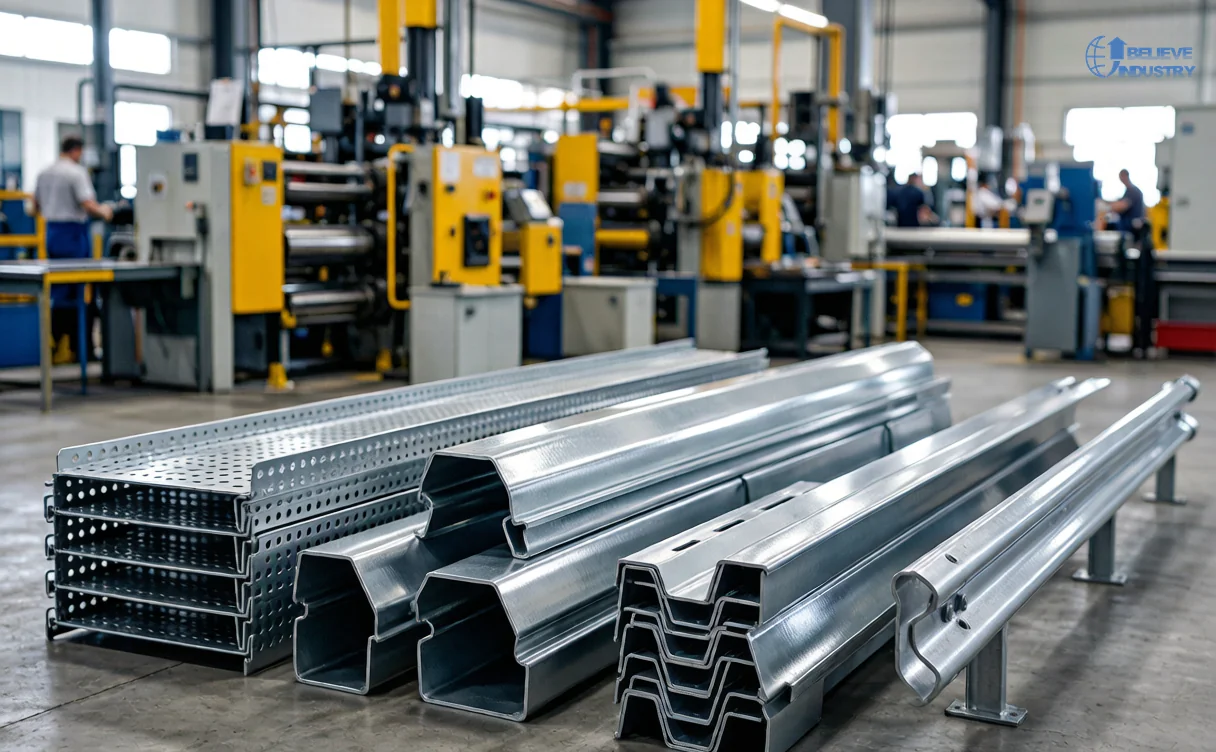
A performance guarantee is a contractual commitment that the roll forming line will hit measurable output targets: production speed, profile tolerance, and acceptance yield. It is different from a warranty. A warranty covers defective parts and repair labor. A performance guarantee covers whether the machine actually performs. If you only negotiate the warranty and skip the guarantee, you can end up with a machine that runs, but never at the rate your business case assumed.
For reference, tolerance language should map to real standards. Cold-formed steel sections are governed by EN 10162 in Europe and ASTM A653 for coated sheet stock in North America. Citing the standard in the guarantee removes ambiguity about what “in spec” means. It also gives both sides a shared ruler, so a dispute becomes a measurement, not an argument. For racking profiles, EN 15512 sets the structural reference that the tolerance clause should align with. Industry guides such as O Fabricante e AISI reinforce the same point: acceptance evidence, not the nameplate, protects the buyer.
The 7 Clauses Every Buyer Should Put in the Contract
Use this as your procurement checklist. Each clause should carry a number, not a vague promise.
- Guaranteed production speed. State the rated line speed for your material range, for example ≥ 25 m/min for 0.8 to 2.0 mm steel at full profile depth. Speed must be measured at acceptance, not on a bare shaft.
- Dimensional tolerance guarantee. Guarantee ±0.3 mm across the profile width, verified per EN 10162 or ASTM A653 on the acceptance sample. List the critical dimensions by name.
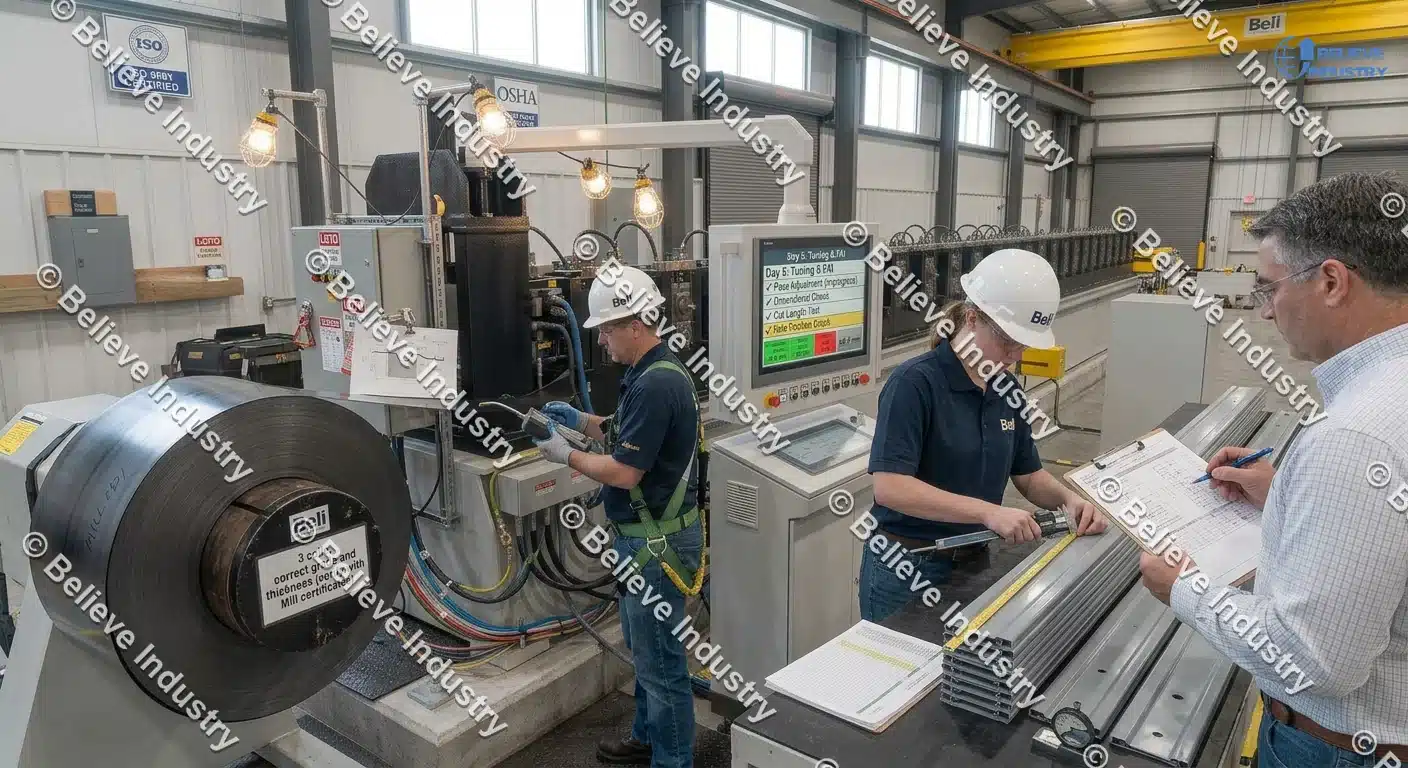
- Acceptance test protocol. Require a documented run of 3 consecutive 8-hour shifts at rated speed with reject rate below 2% before sign-off. No acceptance run, no final payment.
- OEE and uptime guarantee. Include ≥ 85% OEE across the first 12 months as a realistic, enforceable target, measured with your own counters.
- Throughput and yield guarantee. Specify material utilization ≥ 97% so scrap does not quietly erase margin on a roll forming line.
- Spare parts and response time. Bind critical spares delivery to 72 hours and on-site service to 5 days, with named stock-keeping units.
- Liquidated damages for shortfall. State 1 to 2% of contract value per week the machine misses guaranteed metrics, or rework at supplier cost. Without this, the guarantee is a wish.
Guarantee vs Warranty: Know the Difference
Buyers often confuse the two and leave money on the table. The table below shows where each protects you.
| Aspect | Performance Guarantee | Garantia |
|---|---|---|
| Covers | Speed, tolerance, yield, OEE | Defects, parts, labor |
| Triggered by | Missed output target | Component failure |
| Measured at | Acceptance test, first 12 months | Failure event |
| Buyer proof | Production logs, gauges | Failure report |
| Typical remedy | Liquidated damages, rework | Free repair or replacement |
A complete contract has both. The guarantee proves the roll forming machine earns its keep; the warranty keeps it running.
What to Push For vs What Suppliers Resist
Negotiation is where the performance guarantee is won or watered down.
| Clause | Push for | Supplier may resist with |
|---|---|---|
| Velocidade | Rated speed on your material | “Typical” or “theoretical” speed |
| Tolerância | Named dimensions, ±0.3 mm | General “within industry standard” |
| Acceptance | 3×8h shifts, <2% reject | Short demo run only |
| Damages | 1 to 2% per week | “We will fix it” (no penalty) |
If a supplier avoids putting numbers on paper, treat it as a flag. Our guide on roll forming machine purchase red flags lists the other warning signs to watch before you commit.
Red Flags When a Supplier Avoids Guarantees
A confident roll forming machine builder quotes guarantees without hesitation. Watch for vague speed claims, refusal to name tolerance standards, or a warranty used as a substitute for a guarantee. Before you visit, our factory audit checklist helps you verify capability on site. And when you issue the inquiry, use our roll forming machine RFQ guide so the guarantee terms are clear from the first email.
Plan the guarantee into the commissioning checklist too. Acceptance is the moment the guarantee is proven, and a 7-day startup plan keeps that evidence clean. For the full technology picture, start from our pillar guide on the máquina de perfilagem de rolos.
Perguntas frequentes
1. What is a roll forming machine performance guarantee? A roll forming machine performance guarantee is a contractual commitment that the line will meet specified output, speed, and tolerance metrics, distinct from a parts warranty that only covers defects.
2. How is a performance guarantee different from a warranty? A warranty covers defects and repair labor, while a performance guarantee covers measurable output targets such as production speed and profile tolerance that the roll forming machine must achieve.
3. What production speed should a performance guarantee specify? Specify rated speed for your material range, for example ≥ 25 m/min for 0.8 to 2.0 mm steel, measured during the acceptance test rather than on a bare shaft.
4. What tolerance should be guaranteed on formed profiles? Guarantee ±0.3 mm across the profile width per EN 10162 or ASTM A653, verified on the acceptance sample with named critical dimensions.
5. What is an acceptance test for a roll forming machine? An acceptance test is a documented run of 3 consecutive 8-hour shifts at rated speed with reject rate below 2% before the buyer signs off and releases final payment.
6. What OEE should a guarantee include? Include ≥ 85% OEE over the first 12 months as a realistic, enforceable target, measured with the buyer’s own production counters.
7. What happens if the machine misses guaranteed metrics? The contract should state liquidated damages, typically 1 to 2% of contract value per week of shortfall, or rework at the supplier’s cost until the roll forming line complies.
8. Should spare parts response time be in the guarantee? Yes. Specify critical spares within 72 hours and on-site service within 5 days, with named stock-keeping units so the commitment is auditable.
9. Can I negotiate guarantees on a used roll forming line? Yes, but base them on a third-party inspection and a defined acceptance run rather than the original nameplate, since wear changes real performance.
10. Which standards support tolerance guarantees? Cite EN 10162 for cold-formed steel sections, ASTM A653 for coated sheet, and EN 15512 where the roll formed profiles feed racking systems.
Conclusão
A roll forming machine performance guarantee is not paperwork; it is the buyer’s backbone. Insist on all 7 clauses: speed, tolerance, acceptance, OEE, yield, spares, and liquidated damages. Pair the guarantee with a clear warranty, a tight acceptance test, and a clean commissioning record, and the roll forming line will pay back on the numbers you negotiated, not the ones you hoped for.
Last updated: 2026-10-02
Registro de alterações do artigo
- 2026-10-02: Generated #296 performance guarantee, 7-clause procurement checklist angle.
Próximos gatilhos de revisão
- New EN 10162 or ASTM A653 revision affecting tolerance language.
- Shift in typical line-speed or OEE benchmarks for roll forming lines.
- Addition of a used-equipment guarantee clause to the buyer workflow.