










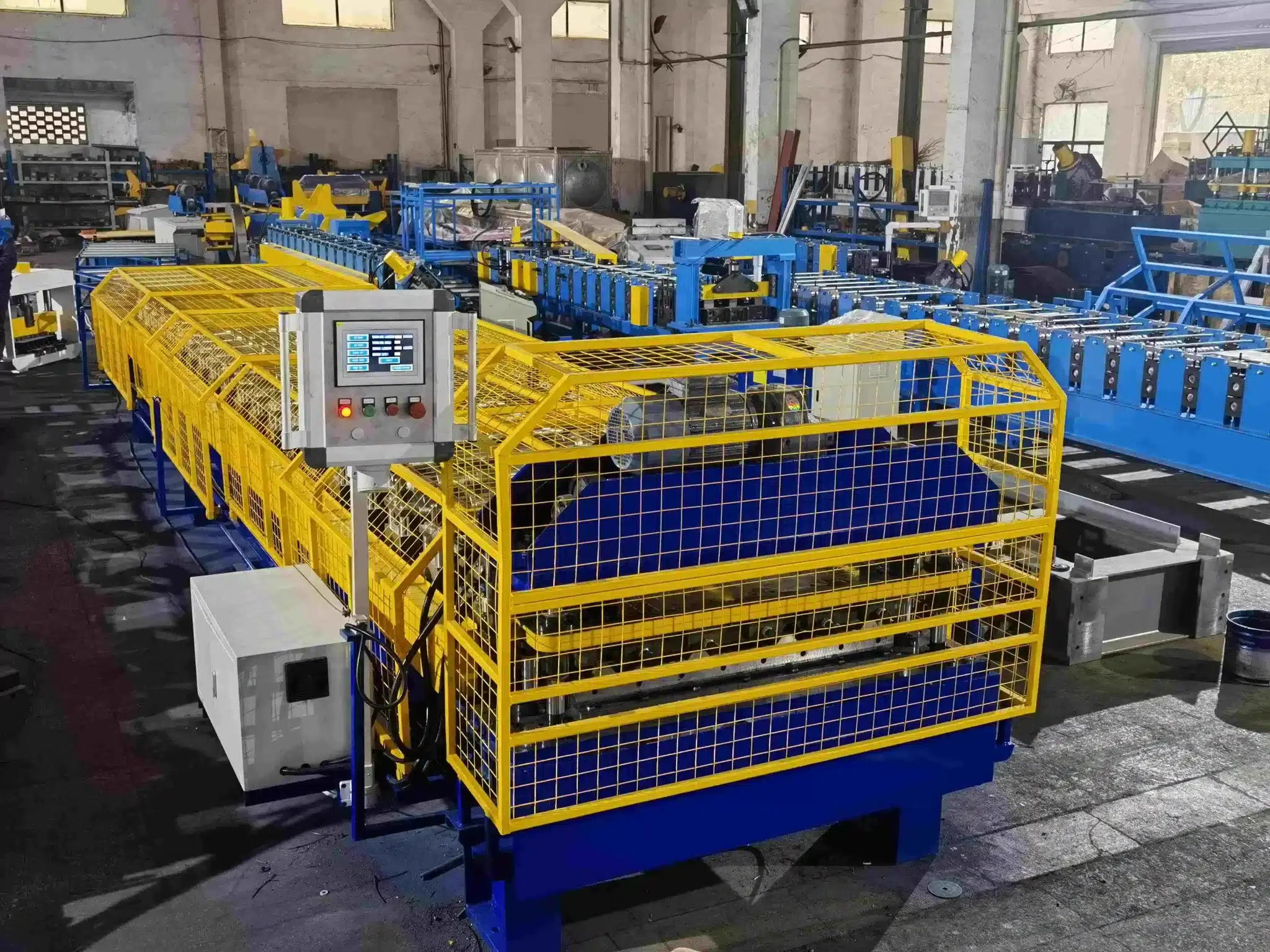
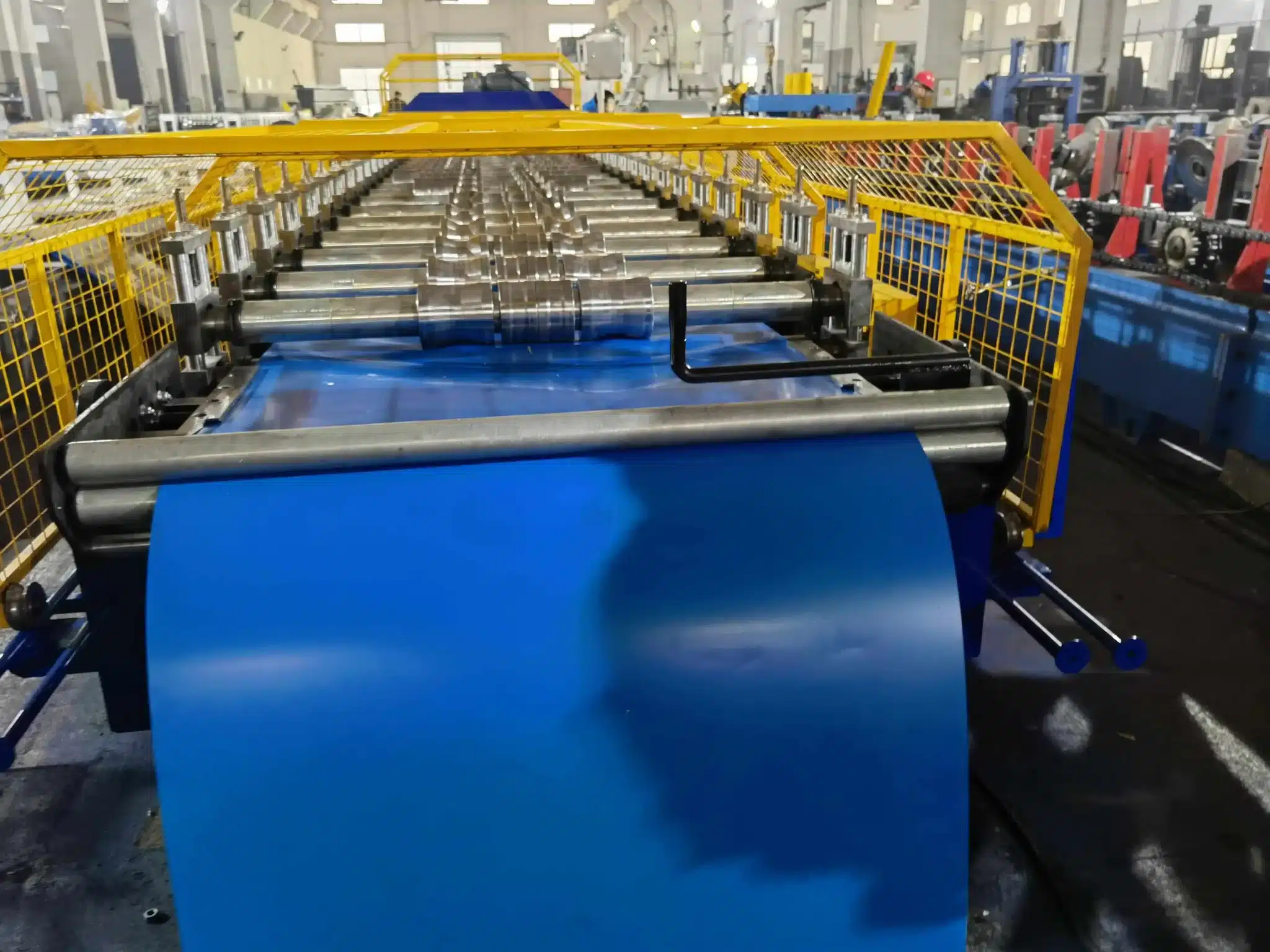
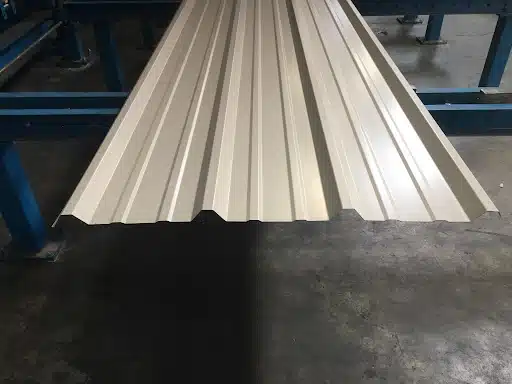

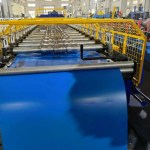
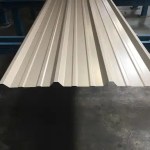
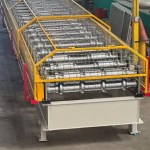
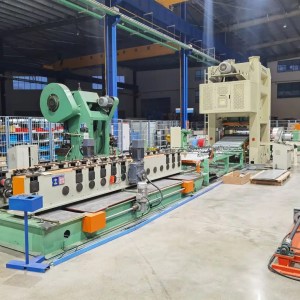
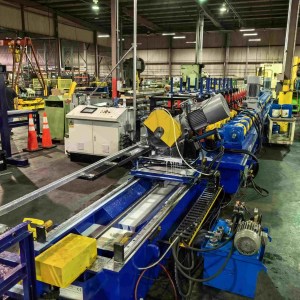
OMáquina de perfilagem de painéis PBRA perfiladeira é um pilar da fabricação moderna de metal, projetada para otimizar a produção de painéis PBR — chapas metálicas versáteis e duráveis, amplamente utilizadas em telhados, revestimentos e construção. Se você busca uma máquina que combine precisão, velocidade e custo-benefício, esta perfiladeira é a solução. Vamos explorar o que a torna indispensável.
O que é um painel PBR?
Painel PBR – um perfil com nervuras mais altas, ideal para construções metálicas pré-fabricadas. Os painéis R oferecem alta resistência, um perfil atraente e desempenho duradouro. Fabricados em calibre 26 e disponíveis em 22 cores padrão em calibre 26. Disponíveis em calibre 24 e 22 sob encomenda. A inclinação mínima recomendada é de 1:12 com selante. Saiba mais

O que é uma máquina de perfilagem de painéis PBR?
A confiabilidade de uma máquina de perfilagem PBR depende diretamente da qualidade de seus componentes individuais. Essas peças especializadas trabalham em harmonia para transformar bobinas de metal bruto em painéis PBR nervurados e duráveis — essenciais para coberturas, revestimentos e construção civil. Vamos analisar os componentes fundamentais que fazem dessa máquina um pilar da fabricação moderna de metais.
Desbobinador: A base da alimentação de materiais
Guias de entrada: alinhando para precisão
Conjuntos de rolos: Moldando o perfil PBR
Estação de Formação: Precisão em Movimento
Sistema de corte: Obtendo comprimentos exatos
Sistema de Controle: O Cérebro da Automação
Calculadora de carga para telhados de aço dos EUA
O Calculadora de carga para telhados de aço dos EUA é uma ferramenta técnica projetada para estimar as pressões de elevação do vento e as forças estruturais que atuam em um telhado metálico. Ela é calibrada especificamente para o mercado dos Estados Unidos, utilizando ASCE 7 (Sociedade Americana de Engenheiros Civis) Normas simplificadas para cargas de vento.
Principais características:
6 perfis comuns nos EUA: Permite aos usuários selecionar entre os painéis americanos mais utilizados, incluindo Painel PBR/R, Ondulado, e Costura mecânica Costura vertical.
Ajuste de velocidade e altura do vento: Leva em consideração as velocidades do vento localizadas (MPH) e a altura média do telhado do edifício para calcular a pressão de velocidade ($q_z$).
Contexto ambiental: Os usuários podem selecionar Categorias de exposição (B, C ou D) para refletir se o edifício está em uma área suburbana protegida, em campos abertos ou em uma zona costeira com ventos fortes.
Análise Zonal: Ele calcula cargas específicas para diferentes áreas de telhado, reconhecendo que Cantos (Zona 3) e Bordas (Zona 2) enfrentam forças de sucção significativamente maiores do que o centro do telhado.
Calculadora de carga para telhados de aço dos EUA
Diferentes soluções opcionais da máquina
Existem vários tipos de desenroladores para perfiladeiras de painéis PBR.
- Desbobinador manual e passivo de 5 toneladas
- Desbobinador hidráulico de 5 toneladas com ou sem carro para bobinas
- Desbobinador hidráulico de 7,5 toneladas com carro para bobinas e braço de suporte.
- Desbobinador hidráulico de 10 toneladas com carro para bobinas e braço de suporte.
A conformação por rolos é o principal componente da máquina, que inclui diferentes designs para diferentes requisitos:
- Estrutura: Chapa de aço soldada, suportes de ferro fundido.
- Acionamento: Corrente e roda dentada, caixa de engrenagens e junta
- Camada simples ou camada dupla
Existem 3 soluções principais de corte para máquinas de terças:
- Pré-corte: Corte a bobina em folhas antes da conformação por rolos e utilize uma esteira de transferência para aumentar a velocidade da linha para 50-60 m/min.
- Corte hidráulico posterior: padrão
- Corte elétrico posterior: o movimento de corte é mais rápido.
- Corte em movimento: A máquina de perfilagem funciona continuamente durante o corte para aumentar a velocidade.
Especificações principais
| Recurso | Especificações |
|---|---|
|
Dimensões do painel PBR |
Cobertura de 36 polegadas |
|
Espessura |
calibre 22-24 |
|
Material |
PPGI, PPGL. GI, GL |
|
Formando Stands |
20-24 |
|
Potência do motor |
11-15 KW |
|
Material do rolo |
Aço 1045, dureza Rockwell C de 58-62, superfície cromada. |
|
Velocidade da linha |
50-70 FPM (Padrão) |
Perguntas mais frequentes
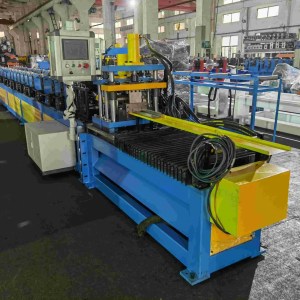
Uma máquina de perfilagem de painéis PBR é uma linha de produção industrial automatizada que molda continuamente bobinas de metal plano em painéis PBR (Purlin Bearing Rib). Esses painéis apresentam nervuras principais de 1-1/4" de profundidade, espaçadas a cada 12 polegadas, e são amplamente considerados o padrão da indústria para coberturas e revestimentos metálicos comerciais e industriais devido à sua excepcional resistência e durabilidade.
Embora ambas as máquinas produzam painéis com a mesma altura de nervura de 1-1/4″ e espaçamento de 12″, as ferramentas da máquina PBR são projetadas especificamente para formar uma borda sobreposta assimétrica. O painel PBR apresenta uma aba estendida (a aba de apoio da terça) em um dos lados, que se apoia diretamente na estrutura do telhado (terça). Isso proporciona suporte estrutural superior e uma vedação mais firme e resistente às intempéries em comparação com um painel R padrão.
Como os painéis PBR são amplamente utilizados em sistemas de cobertura estruturais com fixação passante, a Máquina de Conformação de Painéis PBR é essencial.
É projetada para processar materiais de alta resistência. Os insumos comuns incluem:
Aço pré-pintado (revestido com cor)
Galvalume e aço galvanizado. A espessura típica do material processado varia de Calibre 26 a calibre 22 (aproximadamente 0,45 mm a 0,8 mm).
Ao contrário de um painel R padrão, a aba sobreposta estendida do painel PBR exige mais material para ser moldada corretamente. Para atingir o padrão da indústria. 36 polegadas de cobertura final, Uma máquina de perfilagem de painéis PBR normalmente requer uma largura específica de bobina de matéria-prima — mais comumente 41-9/16 polegadas ou 43 polegadas, dependendo do projeto exato da ferramenta. Alimentar com a largura errada resultará em uma aba de apoio da terça incompleta.
A formação de uma nervura mais profunda em um lado do painel do que no outro pode fazer com que o metal se curve ou torça ao passar pela máquina. Para evitar isso, as perfiladeiras PBR utilizam estações de rolos cromadas de alta precisão com degraus usinados com exatidão. Os rolos puxam o metal incrementalmente do centro para fora, mantendo a tensão uniforme em toda a largura da chapa para garantir um painel perfeitamente reto.
Toda a máquina de perfilagem de painéis PBR é automatizada por meio de um PLC (Controlador Lógico Programável) e uma interface de tela sensível ao toque (IHM). Os operadores simplesmente inserem o comprimento exato necessário para cada painel e o número total de peças necessárias para o projeto de construção. A máquina alimenta automaticamente o metal, molda o perfil, mede o comprimento e para para cortar com precisão milimétrica.
O corte das nervuras profundas de 1-1/4″ e da aba de apoio da terça estendida requer um mecanismo de corte especializado. A máquina utiliza um tesoura hidráulica de corte de postes Equipadas com matrizes superior e inferior em aço Cr12MoV, essas lâminas de corte são usinadas com precisão em CNC para corresponder exatamente à topografia 3D do perfil PBR final. Durante o corte, as matrizes envolvem completamente as nervuras, cortando o metal de forma limpa, sem achatar ou deformar as extremidades.
Para garantir que a máquina de perfilagem de painéis PBR produza painéis sem riscos e funcione sem problemas, os operadores devem:
Limpe regularmente os rolos de conformação para remover pó de zinco, sujeira ou limalhas de metal, que podem riscar as bobinas pré-pintadas.
Mantenha as correntes de transmissão devidamente tensionadas e lubrificadas.
Lubrifique os rolamentos do eixo principal regularmente.
Monitore os níveis do fluido hidráulico e inspecione regularmente as lâminas de corte complexas para verificar se estão cegas ou com rebarbas, a fim de manter um corte limpo e com qualidade de fábrica.
A máquina de perfilagem de painéis PBR é mais do que apenas um equipamento — é um investimento em eficiência, qualidade e crescimento. Ao automatizar a sua máquina de perfilagem de painéis PBR, você se manterá à frente da concorrência, atenderá à crescente demanda e desbloqueará novas fontes de receita. Pronto para modernizar sua oficina? Contate-nos hoje Para agendar uma demonstração ou solicitar um orçamento.

Avaliações
Ainda não existem avaliações.