











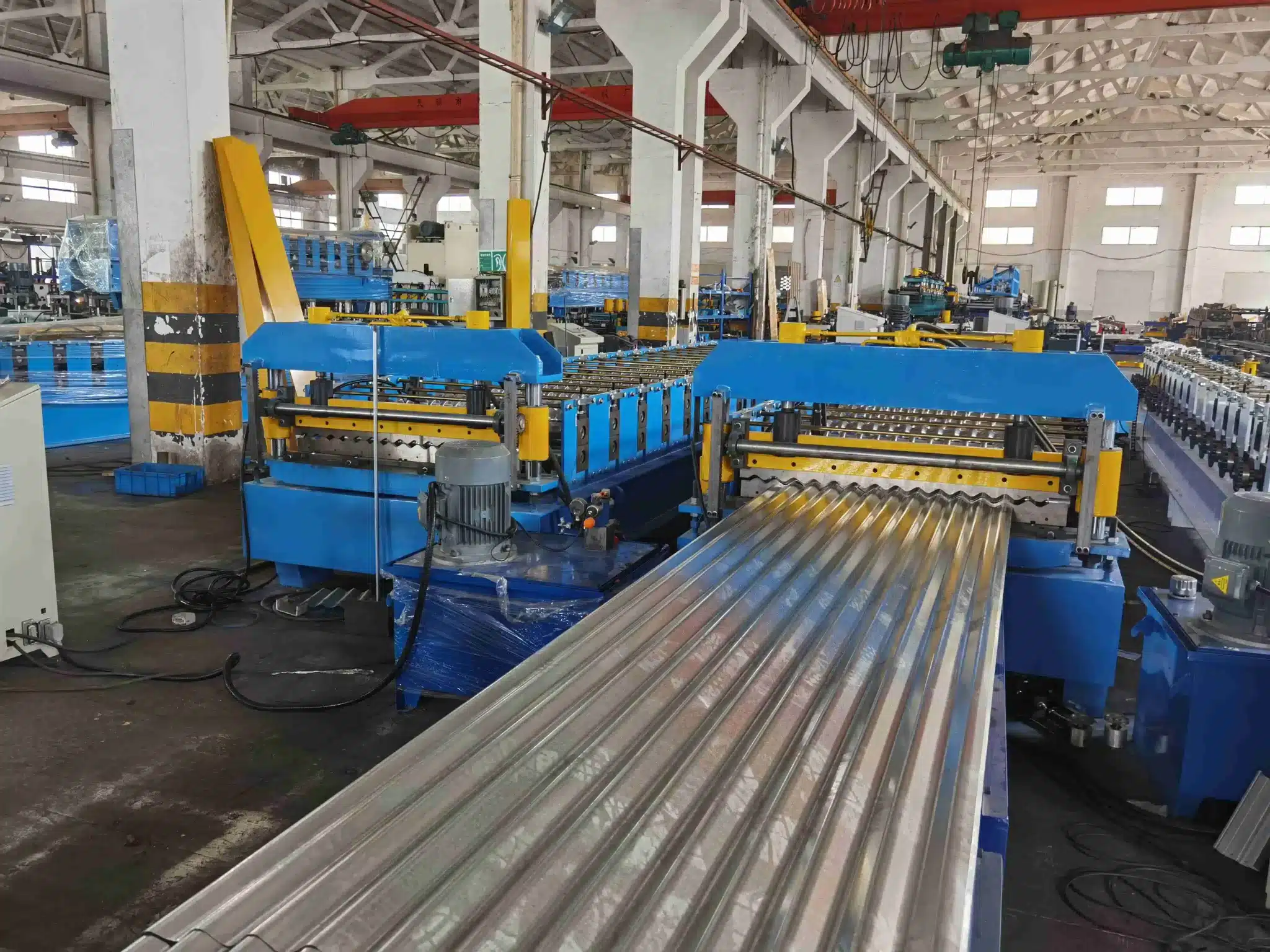
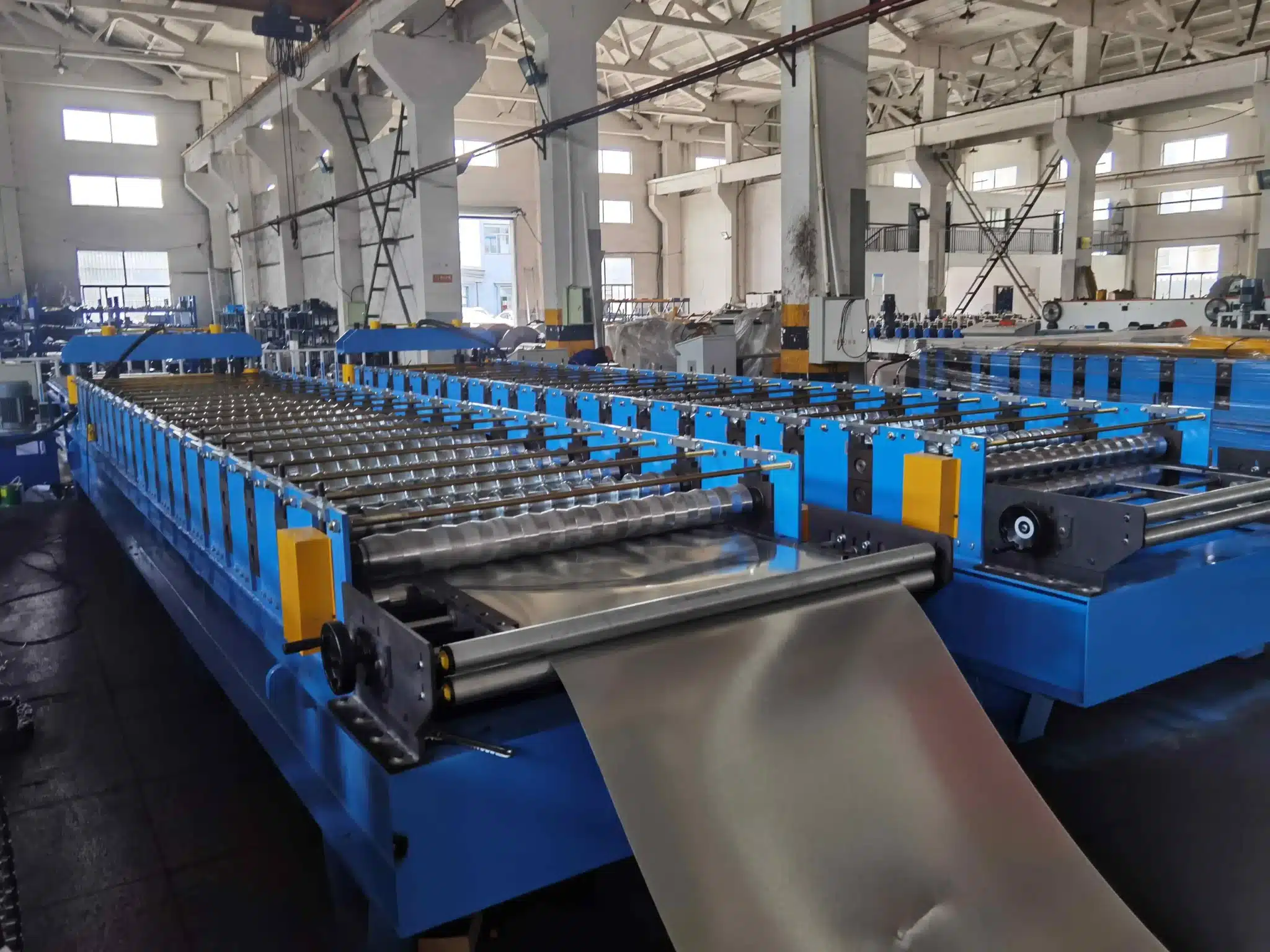


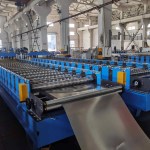
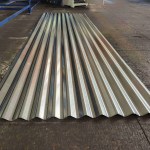
The 7/8 ” Corrugated Metal Panel Roll Forming Machine is a cornerstone of modern metal fabrication, designed to streamline the production of 7/8 ” Corrugated Metal Panels for US market—versatile, durable metal sheets used extensively in roofing, cladding, and construction. If you’re in the market for a machine that combines precision, speed, and cost-effectiveness, this roll former is your answer. Let’s dive into what makes it indispensable.
What Is a 7/8 " Corrugated Metal Panels?
7/8″ Corrugated is a popular solution for a wide range of building projects, from retail and commercial spaces to residential homes. Known for its appearance, strength, and versatility, the 7/8″ Corrugated metal panels offer practical benefits combined with a distinctive aesthetic appeal.

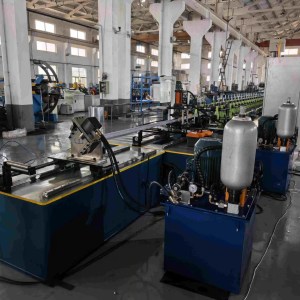
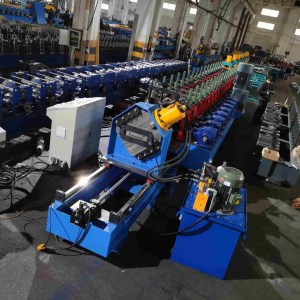
What Is a Corrugated Metal Panel Roll Forming Machine
A Corrugated Metal Panel roll forming machine is only as reliable as its individual components. These specialized parts work in harmony to transform raw metal coils into durable, corrugated panels—critical for roofing, cladding, and construction. Let’s break down the essential components that make this machinery a cornerstone of modern metal fabrication.
Uncoiler: The Foundation of Material Feeding
Entry Guides: Aligning for Precision
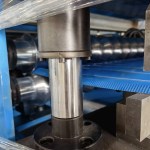
Roller Sets: Shaping the corrugated metal panel Profile
Forming Station: Precision in Motion
Cutting System: Achieving Exact Lengths
Control System: The Brains of Automation
Different optional solution of the Corrugated Metal Panel machine
There several types of uncoilers for Corrugated Metal Panel Roll Former
- 5 Ton Manual&passive Uncoiler
- 5 Ton hydralic uncoiler with or without coil car
- 7.5 Ton hydralic uncoiler with coil car and support arm
- 10 Ton hydraulic uncoiler with coil car and support arm
Roll Forming is the main core of the machine, which include different design for different requirements:
- Structure: Steel Plate Welded, Iron Cast Stands
- Driven: Chain and Sprocket, Gear Box and Joint
- Single layer or double layer
There are 3 main cutting solution for purlin machines:
- Pre cutting: Cut the coil into sheets before roll forming, and with a tansfer convery to increase the line speed into 50-60 m/min
- Post hydraulic cutting: standard
- Post electric cutting: Cutting motion is faster.
- Flying cutting: The roll forming machine is continuous working while cutting to increase the speed.
Main Specifications
| Feature | Specifications |
|---|---|
|
PBR Panel Dimensions |
32″ to 40″ |
|
Thickness |
22-24 gauge |
|
Material |
PPGI, PPGL. GI, GL |
|
Forming Stands |
20-24 |
|
Motor Power |
11-15 KW |
|
Roller Material |
1045 steel, HRC 58-62, surface chromed |
|
Line Speed |
50-70 FPM( Standard) |
Frequently Asked Questions
This is an industrial production line designed to continuously uncoil, feed, and press flat metal sheets into a classic, continuous sine-wave pattern where the depth (height) of the ribs is exactly 7/8 of an inch. These panels are heavily used for roofing, siding, and architectural applications in agricultural, commercial, and residential projects.
These 7/8 ” Corrugated Metal Panel Roll Forming Machine is engineered to handle a variety of standard roofing materials, including:
Galvalume and galvanized steel
Pre-painted (color-coated) steel
Aluminum The typical material thickness ranges from 29 gauge to 22 gauge (approximately 0.3mm to 0.8mm), which covers most standard commercial and residential roofing requirements.
The 7/8″ depth is considered a “deep” corrugation compared to standard 1/2″ or 1/4″ profiles. This deeper rib provides significantly higher structural integrity and spanning capabilities, allowing it to be installed over open purlins at wider spacings. It also channels high volumes of rainwater incredibly efficiently.
Standard roll formers for this profile typically operate at speeds of 15 to 25 meters per minute (roughly 50 to 80 feet per minute). The exact speed depends on the thickness of the material being run and the cutting frequency determined by the programmed panel lengths.
Forming a deep 7/8″ wave requires careful metal manipulation to prevent the steel from stretching, tearing, or oil-canning. The 7/8 ” Corrugated Metal Panel Roll Forming Machine utilizes a series of 16 to 22 heavy-duty, hard-chrome plated roller stations. The rollers are engineered to form the corrugations from the center of the panel outward, pulling the metal in smoothly and incrementally until the final 7/8″ depth is achieved.
The 7/8 ” Corrugated Metal Panel Roll Forming Machine is equipped with a hydraulic post-cutting shear. The upper and lower cutting blades (dies) are custom-machined via CNC to perfectly match the 3D topographical profile of the 7/8″ sine wave. When the machine pauses to cut, the blades completely encapsulate the panel, shearing the metal cleanly without crushing or flattening the heavy ribs.
Panel Width: Yes, the machine can generally accept different raw coil widths (e.g., 36″ vs. 42″), which will simply result in a finished panel with fewer or more ribs and a different overall coverage width.
Wave Depth: No. Because the rollers are solid steel cut specifically for a 7/8″ depth and a specific pitch (distance between peaks), you cannot use the same rollers to make a 1/2″ or 1-1/4″ corrugated panel. Doing so would require a completely different machine or a highly advanced dual-level (double-deck) machine.
o ensure consistent, scratch-free panels and prevent machine wear, operators should:
Wipe down the chrome rollers regularly to remove zinc dust, dirt, or metal shavings.
Keep the drive chains to properly tensioned and lubricated.
Grease the main bearings on a regular schedule.
Monitor the hydraulic oil levels and periodically inspect the 3D cutting blades for dullness or burrs, sharpening them when necessary to ensure a clean edge.
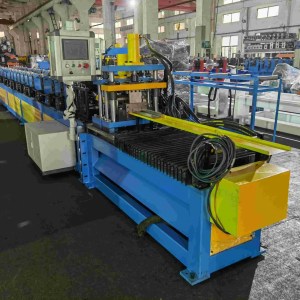
The Corrugated Metal Panel Roll Forming Machine is more than just equipment—it’s an investment in efficiency, quality, and growth. By automating Corrugated Metal panel roll forming machine, you’ll stay ahead of competitors, meet rising demand, and unlock new revenue streams. Ready to upgrade your workshop? Contact us today to schedule a demo or request a quote.

Reviews
There are no reviews yet.