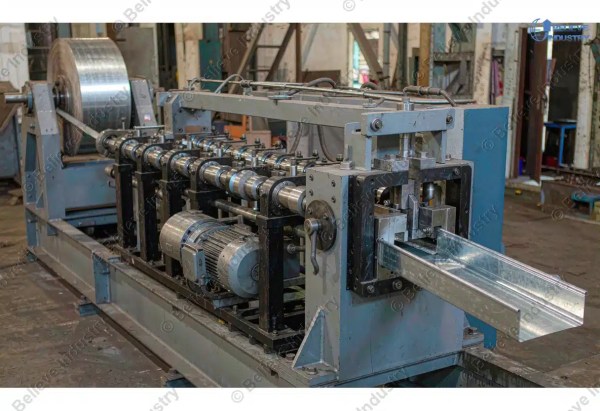




When establishing or scaling up a metal fabrication enterprise, investing in a used roll forming machine is often viewed as a highly cost-effective and smart solution. But is this investment strategy truly worthwhile for your business?
At Beli RollForming, a prominent manufacturer and exporter of roll forming machines based in China, we understand that machinery purchases are critical. In this comprehensive guide, we’ll thoroughly analyze the advantages and potential drawbacks of purchasing a second hand roll forming machine so you can make a perfectly informed, risk-mitigated decision.
What Is a Used Roll Forming Machine?
A used roll forming machine is pre-owned industrial equipment designed to shape metal sheets into specific, continuous profiles using a precision series of rollers. These machines are essential across core sectors, including construction (e.g., roofing and siding), automotive components, and appliance manufacturing.
Opting for a used model instead of a new one can deliver substantial cost savings—however, understanding the inherent trade-offs is crucial.
✅ 7 Advantages of Buying a Used Roll Forming Machine
1. Significantly Lower Initial Cost
The most compelling reason to purchase a used roll forming machine is its affordability. Businesses can frequently acquire high-quality, fully functional equipment at 40% to 60% less than the cost of a brand-new machine.
💡 Smart Tip: To maximize longevity, focus your search on second hand roll forming machine units that boast verifiable maintenance and upkeep records.
2. Faster Return on Investment (ROI)
The reduced upfront capital expenditure means you can initiate production sooner and recoup your investment much faster. This accelerated ROI is particularly beneficial for Small and Medium Enterprises (SMEs) looking to boost cash flow quickly.
3. Proven, Reliable Technology
Many older, used roll forming machines are constructed with time-tested, robust technology. When sourced from reputable dealers, these units often perform reliably and consistently, matching the output of modern equipment.
4. Environmentally Conscious Option
By reusing heavy industrial assets, your company reduces industrial waste and supports sustainable, eco-friendly manufacturing practices.
5. High Market Availability
The global market for second hand roll forming machines is vast and well-established, offering immediate access to a wide variety of brands, models, sizes, and specific configurations to suit almost any production requirement.
6. Still Highly Functional and Adaptable
With consistent, correct maintenance, a high-quality used machine can maintain operational efficiency for decades. Furthermore, some used roll forming machine models can be customized or retrofitted to meet new profile specifications.
7. Ideal for Process Testing and Training
If your team is new to the complexities of the roll forming process, buying a used model provides a lower-risk entry point to test operations, train personnel, and refine processes before committing to the significant cost of a brand-new setup.
❌ 5 Disadvantages and Risks of Buying a Second Hand Roll Forming Machine
1. Unknown Maintenance History
A primary risk is the lack of verifiable service records. Poor past maintenance is a major factor that can inevitably lead to unexpected, costly breakdowns and excessive downtime.
2. Limited or Zero Warranty Coverage
The vast majority of second hand roll forming machine purchases include no warranty. This means that all necessary repairs, from minor fixes to major component failures, become a direct operational cost for the buyer.
3. Risk of Outdated Technology
Older used roll forming machines may lack critical modern features such as advanced automation, precise CNC controls, or energy-saving components. This technological deficit can limit overall productivity and inflate long-term operating expenses.
4. Cumulative Wear and Tear
Even if the exterior appears sound, critical internal components—including bearings, forming rollers, and primary motors—will have experienced years of operational stress, increasing the immediate need for expensive replacement parts.
5. Potential Compatibility Issues
An older used roll forming machine might struggle to adapt to newer or specialized materials (e.g., high-tensile steel) or complex profile designs required for your most recent projects, limiting its versatility.
🔍 Best Practices for Choosing the Right Used Roll Forming Machine
If you’ve determined that a second hand roll forming machine is the right fit, mitigate your risk by following these essential steps:
On-Site Inspection: Arrange for a personal or trusted third-party agent inspection of the machine in operation.
Verify Usage Data: Request and check the machine’s production history and recorded hours of use.
Demand Maintenance Records: Insist on reviewing all maintenance and service logs.
Explore Refurbished Options: Consider buying a machine that has been professionally refurbished and certified.
Choose Reputable Suppliers: Only purchase from established sellers or exporters (like Beli RollForming!).
🔧 Expand your expertise on machinery operation by reading more about roll forming best practices on The Fabricator
🔄 Explore More Roll Forming Insights from Beli RollForming
Ready to make a deeper analysis? Check out our related expert resources:
These guides are designed to help you deepen your understanding and ensure smarter capital investment.
Conclusion: Is a Used Roll Forming Machine a Smart Investment?
A high-quality used roll forming machine can be an exceptionally smart investment—provided you conduct diligent, comprehensive due diligence. The chief benefits include significantly lower upfront costs, immediate setup, and proven performance. However, potential risks like wear, lack of warranty, and outdated technology demand a cautious, informed approach to the purchase.
At Beli RollForming, we specialize in supplying premium roll forming equipment (both new and expertly refurbished) tailored for global clients. Whether your decision leads you to a new or second hand roll forming machine, we are here to guide your success.
📞 Contact us today to find the perfect roll forming solution for your manufacturing business!