Stay Updated with Believe Industry News




Stay in the loop with Believe Industry’s expert insights!
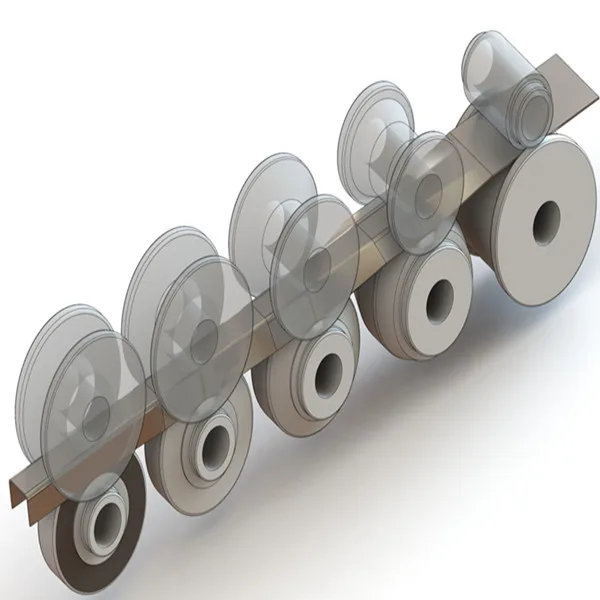


When it comes to high-volume, precision metal fabrication, integrating a punch press into your production setup is no longer optional—it’s essential. For roll forming businesses producing metal studs, channels, roof panels, or custom components, the punch press machine is the critical element that adds necessary holes, slots, and cutouts with maximum speed and accuracy.
A dedicated punch press allows you to combine forming and punching into a seamless, single-pass operation, significantly boosting productivity and customization capabilities.
In this comprehensive guide, we will dive deep into the world of the punch press and roll forming, covering:
What a punch press is and its function in roll forming
The different types of punch presses available (Mechanical, Hydraulic, Servo, CNC)
Key features that make a punch press machine valuable
Its wide range of applications across industries
The top benefits of using a punch press
How to buy the right punch press for your business
10 Frequently Asked Questions about the punch press
Why Beli RollForming is your trusted partner for high-quality punch press and roll forming machines
A punch press is a powerful machine tool used to create precise holes, cutouts, or impressions in sheet metal or pre-formed profiles. In the roll forming context, a punch press is most effectively integrated inline (or sometimes offline) to add value by enabling exact, high-speed punching during or immediately after the roll forming process.
Think of the punch press as the machine that transforms a simple metal profile into a functional product—giving your metal components the specific features they require, such as ventilation slots, mounting holes, or bolt cutouts.
🔧 Punch presses work by applying a massive, controlled force through a specialized die and punch mechanism to deform or cleanly remove material from the metal coil or profile.
👉 Learn more about metal fabrication techniques
There are several types of punch presses, each suited for different production needs and scales in the roll forming industry:
| Type of Punch Press | Mechanism | Ideal Use Case in Roll Forming |
| 1. Mechanical Punch Press | Uses a flywheel driven by an electric motor. | High-volume, simple profiles requiring fast, repetitive punching tasks (e.g., standard holes in metal studs). |
| 2. Hydraulic Punch Press | Uses hydraulic fluid to deliver controlled force. | Thicker materials and complex shapes where greater control over pressure and speed is needed. |
| 3. Servo Punch Press | Combines electronic controls with servo motors. | Highly precise and energy-efficient; excellent for custom and variable designs and optimized cycle times. |
| 4. CNC Punch Press | Computer Numerically Controlled for high automation. | Executing complex, varied patterns with minimal setup; perfect for customized roll-formed products. |
Here are the standout features that make a punch press a must-have in modern roll forming lines:
High Precision & Repeatability: Ensures consistent hole placement and cut quality, critical for downstream assembly.
Speed & Efficiency: Servo and CNC models, in particular, significantly boost throughput by completing punching while the roll forming line is running.
Flexibility: Capable of creating various hole shapes, sizes, and patterns simply by changing the die set.
Integration Capability: Can be seamlessly integrated directly into the coil feed or post-roll forming sections of the line for single-pass operation.
Automation Options: Reduces manual labor, increases safety, and allows for quick changeovers between jobs.
Durability & Strength: Built to withstand the high tonnage and continuous use required in industrial roll forming environments.
A punch press is widely used across industries that rely on precisely shaped metal components manufactured via roll forming.
Construction Industry: Metal studs, tracks, and framing components require precise holes for screws, bolts, or electrical wiring knockouts.
Automotive Industry: Used for forming parts like brackets, frame components, and panels with specific cutouts for lightweighting or mounting.
Electronics & Appliances: Cabinet enclosures, mounting plates, and housings benefit from clean, accurate punching for ventilation and component placement.
Furniture Manufacturing: Metal legs, frames, and supports often require customized holes for assembly or aesthetic purposes.
Industrial Equipment: Structural components in machinery often need functional cutouts for ventilation or secure fastening.
👉 See what roll former machines are used in construction
Integrating a punch press into your roll forming operation offers multiple advantages:
Increased Productivity: Combining forming and punching in a single, high-speed inline process drastically cuts production time.
Cost Efficiency: Eliminates the need for secondary punching operations, saving on labor, material handling, and reducing scrap.
Customization: Enables complex, unique designs and customer-specific features (like logos or custom slots) without slowing down the line.
Better Quality Control: Inline punching ensures alignment and accuracy, significantly reducing error rates compared to manual or separate processes.
Scalability: From smaller, dedicated hydraulic presses to large, automated CNC punch presses, there is a model to fit any production scale.
Reduced Material Handling: The product is formed and punched before it is cut, reducing the chance of scratching or warping the material.
Safety: Automated inline systems reduce the need for workers to handle sharp metal sheets and profiles.
Buying the right punch press requires careful planning to match the machine’s capabilities to your production needs. Here’s a quick checklist:
Determine Production Volume: High-volume needs typically require a high-speed servo or CNC press for optimal efficiency.
Identify Material Type & Thickness: Ensure the press tonnage and design can reliably handle your specific metal specs (steel, aluminum, stainless steel).
Choose Between Inline or Offline Setup: Inline integration offers seamless speed, while offline provides added flexibility for dedicated, complex punching tasks.
Check Automation Needs: Consider CNC or servo options if your designs are complex or change frequently, as they minimize manual setup.
Work With a Trusted Manufacturer: Partner with experts, like Beli RollForming, who offer tailored solutions and proven integration success.
👉 Read our guide on choosing the right roll forming machinery
A punch press is a machine that creates holes or cutouts in metal sheets or profiles, typically integrated alongside roll forming machines for added functionality and speed.
It enhances the roll forming process by allowing precise punching, cutting, or shaping without needing a separate, time-consuming workflow.
Yes, many punch presses are specifically designed for inline use to enable efficient, single-pass operations.
Mechanical, hydraulic, servo, and CNC punch presses are the most common types used in this application.
Not always, but it is essential when your final product requires functional holes, precise cutouts, or embossed features.
By combining multiple processes (servo feeder, forming and punching) into one automated step, it reduces handling, labor, and total production
It can process steel, aluminum, stainless steel, and other metals depending on the press’s tonnage and construction.
Mechanical presses are faster but less flexible, while servo presses offer programmable control, precision, and better energy efficiency.
Regular lubrication, die inspection, and alignment checks are crucial for ensuring high precision and long-term performance.
You can trust Beli RollForming, a leading Chinese manufacturer and exporter of high-quality roll forming and punching machinery.
When it comes to sourcing reliable, efficient, and customized punch presses for your roll forming operations, Beli RollForming stands out as your ideal partner.
Why Beli RollForming?
✅ Over 15 Years of Expertise in designing and manufacturing roll forming machines and auxiliary equipment like punch presses.
✅ Custom Solutions – We tailor machines to meet your exact production needs, profile specifications, and punching patterns.
✅ High-Quality Standards – Our machines are built with durable materials for long-lasting performance and minimal downtime.
✅ Global Exporter – Serving clients in over 50 countries with reliable after-sales support and installation training.
✅ Competitive Pricing – Get premium quality punch press technology without the premium price tag.
✅ End-to-End Service – From consultation and design to installation and training on your new punch press.
A punch press isn’t just an accessory—it’s a transformative, high-speed tool that fundamentally elevates your roll forming capabilities. Whether you’re aiming for higher precision, faster production, or more customized metal products, integrating the right punch press machine will drive your business forward.
Ready to upgrade your production line with a custom punch press solution? Contact Beli RollForming today for a free consultation and tailored quote.
📞 Get in Touch with Beli RollForming
🌐 Learn more about roll forming machine.
What Is a Cassette Type Roll Forming Machine? A cassette type...
Read MoreTo buy a solar strut channel roll forming machine, define...
Read MoreLearning how to buy a roll forming machine means understanding types, specifications,...
Read MoreStep-by-step guide on how to buy a Sigma Purlin Roll...
Read MoreSubscribe now to keep reading and get access to the full archive.