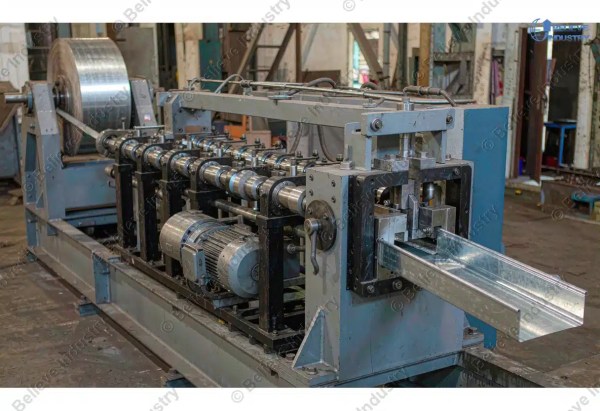





Βρίσκοντας το κατάλληλο καλύτερου κατασκευαστή μηχανών roll forming μπορεί να καθορίσει την επιτυχία ή την αποτυχία της γραμμής παραγωγής σας. Μετά από δύο δεκαετίες παρακολούθησης εταιρειών που δυσκολεύονται με αυτή την απόφαση, ακολουθεί τι πραγματικά έχει σημασία.
Τι είναι μια μηχανή διαμόρφωσης με κυλίνδρους;
A μηχανή ρολοδιαμόρφωσης είναι ένα βιομηχανικό μηχάνημα που διαμορφώνει μεταλλικά πηνία σε σταθερές διατομές μέσω διαδοχικών εργασιών κάμψης. Σε αντίθεση με τις πρέσες κάμψης που επεξεργάζονται μεμονωμένα τεμάχια, οι μηχανές ρολοδιαμόρφωσης επεξεργάζονται συνεχή μεταλλική ταινία—γεγονός που τις καθιστά ταχύτερες, ακριβέστερες και πιο κατάλληλες για παραγωγή μεγάλου όγκου. Η επιλογή της καλύτερου κατασκευαστή μηχανών roll forming από την αρχή εξοικονομεί σημαντικό κόστος επανεπεξεργασίας στη συνέχεια.
Η παγκόσμια αγορά ρολοδιαμόρφωσης αποτιμήθηκε περίπου σε USD 7.8 billion το 2024 και προβλέπεται να φτάσει τα USD 11.2 billion έως το 2030, σύμφωνα με την Precision Metalforming Association. Αυτή η ανάπτυξη αυξάνει τη ζήτηση για αξιόπιστους κατασκευαστές μηχανών.
Αν ακόμη αξιολογείτε κατά πόσο η ρολοδιαμόρφωση ταιριάζει στη λειτουργία σας, δείτε την ανάλυσή μας για μηχανή σχηματισμού κυλίνδρων έναντι φρένου πρέσας για να κατανοήσετε ποια διαδικασία ταιριάζει στις παραγωγικές σας ανάγκες.
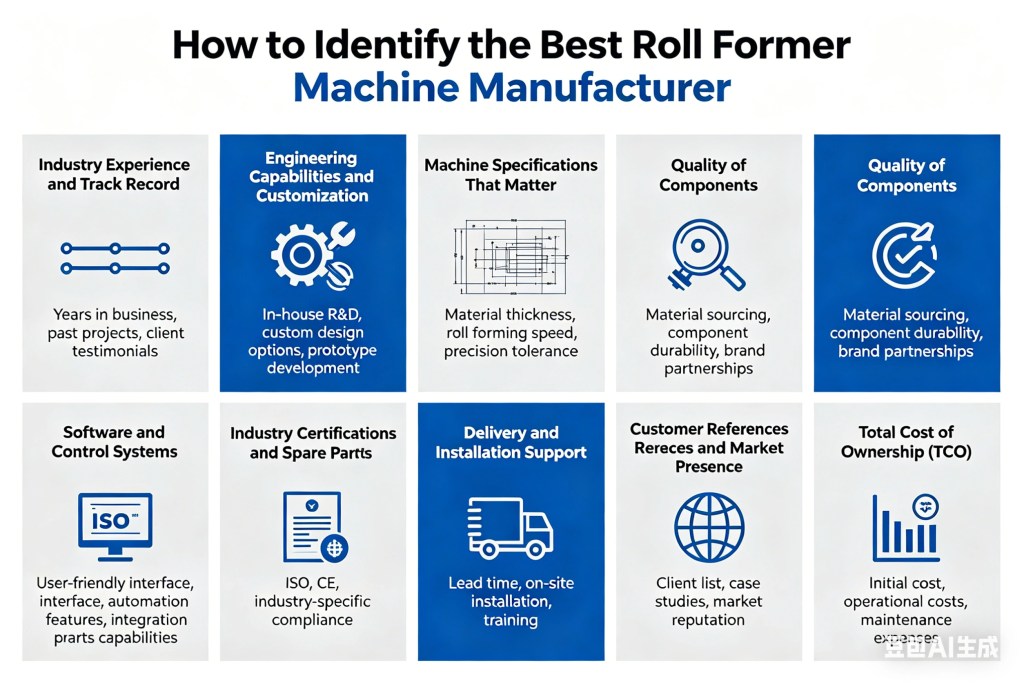
Πώς να εντοπίσετε τον καλύτερο κατασκευαστή μηχανών διαμόρφωσης με κυλίνδρους
Not all manufacturers are created equal. Here’s what separates the industry leaders from the rest.
1. Εμπειρία κλάδου και ιστορικό επιδόσεων
Το καλύτερου κατασκευαστή μηχανών roll forming διαθέτει συνήθως τουλάχιστον 15–20 χρόνια συνεχούς λειτουργίας. Αυτό δεν είναι τυχαίο—ένα μακρύ ιστορικό σημαίνει ότι έχουν επιβιώσει από πολλούς οικονομικούς κύκλους, βελτιώσει τα σχέδιά τους και αποκτήσει βαθιά κατανόηση των προκλήσεων παραγωγής του πραγματικού κόσμου.
Believe Industry, ιδρύθηκε το 2005, έχει λειτουργήσει για πάνω από 19 χρόνια στον κλάδο της διαμόρφωσης με κύλιση. Η εταιρεία έχει αποστείλει εξοπλισμό σε περισσότερες από 40 χώρες. Για μια πιο κοντινή ματιά στο πώς συγκρίνονται οι καθιερωμένοι προμηθευτές με έδρα την Κίνα, δείτε τον κορυφαίοι κατασκευαστές μηχανών διαμόρφωσης ελάστομερών στην Κίνα οδηγό
Αναζητήστε κατασκευαστές που μπορούν να δείξουν πραγματικές μελέτες περίπτωσης πελατών, όχι απλώς αποθέματα φωτογραφιών γενικών βιομηχανικών χώρων. Ζητήστε συστάσεις στον συγκεκριμένο κλάδο σας. Όταν εντοπίσετε τον καλύτερου κατασκευαστή μηχανών roll forming για την εφαρμογή σας, οι επαληθευμένες συστάσεις είναι αδιαπραγμάτευτες.
2. Δυνατότητες μηχανολογίας και προσαρμογής
Μπορούν να κατασκευάσουν αυτό που πραγματικά χρειάζεστε, ή πρέπει να προσαρμόσετε τις απαιτήσεις σας ώστε να ταιριάζουν με τα τυπικά τους σχέδια;
Οι κορυφαίοι κατασκευαστές διατηρούν εσωτερικές ομάδες μηχανολογίας ικανές για προσαρμοσμένο σχεδιασμό προφίλ, ανάλυση πεπερασμένων στοιχείων (FEA) για σύνθετα γεωμετρικά σχήματα, προσομοίωση μηχανής πριν την κατασκευή και ενσωμάτωση με υφιστάμενες γραμμές παραγωγής. Roll forming software εργαλεία όπως το COPRA RF και το PROFIL επιτρέπουν στους μηχανικούς να προσομοιώνουν ακολουθίες διαμόρφωσης πριν κόψουν έστω και ένα κομμάτι χάλυβα—μια τυπική πρακτική σε σοβαρές εγκαταστάσεις.
Αποφύγετε κατασκευαστές που βασίζονται πλήρως σε έτοιμα σχέδια. Οι πραγματικές βιομηχανικές εφαρμογές απαιτούν σχεδόν πάντα κάποια προσαρμογή. Ο οδηγός προσαρμοσμένης μηχανής roll forming καλύπτει τον τρόπο με τον οποίο οι κορυφαίοι προμηθευτές προσεγγίζουν τη μηχανολογία ειδικών προφίλ. Ένας καλύτερου κατασκευαστή μηχανών roll forming επενδύει σε εργαλεία προσομοίωσης πριν ξεκινήσει η παραγωγή.
3. Προδιαγραφές μηχανής που έχουν σημασία
Όταν αξιολογείτε προδιαγραφές, εστιάστε σε αυτά τα πρακτικά μετρικά μεγέθη:
| Παράμετρος | Βασικό | Μεσαίας εμβέλειας | Κορυφαίο |
|---|---|---|---|
| Ταχύτητα γραμμής | 10–30 m/min | 30–60 m/min | 60–120 m/min |
| Σταθμοί διαμόρφωσης | 8–12 | 12–20 | 20–40+ |
| Ικανότητα πλάτους ταινίας | Έως 300mm | 300–600mm | 600mm+ |
| Πάχος υλικού | 0.5–1.5mm | 0.5–3.0mm | 0.3–6.0mm |
| Ανοχή | ±0.5mm | ±0.2mm | ±0.05mm |
Το καλύτερου κατασκευαστή μηχανών roll forming προσφέρει μηχανές που υπερβαίνουν τις τυπικές ανοχές—όχι απλώς τις πληρούν. Για μια βαθύτερη ματιά σε αυτό που καθορίζει την απόδοση, ο οδηγός χωρητικότητας διαμόρφωσης με κύλιση καλύπτει την εκτροπή της μηχανής, τα όρια ταχύτητας και τις επιδράσεις του ορίου διαρροής του υλικού.
4. Ποιότητα εξαρτημάτων
Ρωτήστε συγκεκριμένα για:
- Σύστημα κίνησης: Πλανητικά κιβώτια ταχυτήτων (π.χ. Neugart, Wittenstein) έναντι τυπικών κιβωτίων
- Σύστημα ελέγχου: PLC Siemens, Schneider ή Mitsubishi με διεπαφές αφής
- Κύλινδροι διαμόρφωσης: Εργαλειαχάλυβας (H13, D2) με κατάλληλη θερμική επεξεργασία, όχι μαλακός χάλυβας
- Άξονες κυλίνδρων: Σκληρυμένοι και λειασμένοι, όχι γυμνός χάλυβας
Η ακριβής κατανόηση του τι περιλαμβάνει μια γραμμή παραγωγής—από αποκυλινδρωτήρες έως στοιβαστήρες—καλύπτεται στον εξαρτήματα μηχανής διαμόρφωσης κυλίνδρων οδηγό. Μια μηχανή κατασκευασμένη με εξαρτήματα ανώτερης ποιότητας μπορεί να κοστίζει 20–30% περισσότερο εκ των προτέρων, αλλά συνήθως διαρκεί 3–5 φορές περισσότερο από τις οικονομικές εναλλακτικές. Ο καλύτερου κατασκευαστή μηχανών roll forming θα είναι πάντα διαφανής σχετικά με την προμήθεια εξαρτημάτων του.
Ειδικά για την επιλογή υλικού άξονα, ο οδηγός άξονα για μηχανή roll forming άρθρο συγκρίνει τα 40Cr, 45 steel και τις επιλογές θερμικής επεξεργασίας.
5. Λογισμικό και συστήματα ελέγχου
Οι σύγχρονες μηχανές roll forming απαιτούν εξελιγμένα συστήματα ελέγχου. Αναζητήστε:
- HMI με οθόνη αφής και διαισθητική ρύθμιση παραμέτρων
- Δυνατότητα απομακρυσμένης διάγνωσης για αντιμετώπιση προβλημάτων
- Καταγραφή δεδομένων παραγωγής (αριθμός κύκλων, χρήση υλικού, ιστορικό βλαβών)
- Επιλογές ενσωμάτωσης: OPC-UA, Modbus ή ιδιόκτητα πρωτόκολλα
- Συστήματα γρήγορης αλλαγής καλουπιού για εγκαταστάσεις πολλαπλών προϊόντων
Διαμόρφωση ρολού μεγάλου όγκου γραμμές βασίζονται ιδίως σε προηγμένο έλεγχο PLC για τη διατήρηση συνέπειας σε μακρές παραγωγικές περιόδους. Ο οδηγός αποδοτικότητας διαμόρφωσης με κύλιση άρθρο εξηγεί γιατί η επένδυση σε PLC αποσβένεται εντός του πρώτου έτους για τις περισσότερες λειτουργίες. Οποιοσδήποτε καλύτερου κατασκευαστή μηχανών roll forming κατάλογος υποψηφίων πρέπει να περιλαμβάνει σύγκριση συστημάτων ελέγχου.
6. Υποστήριξη μετά την πώληση και ανταλλακτικά
Εδώ εκπλήσσονται πολλοί αγοραστές. Ρωτήστε τους υποψήφιους κατασκευαστές:
- Πού φυλάσσονται τα ανταλλακτικά στο απόθεμα;
- Ποιος είναι ο τυπικός χρόνος ανταπόκρισης για την τεχνική υποστήριξη;
- Προσφέρουν απομακρυσμένη διάγνωση;
- Τι περιλαμβάνεται στην τυπική εγγύηση (1 έτος είναι σύνηθες, 2+ έτη είναι εξαιρετικό);
Οι κατασκευαστές που εξάγουν παγκοσμίως πρέπει να διαθέτουν καθιερωμένα δίκτυα εξυπηρέτησης ή τοπικούς συνεργάτες σε μεγάλες αγορές. Η Believe Industry παρέχει επιτόπου εγκατάσταση μηχανής roll forming και θέση σε λειτουργία παγκοσμίως, με τεκμηριωμένες διαδικασίες για δοκιμές παραλαβής.
Μια μηχανή που μένει ανενεργή για έξι εβδομάδες περιμένοντας ένα ανταλλακτικό ρουλεμάν δεν είναι καλή αγορά, ανεξαρτήτως του πόσο φθηνή είναι η αρχική τιμή. Ο καλύτερου κατασκευαστή μηχανών roll forming διατηρεί αποθήκες ανταλλακτικών σε πολλές ηπείρους.
7. Πιστοποιήσεις κλάδου και πρότυπα
Αν και δεν είναι όλες οι πιστοποιήσεις ίσες, αναζητήστε:
- ISO 9001: Βασική διαχείριση ποιότητας (επαληθεύεται μέσω ISO’s public database)
- CE marking: Απαιτείται για την αγορά της ΕΕ, υποδηλώνει συμμόρφωση με την ασφάλεια
- Πιστοποίηση UL: Για τις αγορές της Βόρειας Αμερικής
- Ειδικά ανά πελάτη: Πολλές εφαρμογές ηλιακής ή αυτοκινητοβιομηχανίας έχουν τις δικές τους απαιτήσεις προσόντων
Οι πιστοποιήσεις δεν εγγυώνται την ποιότητα, αλλά η απουσία τους είναι καμπανάκι κινδύνου. Για αγοραστές που εισάγουν από την Κίνα, ο οδηγός συμμόρφωσης roll forming Κίνας κατάλογος ελέγχου καλύπτει τα 10 βήματα εισαγωγής που μπερδεύουν τους περισσότερους αγοραστές πρώτης φοράς. Η αξιολόγηση πιστοποιήσεων είναι το έβδομο βήμα στην επιλογή του καλύτερου κατασκευαστή μηχανών roll forming για διεθνείς αλυσίδες εφοδιασμού.
8. Υποστήριξη παράδοσης και εγκατάστασης
Ρωτήστε για:
- Τυπικοί χρόνοι παράδοσης (οι προσαρμοσμένες μηχανές απαιτούν συχνά 3–6 μήνες)
- Υπηρεσίες εγκατάστασης: Στέλνουν τεχνικούς ή απλώς αφήνουν ένα εγχειρίδιο;
- Εκπαίδευση: Περιλαμβάνεται η εκπαίδευση χειριστών και σε ποια μορφή;
- Θέση σε λειτουργία: Ποια είναι τα κριτήρια παραλαβής για την ολοκληρωμένη εγκατάσταση;
Για αγοραστές σε συγκεκριμένες αγορές, οι στοχευμένοι οδηγοί μας καλύπτουν μηχανή roll forming Αυστραλία απαιτήσεις προμήθειας και τεχνικούς με βίζα για επιτόπου υποστήριξη.
Η απρόσκοπτη αποστολή από την Κίνα είναι ένας άλλος παραβλεπόμενος παράγοντας. Ο εξαγωγή διαμόρφωσης με ρολό οδηγός καλύπτει τη συσκευασία, τους όρους FOB και τον τελωνειακό εκτελωνισμό. Ο καλύτερου κατασκευαστή μηχανών roll forming διαχειρίζεται πλήρη logistics από το δάπεδο του εργοστασίου έως τη γραμμή παραγωγής σας.
9. Συστάσεις πελατών και παρουσία στην αγορά
Η καλύτερη δοκιμή είναι τα αποτελέσματα του πραγματικού κόσμου. Ζητήστε 3–5 συστάσεις πελατών στον συγκεκριμένο κλάδο σας, μαζί με συγκεκριμένα δεδομένα για τον ρυθμό επεξεργασίας υλικού, το ποσοστό λειτουργίας και την επιτευχθείσα ανοχή. Στοιχεία επικοινωνίας που μπορείτε να επαληθεύσετε.
Προσέξτε τους κατασκευαστές που μπορούν να δείξουν μόνο γενικές μαρτυρίες ή αρνούνται να δώσουν στοιχεία πελατών. Η κάλυψη του κλάδου σε δημοσιεύσεις όπως The Fabricator και Metal Construction News αποτελεί επιπλέον ένδειξη αξιοπιστίας. Ένας καλύτερου κατασκευαστή μηχανών roll forming κερδίζει αναγνώριση από τα ΜΜΕ, όχι απλώς επί πληρωμή καταχωρήσεις.
10. Συνολικό κόστος ιδιοκτησίας (TCO)
Η αρχική τιμή αγοράς αντιπροσωπεύει συνήθως μόνο το 40–50% του συνολικού κόστους κατά τη διάρκεια ζωής μιας μηχανής. Το κρυφό κόστος μηχανημάτων διαμόρφωσης κυλίνδρων περιλαμβάνει την κατανάλωση ενέργειας, τα διαστήματα συντήρησης καλουπιού, το αναμενόμενο διάστημα ζωής της μηχανής, το κόστος διακοπών, την τιμολόγηση ανταλλακτικών και τις απαιτήσεις δεξιοτήτων χειριστή.
Ο τιμή μηχανής διαμόρφωσης με κυλίνδρους οδηγός εξετάζει όλους τους επτά παράγοντες κόστους που οι αγοραστές υποεκτιμούν τακτικά. Μια μηχανή με τιμή 15% υψηλότερη, 50% χαμηλότερα κόστη συντήρησης και διπλάσια διάρκεια ζωής είναι σαφώς η καλύτερη επένδυση. Η ανάλυση TCO είναι ο τελικός παράγοντας διάκρισης μεταξύ ενός φθηνού προμηθευτή και του καλύτερου κατασκευαστή μηχανών roll forming για τις μακροπρόθεσμες λειτουργίες σας.
Κορυφαίες επιλογές κατασκευαστών μηχανών διαμόρφωσης με κυλίνδρους: Σύγκριση ανά περιοχή
Κατά την αξιολόγηση προμηθευτών, βοηθά να κατανοήσετε πώς τοποθετούνται οι καθιερωμένοι κατασκευαστές σε διαφορετικές περιοχές και εξειδικεύσεις.
| Κατασκευαστής | Χώρα | Ίδρυση | Εξειδίκευση | Τυπικό εύρος τιμών | Κατάλληλο για |
|---|---|---|---|---|---|
| Believe Industry | Κίνα (Wuxi) | 2005 | Ηλιακά κανάλια στήριξης, αυτοματοποιημένες γραμμές | 100,00–300,000 | Ηλιακές βάσεις στήριξης, εξαγωγές μεγάλου όγκου |
| Zhangyun Machinery | Κίνα (Jiangsu) | 2002 | Ψυχρή διαμόρφωση, μύλοι σωλήνων, ράγες ανελκυστήρων | 8,000–200,000 | Κατασκευές, γενικές διατομές |
| Cangzhou Zhongde | Κίνα (Hebei) | 2009+ | Πάνελ στέγης/τοίχου, τυποποιημένες διατομές | 3,000–200,000 | Ευαίσθητες στο κόστος, τυποποιημένες εφαρμογές |
| The Bradbury Group | ΗΠΑ (Kansas) | 1959 | Βαριές κατασκευές, επεξεργασία πηνίων, ραφιέρες | 200,000–2,000,000+ | Αυτοκινητοβιομηχανία, βαριά βιομηχανία |
| voestalpine Roll Forming | Αυστρία | Δεκαετία 1990 | Εξαρτήματα ακριβείας, αεροδιαστημική, κατασκευές | 300,000–5,000,000+ | Ρυθμιζόμενες βιομηχανίες, αυστηρές ανοχές |
Πώς να διαβάσετε αυτή τη σύγκριση
Κάθε κατασκευαστής εξυπηρετεί διαφορετικά τμήματα της αγοράς. Η κατάλληλη καλύτερου κατασκευαστή μηχανών roll forming για την εφαρμογή σας εξαρτάται από τους στόχους παραγωγής, τις απαιτήσεις ποιότητας και τον προϋπολογισμό σας.
Οι Κινέζοι κατασκευαστές (Believe Industry, Zhangyun, Zhongde) προσφέρουν συνήθως ανταγωνιστικές τιμές, ταχύτερη παράδοση για τυποποιημένες διαμορφώσεις και αυξανόμενες μηχανολογικές δυνατότητες. Η Believe Industry ξεχωρίζει για την αυτοματοποίηση στον ηλιακό τομέα και τη διεθνή εμπειρία έργων, έχοντας αποστείλει σε περισσότερες από 40 χώρες, συμπεριλαμβανομένης της μακροχρόνιας συνεργασίας με την Gamechange Solar (ΗΠΑ) από το 2019. Ο κατασκευαστές μηχανών διαμόρφωσης με κυλίνδρους οδηγός καλύπτει τον τρόπο αξιολόγησης των Κινέζων προμηθευτών πέρα από την τιμή.
Οι βορειοαμερικανοί κατασκευαστές, όπως η Bradbury Group, διαθέτουν πάνω από 60 χρόνια εμπειρίας στη βαριά βιομηχανία, ώριμες εγχώριες εφοδιαστικές αλυσίδες για εξαρτήματα υψηλής ποιότητας και καθιερωμένα δίκτυα σέρβις στην Αμερική. Με έτος ίδρυσης το 1959, η Bradbury ειδικεύεται σε σύνθετα δομικά συστήματα που απαιτούν αυστηρές ανοχές και υλικά μεγάλου πάχους. Η Roll Forming Industry Association (RFIA) διατηρεί έναν κατάλογο βορειοαμερικανών κατασκευαστών μηχανών για αγοραστές που θέλουν να συγκρίνουν προμηθευτές.
Οι Ευρωπαίοι κατασκευαστές, όπως η voestalpine, εξυπηρετούν ρυθμιζόμενες βιομηχανίες (αεροδιαστημική, αυτοκινητοβιομηχανία) όπου οι πιστοποιήσεις και η ιχνηλασιμότητα είναι κρίσιμες. Οι ευρωπαϊκές μηχανές έχουν υψηλότερη τιμή, αλλά περιλαμβάνουν πλήρη τεκμηρίωση και υποστήριξη συμμόρφωσης. Η European Roll Forming Confederation αποτελεί χρήσιμη αναφορά για τις απαιτήσεις συμμόρφωσης στην αγορά της ΕΕ.
Επιλογή με βάση τις προτεραιότητές σας
Αν το κόστος είναι ο βασικός παράγοντας, οι Κινέζοι κατασκευαστές προσφέρουν τα χαμηλότερα σημεία εισόδου. Η Zhongde απευθύνεται σε αγοραστές με περιορισμένο προϋπολογισμό, με εξοπλισμό τυποποιημένων διατομών. Η Zhangyun κατέχει τη μεσαία κατηγορία, με ευρύτερη κάλυψη εφαρμογών. Καμία, ωστόσο, δεν φτάνει το μοντέλο πλήρους εξυπηρέτησης της καλύτερου κατασκευαστή μηχανών roll forming για σύνθετες ηλιακές εφαρμογές ή εφαρμογές ραφιέρων.
Αν η ηλιακή ενέργεια είναι η προτεραιότητά σας, η Believe Industry έχει αναπτύξει ειδικά αυτοματοποιημένες γραμμές για μηχανή ηλιακού καναλιού στήριξης παραγωγή, συμπεριλαμβανομένης της συνεργασίας στην αγορά των ΗΠΑ με την Gamechange Solar, που ξεκίνησε το 2019. Οι μηχανή δομών τοποθέτησης ηλιακών πάνελ και μηχανή ρολοδιαμόρφωσης καναλιού στήριξης ηλιακών βάσεων σελίδες περιγράφουν αναλυτικά την πλήρη διαμόρφωση της γραμμής.
Αν η ακρίβεια και οι πιστοποιήσεις έχουν τη μεγαλύτερη σημασία, η Bradbury και η voestalpine εξυπηρετούν βιομηχανίες όπου ο έλεγχος ανοχών και η τεκμηρίωση μετρούν περισσότερο από την τιμή αγοράς. Οι πελάτες στην αυτοκινητοβιομηχανία και την αεροδιαστημική απαιτούν συνήθως αυτή την κατηγορία.
Αν χρειάζεστε παγκόσμια κάλυψη υποστήριξης, επιβεβαιώστε ότι ο κατασκευαστής που επιλέξατε διαθέτει συνεργάτες σέρβις στην περιοχή σας. Η εγκατάσταση μηχανής roll forming ομάδα της Believe Industry διαθέτει έγκυρες βίζες για τις βασικές αγορές, συμπεριλαμβανομένης της Αυστραλίας, των ΗΠΑ και της ΕΕ.
Κορυφαίες εφαρμογές μηχανών διαμόρφωσης με κυλίνδρους
Η κατανόηση της εξειδίκευσης των διαφόρων κατασκευαστών μπορεί να περιορίσει την αναζήτησή σας για την καλύτερου κατασκευαστή μηχανών roll forming στον κλάδο σας.
Συστήματα στήριξης φωτοβολταϊκών
Η ηλιακή βιομηχανία έχει οδηγήσει σε σημαντική καινοτομία στη ρολοδιαμόρφωση, ιδιαίτερα για κανάλια στήριξης και προφίλ στερέωσης. Αυτές οι εφαρμογές απαιτούν υψηλή ταχύτητα, σταθερή ποιότητα και αντιδιαβρωτικές επιστρώσεις. Σύμφωνα με την Solar Energy Industries Association (SEIA), οι ηλιακές εγκαταστάσεις στις ΗΠΑ ξεπέρασαν τα 40 GW το 2024—κάθε γιγαβάτ απαιτεί χιλιάδες τόνους διαμορφωμένων προφίλ στήριξης.
Η Believe Industry κατασκευάζει εξοπλισμό ρολοδιαμόρφωσης ειδικά για ηλιακά κανάλια στήριξης από το 2019, συνεργαζόμενη με την Gamechange Solar (Ηνωμένες Πολιτείες) σε αυτοματοποιημένες γραμμές παραγωγής. Η πλήρης τεχνική ανάλυση καλύπτεται στο μηχανές ρολοδιαμόρφωσης ηλιακών προφίλ.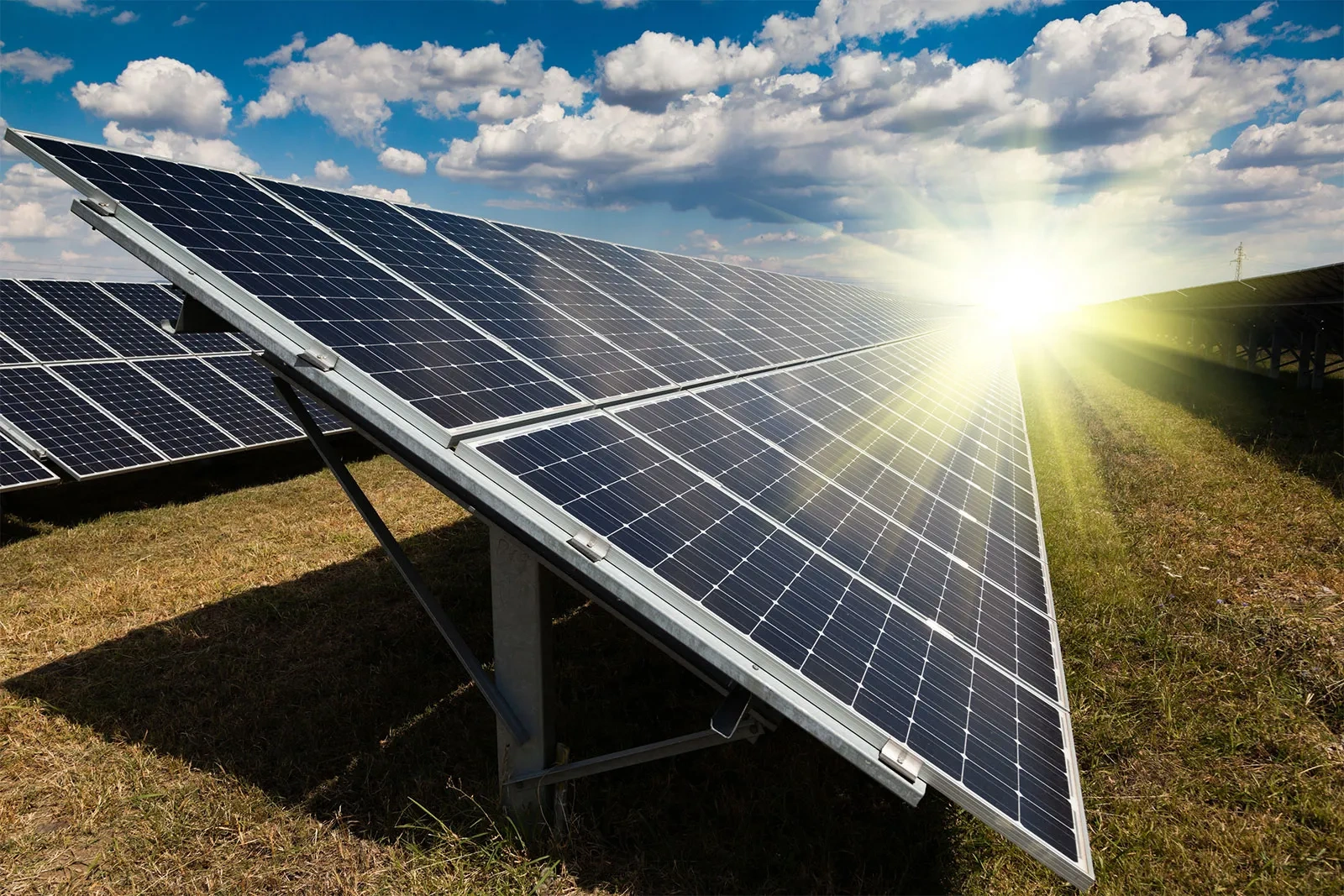
Κατασκευές και υποδομές
Οι στέγες, τα πάνελ τοίχων και τα δομικά προφίλ αποτελούν παραδοσιακές εφαρμογές. Αυτές απαιτούν συνήθως φαρδύτερες ταινίες, μεγαλύτερα πάχη και προφίλ που πληρούν συγκεκριμένους οικοδομικούς κανονισμούς. Διατομές όπως η στέγη IBR, τα τεγίδια C και Z και οι μεταλλικές πλάκες δαπέδου παράγονται σε κλίμακα με αυτοματοποιημένες γραμμές. Το βιομηχανία ρολοδιαμόρφωσης άρθρο περιγράφει πώς οι μηχανές τεγιδίων sigma έχουν μεταμορφώσει τα χρονοδιαγράμματα των κατασκευαστικών έργων.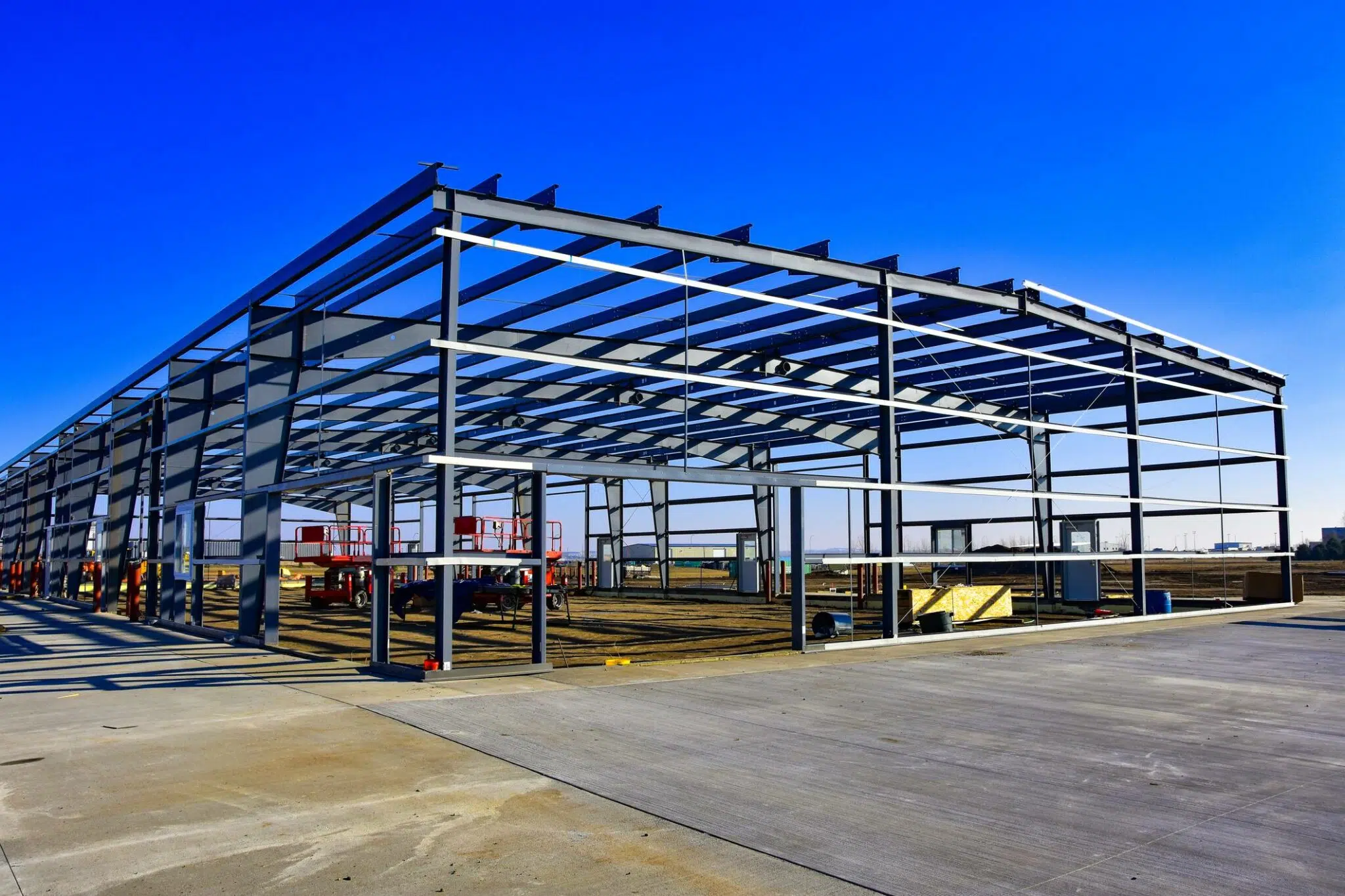
Ηλεκτρικές υποδομές και διαχείριση καλωδίων
Οι σχάρες καλωδίων, οι σχάρες τύπου σκάλας και τα συστήματα καναλιών απαιτούν ακριβείς διαστάσεις για την τοποθέτηση συνδέσμων και εξαρτημάτων. Ο έλεγχος ανοχών είναι κρίσιμος. Οι μηχανή σχηματισμού ρολού δίσκου καλωδίων και γραμμή παραγωγής δίσκων καλωδίων με το κλειδί στο χέρι σελίδες καλύπτουν τις πλήρεις τεχνικές προδιαγραφές για παραγωγή συμβατή με NEMA.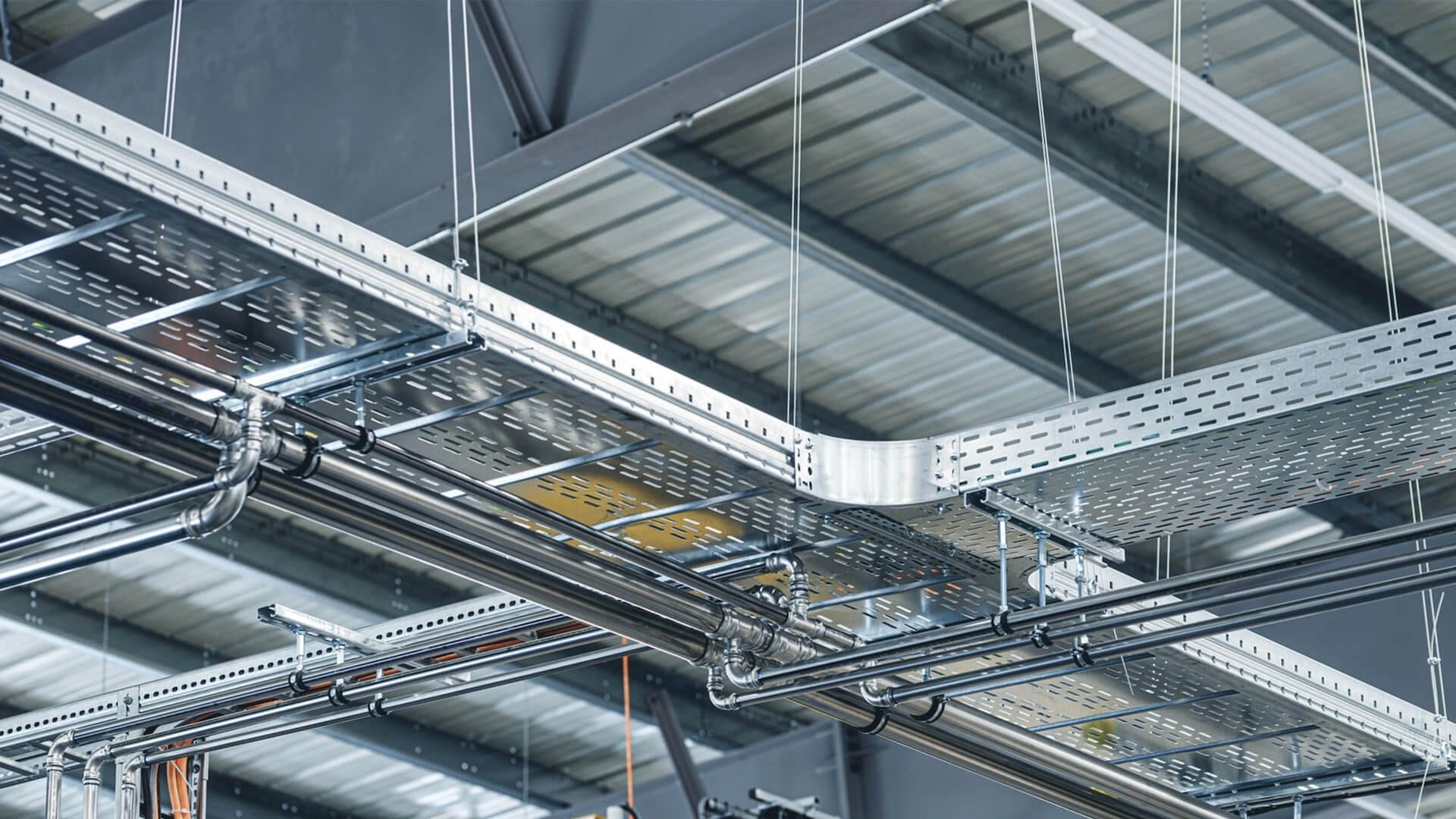
Ραφιέρες αποθήκης και αποθήκευσης
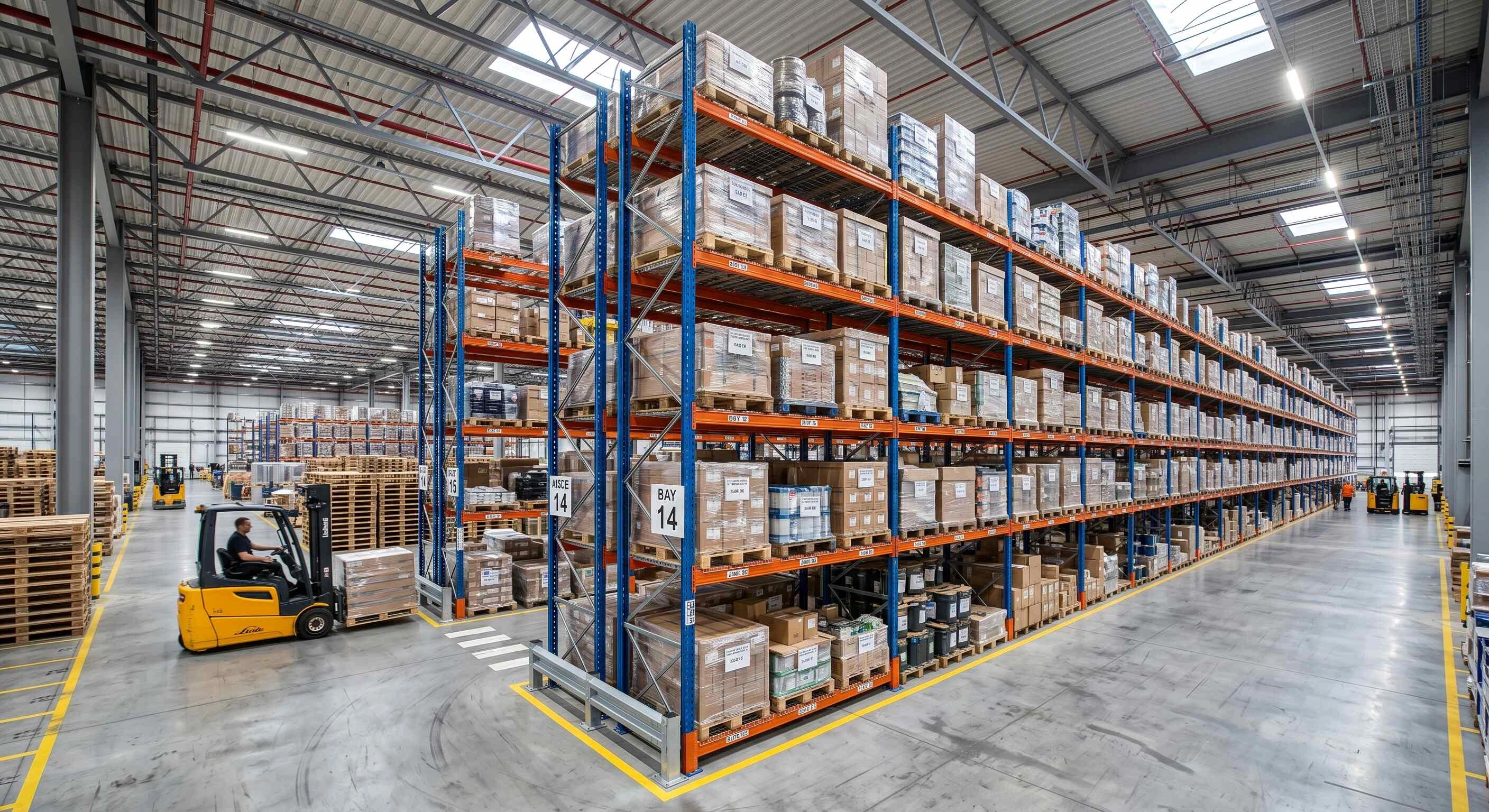
Οι ορθοστάτες, οι δοκοί βαθμίδας και οι κιβωτιόσχημες δοκοί για ραφιέρες παλετών απαιτούν υλικό μεγάλου πάχους (έως 3mm) σε ταχύτητες παραγωγής που καθιστούν τη χειροκίνητη κατασκευή μη πρακτική. Οι μηχανή σχηματισμού ρολού όρθιου ραφιού και μηχανή ρολοδιαμόρφωσης κιβωτιόσχημης δοκού αποτελούν τον πυρήνα αυτού του τμήματος.
Επισκόπηση τιμών μηχανών διαμόρφωσης με κυλίνδρους
Η κατανόηση της τιμολόγησης βοηθά στη σωστή διαμόρφωση των προσδοκιών κατά την επιλογή της καλύτερου κατασκευαστή μηχανών roll forming για τον προϋπολογισμό σας.
| Διαμόρφωση | Τυπικό εύρος τιμών | Κατάλληλο για |
|---|---|---|
| Χειροκίνητη αλλαγή, βασικές διατομές | 10,000–80,000 | Μικρά συνεργεία, πρωτότυπα |
| Ημιαυτόματη, τυποποιημένες διατομές | 30,000–200,000 | Μεσαίες παραγωγικές σειρές |
| Έλεγχος CNC, γρήγορη αλλαγή | 50,000–500,000 | Εγκαταστάσεις πολλών προϊόντων |
| Αυτοματοποιημένες γραμμές υψηλής ταχύτητας | 100,000–2,000,000+ | Ηλιακά έργα μεγάλης κλίμακας, αυτοκινητοβιομηχανία |
Οι τιμές διαφέρουν σημαντικά ανάλογα με την πολυπλοκότητα, τις απαιτήσεις ταχύτητας και το επίπεδο αυτοματισμού. Ο οδηγός αγοράς μηχανής ρολοδιαμόρφωσης περιγράφει όλη τη διαδικασία προμήθειας, από τη σύνταξη προδιαγραφών έως τη δοκιμή αποδοχής στο εργοστάσιο.
Ερωτήσεις που πρέπει να υποβάλετε πριν από την υπογραφή
Πριν δεσμευτείτε σε οποιαδήποτε καλύτερου κατασκευαστή μηχανών roll forming, εξετάστε αυτές τις επτά ερωτήσεις αξιολόγησης:
- Ποιο είναι το ποσοστό έγκαιρης παράδοσής σας τα τελευταία 2 χρόνια;
- Πόσες μηχανές έχετε εγκαταστήσει στον [συγκεκριμένο κλάδο σας];
- What happens if the machine doesn’t meet acceptance criteria?
- Μπορώ να επισκεφτώ το εργοστάσιό σας πριν από την παραγγελία;
- Ποιος θα είναι ο κύριος συνομιλητής μου κατά και μετά την εγκατάσταση;
- Διατηρείτε ανταλλακτικά σε απόθεμα και πού βρίσκεται αυτό το απόθεμα;
- Ποιες μάρκες συστημάτων ελέγχου χρησιμοποιείτε και μπορώ να προμηθευτώ ανταλλακτικά τοπικά;
Συχνές ερωτήσεις
Μια μηχανή διαμόρφωσης με κυλίνδρους επεξεργάζεται συνεχή μεταλλική ταινία μέσα από μια σειρά σταθμών κυλίνδρων, παράγοντας μεγάλα μήκη με σταθερό προφίλ. Μια πρέσα κάμψης λυγίζει μεμονωμένα τεμάχια με χρήση γλώσσας και μήτρας. Η διαμόρφωση με κυλίνδρους είναι ταχύτερη και πιο συνεπής για παραγωγή μεγάλου όγκου· οι πρέσες κάμψης είναι πιο ευέλικτες για μικρές σειρές ή σύνθετες μεμονωμένες καμπύλες. Για μια πλήρη συγκριτική ανάλυση, δείτε μηχανή σχηματισμού κυλίνδρων έναντι φρένου πρέσας.
Ο χρόνος ρύθμισης διαφέρει σημαντικά ανάλογα με τον σχεδιασμό της μηχανής. Οι παραδοσιακές μηχανές ενδέχεται να απαιτούν 4–8 ώρες για μια πλήρη αλλαγή προφίλ. Τα συστήματα γρήγορης αλλαγής μπορούν να μειώσουν αυτόν τον χρόνο σε 30–60 λεπτά. Οι μηχανές με έλεγχο CNC και ψηφιακή αποθήκευση παραμέτρων συχνά ολοκληρώνουν τις αλλαγές σε λιγότερο από 30 λεπτά. Ο μηχανή roll forming γρήγορης αλλαγής οδηγός εξηγεί τις τρεις βασικές στρατηγικές εφαρμογής.
Τα συνήθη υλικά περιλαμβάνουν χάλυβα ψυχρής έλασης, γαλβανισμένο εν θερμώ χάλυβα, αλουμίνιο, ανοξείδωτο χάλυβα και Galvalume. Το πάχος του υλικού κυμαίνεται συνήθως από 0.3 mm έως 6.0 mm, ανάλογα με τον σχεδιασμό της μηχανής. Οι χάλυβες υψηλής αντοχής (DP590, TRIP780) είναι ολοένα πιο συνηθισμένοι σε εφαρμογές της αυτοκινητοβιομηχανίας. Ο υλικό διαμόρφωσης με κυλίνδρους οδηγός καλύπτει οκτώ βασικές διαφορές μεταξύ χάλυβα και αλουμινίου για εργασίες διαμόρφωσης με κυλίνδρους.
Η τακτική συντήρηση περιλαμβάνει καθημερινό οπτικό έλεγχο των κυλίνδρων και των ρουλεμάν, εβδομαδιαία λίπανση των οδηγών και των αξόνων των κυλίνδρων, μηνιαίο έλεγχο του διάκενου των γραναζιών και ετήσια βαθμονόμηση των σταθμών διαμόρφωσης. Ένα πλήρες πρόγραμμα με λίστες ελέγχου είναι διαθέσιμο στον προληπτική συντήρηση διαμόρφωσης με κυλίνδρους οδηγό. Η παράλειψη της προγραμματισμένης συντήρησης είναι η κύρια αιτία πρόωρης φθοράς των κυλίνδρων—αναλυτικά στο επιθεώρηση διαμόρφωσης με κυλίνδρους συνηθισμένα λάθη.
Η απόδοση της επένδυσης εξαρτάται σε μεγάλο βαθμό από τον όγκο παραγωγής και το εργατικό κόστος. Οι αυτοματοποιημένες γραμμές υψηλής ταχύτητας αποσβένονται συνήθως σε 1–3 χρόνια μέσω μειωμένου εργατικού κόστους και λιγότερων απορριμμάτων υλικού. Οι χειροκίνητες μηχανές μπορεί να απαιτήσουν περισσότερο χρόνο, αλλά παραμένουν αποδοτικές για συνεργεία με μεταβαλλόμενη ζήτηση. Ο οφέλη μηχανής διαμόρφωσης με κυλίνδρους οδηγός καλύπτει και τους επτά χρηματοοικονομικούς μοχλούς, συμπεριλαμβανομένης της μείωσης του ποσοστού απορριμμάτων και της εξοικονόμησης κόστους χειριστή.
Yes. Closed profile forming requires special equipment including Turk’s head stations at the exit end to close the profile shape. This is common for solar mounting channels, structural tubing, and some cable tray designs. Εν σειρά συγκόλληση is often used alongside Turk’s head stations for welded closed profiles.
It depends on the machine’s history and the application. Used machines can reduce upfront investment by 30–60%, but they carry risks including worn tooling, outdated controls, and no warranty. Our μεταχειρισμένη μηχανή διαμόρφωσης με κυλίνδρους οδηγός αναλύει 7 λόγους για τους οποίους μπορεί να συμφέρει—και 5 προειδοποιητικά σημάδια που πρέπει να προσέξετε.
Τα βασικά υποσυστήματα είναι ο αποτυλιχτήρας, ο ευθυγραμμιστής/ισιωτής, η μονάδα πρέσας διάτρησης, οι σταθμοί διαμόρφωσης με κυλίνδρους, η πρέσα κοπής και η τράπεζα εξόδου. Κάθε υποσύστημα έχει τα δικά του τεχνικά πλεονεκτήματα και μειονεκτήματα. Ο εξαρτήματα μηχανής διαμόρφωσης κυλίνδρων οδηγός καλύπτει και τα 10 κρίσιμα στοιχεία, συμπεριλαμβανομένου του λόγου για τον οποίο η επιλογή ιπτάμενης ψαλίδας έχει σημασία για γραμμές υψηλής ταχύτητας.
Η επαναφορά προκύπτει όταν το μέταλλο ανακτά εν μέρει το σχήμα του μετά την κάμψη. Προκαλεί απόκλιση του τελικού προφίλ από την επιθυμητή γωνία, ιδιαίτερα με χάλυβα υψηλής αντοχής. Η αντιμετώπισή της απαιτεί υπερκάμψη, ρυθμίσεις εργαλείων ή επανασχεδιασμό του μοτίβου ανάπτυξης με βάση FEA. Δείτε το επαναφορά μετά την κάμψη στη διαμόρφωση με κυλίνδρους άρθρο για τις τέσσερις κύριες τεχνικές διόρθωσης.
Ως ελάχιστο, αναζητήστε πιστοποίηση διαχείρισης ποιότητας ISO 9001, σήμανση CE για μηχανές που πωλούνται στην ΕΕ, και πιστοποίηση UL ή CSA για ηλεκτρολογικά εξαρτήματα στη Βόρεια Αμερική. Ορισμένες εξειδικευμένες εφαρμογές (ηλιακή ενέργεια, αυτοκινητοβιομηχανία, αεροδιαστημική) απαιτούν πρόσθετες πιστοποιήσεις. Ο οργανισμός προτύπων ISO διατηρεί τον πλήρη κατάλογο των σχετικών κατασκευαστικών προτύπων. Οποιοσδήποτε καλύτερου κατασκευαστή μηχανών roll forming θα προσκομίσει αυτοβούλως τα έγγραφα πιστοποίησής του χωρίς να του ζητηθεί.
Η διαδικασία εισαγωγής περιλαμβάνει ταξινόμηση κατά κωδικό HS, προετοιμασία εμπορικού τιμολογίου, φορτωτική, λίστα συσκευασίας, πιστοποίηση CE ή άλλη απαιτούμενη από την αγορά προορισμού, και εκτελωνισμό. Για μια αναλυτική καθοδήγηση βήμα προς βήμα, ο οδηγός συμμόρφωσης για τη διαμόρφωση με κυλίνδρους στην Κίνα καλύπτει και τους 10 κρίσιμους ελέγχους. Το εξαγωγή διαμόρφωσης με ρολό άρθρο προσθέτει τη μία συμβουλή συσκευασίας που αποτρέπει την πιο συνηθισμένη ζημιά κατά τη μεταφορά.
Το κανάλι strut (γνωστό και ως Unistrut ή Framing Channel) παράγει προφίλ σχήματος C ή πλάτη με πλάτη, που χρησιμοποιούνται για τη στήριξη ηλεκτρολογικού εξοπλισμού. Η παραγωγή σχαρών καλωδίων περιλαμβάνει διαμορφώσεις τύπου σκάλας, διάτρητης σχάρας και συρματοπλέγματος για την όδευση καλωδίων. Για κάθε περίπτωση υπάρχουν βελτιστοποιημένες μηχανές. Δείτε το μηχανή σχηματισμού κυλίνδρων καναλιού δοκού και μηχανή σχηματισμού ρολού δίσκου καλωδίων για μια συγκριτική παρουσίαση των απαιτήσεων της γραμμής παραγωγής.
Ο αυτοματισμός διαμόρφωσης με κυλίνδρους αναφέρεται στην ενσωμάτωση ρομποτικού χειρισμού, ελέγχου αξόνων με σερβοκινητήρες, αυτόματης στοίβαξης και διασύνδεσης MES σε μια γραμμή παραγωγής. Είναι οικονομικά αποδοτικός για γραμμές που λειτουργούν πάνω από μία βάρδια την ημέρα ή παράγουν πολλαπλές παραλλαγές προφίλ. Ο αυτοματοποίηση διαμόρφωσης ρολού οδηγός αναλύει πέντε συγκεκριμένους τρόπους με τους οποίους μειώνει το λειτουργικό κόστος, με πραγματικά παραδείγματα από παραγωγή σχαρών καλωδίων και στηριγμάτων ηλιακών πάνελ.
Συμπέρασμα
Η εύρεση της καλύτερου κατασκευαστή μηχανών roll forming απαιτεί να κοιτάξετε πέρα από το υλικό μάρκετινγκ. Εστιάστε στα εξής:
- Αποδεδειγμένη εμπειρία στη συγκεκριμένη εφαρμογή σας
- Μηχανολογική ικανότητα για προσαρμογή
- Ποιότητα εξαρτημάτων και μακροζωία της μηχανής
- Υποδομή υποστήριξης για την εξυπηρέτηση μετά την πώληση
- Συνολικό κόστος ιδιοκτησίας, όχι μόνο τιμή αγοράς
Η κατάλληλη καλύτερου κατασκευαστή μηχανών roll forming πρέπει να δίνει την αίσθηση μακροχρόνιου συνεργάτη, όχι απλώς προμηθευτή. Κάντε δύσκολες ερωτήσεις, ζητήστε συστάσεις και επιμείνετε σε σαφή κριτήρια αποδοχής πριν δεσμευτείτε. Για έναν πλήρη έλεγχο προμήθειας, ο οδηγός αγοράς μηχανής ρολοδιαμόρφωσης καλύπτει κάθε βήμα, από την αρχική σύνταξη προδιαγραφών έως την τελική έγκριση αποδοχής στο εργοστάσιο.
Αρχείο αλλαγών
| Έκδοση | Ημερομηνία | Αλλαγές |
|---|---|---|
| v1.0 | 2026-05-07 | Αρχική δημοσίευση: δομή άρθρου, 10 παράγοντες επιλογής, Συχνές Ερωτήσεις |
Next Review
Προγραμματισμένες ενέργειες βελτιστοποίησης (σειρά προτεραιότητας):
| Προτεραιότητα | Ενέργεια | Αναμενόμενος αντίκτυπος |
|---|---|---|
| Υψηλή | Add a visual summary infographic (“10 Factors” diagram) in the intro section | Βελτίωση του χρόνου παραμονής στη σελίδα, ποσοστού αναφοράς εικόνων GEO |
| Υψηλή | Add LSI keywords (e.g., “roll forming equipment supplier”, “roll former price guide”) to body and meta | Διεύρυνση της σημασιολογικής κάλυψης |
| Μεσαία | Επέκταση του πίνακα σύγκρισης κατασκευαστών με έκτο προμηθευτή (Ευρωπαίο ή Ινδό) | Αύξηση της μοναδικότητας του περιεχομένου και της αξίας αναφοράς |
| Μεσαία | Προσθήκη Συχνής Ερώτησης: «Πώς να επαληθεύσετε την ποιότητα μιας μηχανής ρολοδιαμόρφωσης πριν από την πληρωμή;» | Προσέλκυση εμπορικών αναζητήσεων υψηλής πρόθεσης |
| Χαμηλή | Ενημέρωση των εύρων τιμών (τριμηνιαία αναθεώρηση, προσαρμογή για πληθωρισμό/συναλλαγματική ισοτιμία) | Διατήρηση του σήματος φρεσκάδας του περιεχομένου |
| Χαμηλή | Add “Related Articles” module (3–5 links) at article end | Μείωση του ποσοστού εγκατάλειψης, αύξηση του βάθους των εσωτερικών συνδέσμων |
Επόμενη προγραμματισμένη πλήρης αναθεώρηση: 2026-08-09 (3 μήνες μετά τη δημοσίευση — έλεγχος των αλλαγών στην κατάταξη + ενημέρωση των δεδομένων τιμών)