




Introduction: Why Cable Tray vs Cable Ladder Matters
When it comes to organizing, protecting, and routing electrical cables—whether in a data center, power plant, or office building—two solutions dominate: Σχάρα καλωδίων vs σκάλα καλωδίων. Both are roll-formed metal structures, but their design, performance, and ideal use cases differ dramatically. Choosing the wrong one can lead to safety hazards, costly rework, or premature system failure.
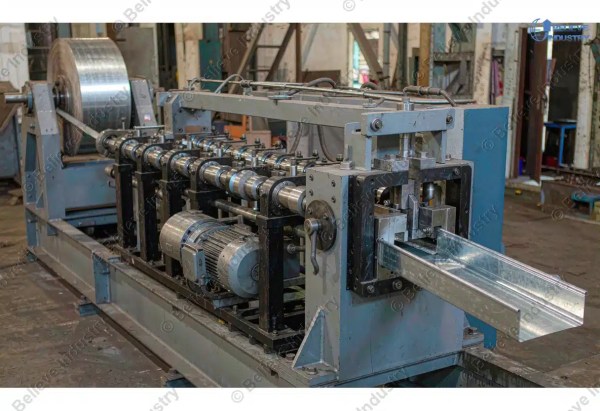
As a leading manufacturer of roll forming machines in China, Beli RollForming has helped hundreds of businesses worldwide produce cable trays and ladders that meet their exact needs. In this guide, we’ll settle the Σχάρα καλωδίων vs σκάλα καλωδίων debate once and for all—with data, examples, and actionable advice to help you decide.
What Is Cable Tray? What Is Cable Ladder? Basic Definitions
Before diving into differences, let’s clarify the core of Σχάρα καλωδίων vs σκάλα καλωδίων:
Συρτάρι καλωδίων
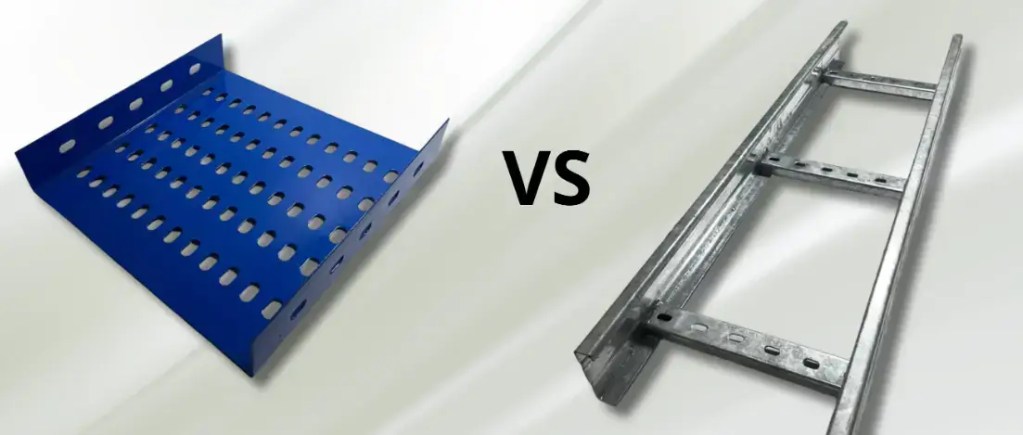
Α cable tray is an open or semi-open support system for electrical cables. It typically features a solid bottom (or perforated panels) and vertical side rails, creating a “tray” that cradles cables. Materials include galvanized steel, aluminum, or stainless steel. Cable trays are popular for indoor use where cable protection and aesthetics matter.
Σκάλα καλωδίων
Α cable ladder is a ladder-style support system with two parallel side rails connected by horizontal rungs. Unlike cable trays, it has no solid bottom—just open space between the rungs. This design prioritizes ventilation and heavy-load capacity. Cable ladders are common in outdoor or high-heat environments (e.g., power plants).
7 Key Differences Between Cable Tray and Cable Ladder
The choice between Σχάρα καλωδίων vs σκάλα καλωδίων hinges on seven core factors. We’ve broken them down head-to-head:
1. Structure & Design
Συρτάρι καλωδίων: Can have a solid, perforated, or ladder-style bottom. Solid bottoms offer maximum cable protection but limit airflow.
Σκάλα καλωδίων: Always open—two side rails + rungs. No solid bottom means 100% ventilation for cables.
2. Ventilation
Συρτάρι καλωδίων: Limited unless perforated. Solid bottoms trap heat—risky for high-power cables.
Σκάλα καλωδίων: Superior airflow. Ideal for cables that generate excess heat (e.g., industrial machinery power lines).
3. Load Capacity
Συρτάρι καλωδίων: Light to medium loads (100–500 lbs per linear foot). Solid bottoms add weight but reduce load tolerance.
Σκάλα καλωδίων: Heavy-duty loads (500–1,000+ lbs per linear foot). Rigid rails and rungs distribute weight evenly.
4. Installation Speed
Συρτάρι καλωδίων: Faster to install. The solid bottom keeps cables in place, reducing routing time.
Σκάλα καλωδίων: Slower. Rungs must be aligned precisely to prevent sagging—critical for long runs.
5. Cost
Συρτάρι καλωδίων: Cheaper to manufacture (less material). Ideal for tight budgets.
Σκάλα καλωδίων: More expensive upfront but saves money long-term for heavy-duty applications (lower maintenance/replacement costs).
6. Maintenance
Συρτάρι καλωδίων: Harder to inspect. Solid bottoms require removing cables to access the base.
Σκάλα καλωδίων: Easier. Inspectors can see cables and components through open rungs—no disassembly needed.
7. Application Suitability
Συρτάρι καλωδίων: Indoor, low-risk environments (offices, data centers, retail stores).
Σκάλα καλωδίων: Outdoor, high-heat, or heavy-load environments (power plants, manufacturing facilities, outdoor substations).
Where to Use Cable Tray vs Cable Ladder: Real-World Applications
Choosing the right system also depends on your project’s location and purpose. Here are common use cases:
Cable Tray Applications
Εμπορικά κτίρια: Offices, hospitals, schools—where cable management and aesthetics matter.
Data Centers: Organizes communication/power cables while maintaining ventilation.
Industrial Control Panels: Protects sensitive cables from dust/damage.
Cable Ladder Applications
Power Plants: Supports heavy generator cables and high-voltage lines.
Outdoor Substations: Withstands rain/snow and prevents heat buildup.
Mining Operations: Rugged enough for underground, corrosive environments.
How to Choose Between Cable Tray or Cable Ladder: A Checklist
Use this guide to make the right call for your project:
Cable Type: Heavy/high-voltage? Choose cable ladder. Low-voltage/communication? Cable tray.
Environment: Outdoor/high-heat? Cable ladder. Indoor/climate-controlled? Cable tray.
Load: Light/medium? Cable tray. Heavy machinery/large bundles? Cable ladder.
Συντήρηση: Need easy inspections? Cable ladder. Prioritize speed? Cable tray.
Budget: Tight? Cable tray. Long-term investment? Cable ladder.
What Does Beli RollForming Do for Cable Tray & Cable Ladder?
As a top roll forming machine manufacturer, Beli RollForming specializes in producing high-quality cable tray and ladder lines for businesses worldwide. Here’s how we support you:
1. Custom Solutions
We build machines to your exact specs—from material (steel/aluminum) to size (length/width/load capacity). Whether you need 100 ft of tray or 10,000 ft of ladder, we deliver.
2. Quality Control
All our machines undergo ISO 9001 and CE certification. We use CNC technology to ensure precision—so you can produce durable, consistent products.
3. Export Expertise
We’ve shipped Cable Tray and Cable Ladder Machines to Russian, Saudi Arabia, US, Turkey, etc. Our team handles customs and logistics to get your equipment on time.
4. Technical Support
From design to installation, we’re here for you. We provide manuals, video tutorials, and on-site training to maximize your machine’s uptime.
Ready to invest in a cable tray or ladder machine? Επαφή Beli RollForming↗︎ σήμερα.
No—cable trays are cheaper upfront. But cable ladders save money long-term for heavy-duty use.
Yes—they’re great for high-heat indoor spaces (e.g., server rooms) where ventilation matters.
Cable ladder—its open design drains water and resists corrosion.
Yes—all cable supports must be grounded per NEC/IEEC standards.
Yes—but perforated cable trays are better for low-voltage comms cables.
Solid-bottom trays: 100–500 lbs/ft. Ladder-style: 500–1,000 lbs/ft.
Some models are (UL 9540A rated)—required for hospitals/schools.
Hire a pro—precision alignment is critical to prevent sagging.
Steel (galvanized/painted) or aluminum. Stainless steel for corrosive environments.
Why Choose Beli RollForming for Cable Tray & Ladder Machines?
Beli RollForming isn’t just another manufacturer—we’re your partner in success. Here’s why clients trust us:
20+ Years of Experience: We’ve refined our designs based on feedback from 500+ businesses.
Προσαρμογή: No one-size-fits-all—we build machines for σαςneeds.
Quality: Every machine is tested twice before shipment.
Παγκόσμια εμβέλεια: We understand international markets and regulations.
Ανταγωνιστική τιμολόγηση: We make premium machines affordable—no hidden fees.
Υποστήριξη: From design to maintenance, we’re here 24/7.
Learn more about our cable tray/ladder machines ή request a quote↗︎.
Final Thoughts: Cable Tray vs Cable Ladder—Make the Smart Choice
ΤοΣχάρα καλωδίων vs σκάλα καλωδίων debate isn’t about “better”—it’s about “better for you.” By weighing factors like load, environment, and budget, you can choose a system that keeps your cables safe, efficient, and long-lasting.
And if you need help producing cable trays or ladders, Beli RollForming is here. As a leading roll forming machine manufacturer, we have the expertise to help you scale your business.
Εξωτερικοί σύνδεσμοι
Products Not Found